
Signs of a pest infestation can often sneak up on us, turning our homes into uninviting spaces without us realizing it. From unwanted noises to peculiar smells, these signs serve as indicators that something is amiss in our living environment. Understanding these early warning signals not only helps in addressing issues promptly but also in maintaining a comfortable and healthy home.
Common signs of pest infestations include droppings, nests, and damaged materials, which can vary depending on the type of pest involved. By being vigilant and recognizing these clues, homeowners can take proactive steps to prevent more significant problems down the line.
Signs of a Pest Infestation
Noticing the signs of a pest infestation early can save homeowners from further damage and costly repairs. Pests can invade homes unnoticed, leading to significant problems if left unchecked. Identifying the indicators of an infestation is crucial in maintaining a safe and healthy living environment.Common signs of a pest problem often include droppings, nests, and even the destruction of materials in the home.
Each of these indicators can provide valuable information about the type of pest present and the extent of the infestation. Homeowners should also pay attention to any unusual odors or sounds that might signal the presence of unwanted guests.
Recognizing Droppings, Nests, and Chewed Materials
Identifying droppings, nests, and chewed materials is essential in detecting pest infestations. These signs vary by pest type but often overlap in appearance and location.
- Droppings: Rodent droppings are typically small, dark pellets, while insect droppings can appear as tiny specks or frass. Observing these around food sources or nesting areas is a clear indication of a rodent or insect presence.
- Nests: Nests can be found in hidden areas like attics, basements, or behind appliances. They may appear as clumps of shredded paper, fabric, or other materials. The shape and size can vary, indicating the particular type of pest.
- Chewed Materials: Chewing marks on wood, furniture, or electrical wiring signal that pests are gnawing their way through your home. This can lead to significant structural damage and potential fire hazards.
Importance of Unusual Odors and Sounds
Unusual odors and sounds often accompany pest infestations and can serve as key indicators of a problem. Recognizing these signs can help in early detection and effective management.
- Odors: A musty or foul smell may indicate a rodent infestation, while a strong, sweet odor can point to a termite presence. These smells arise from the pests themselves or the decay of organic materials they may have invaded.
- Sounds: Noises such as scratching, scurrying, or buzzing can signify active pests. Rodents are often heard at night when they are most active, while insects may create distinct sounds, such as the buzzing of wasps or the rustling of termites.
“Early detection of pest infestations can mitigate damage and reduce the risk of health hazards.”
Types of Pests
Pests are unwelcome visitors that can disrupt the comfort of our homes. Understanding the types of pests that commonly infest homes can help homeowners take proactive measures to prevent and manage infestations. Each category of pest has its own set of characteristics and behaviors that can aid in identification and treatment.A variety of pests can invade your living space, but the most common ones include rodents, insects, and termites.
Knowing how to identify these pests based on their signs is crucial for effective pest control. Below are descriptions of these types of pests along with their distinctive features.
Rodents
Rodents are notorious for their ability to thrive in urban environments, often seeking shelter and food in homes. Common types include mice and rats, which are agile and can squeeze through small openings. Characteristics of rodents include:
- Size: Mice are typically 2.5 to 4 inches long, while rats can range from 9 to 11 inches.
- Physical Traits: Mice have pointed snouts and large ears, whereas rats possess blunt snouts and smaller ears.
- Behavior: Rodents are nocturnal and are often heard scurrying or scratching at night.
Signs of a rodent infestation can include droppings, gnawed materials, and nesting sites, often found in hidden corners of kitchens or attics.
Insects
Insects represent a broad category of pests, including ants, cockroaches, and bedbugs. Each type has unique characteristics that differentiate them.Insect identification can be aided by recognizing the following signs:
- Ants: Look for trails leading to food sources or nests, typically found indoors or outdoors.
- Cockroaches: Signs include droppings shaped like dark specks and a musty odor in the vicinity.
- Bedbugs: Tiny bites on the skin and small blood stains on sheets are common indicators.
Insects often reproduce rapidly, making early detection and treatment essential to prevent larger infestations.
Termites
Termites are known as “silent destroyers” due to their ability to chew through wood, often without being detected until significant damage has occurred. Identifying termites requires attention to:
- Frass: This is termite droppings that resemble sawdust or small pellets.
- Swarmers: Winged termites can be seen during the spring as they leave their colonies to form new ones.
- Damage: Hollow-sounding wood and mud tubes along walls are clear signs of termite presence.
Because termite damage can be extensive and costly, recognizing these signs early can save homeowners significant repairs.
Preventative Measures
Preventing pest infestations is crucial for maintaining a healthy and comfortable home. Implementing effective preventative measures can save homeowners from the stress and expense of dealing with infestations. By focusing on proactive strategies, one can significantly reduce the likelihood of pests making their way into living spaces.Regular maintenance and vigilance are key components in keeping pests at bay. Simple changes in habits and the environment can create a less welcoming atmosphere for unwanted visitors.
Here are some methods that can be effective in preventing pest infestations.
Home Maintenance Checklist
Maintaining a pest-free environment starts with regular home upkeep. A checklist can help homeowners stay on track with essential tasks that deter pests. Consider the following items:
- Seal all cracks and crevices in walls, windows, and doors to eliminate entry points.
- Keep food stored in airtight containers, ensuring there are no open packages lying around.
- Regularly clean kitchen countertops, floors, and dining areas to remove crumbs and spills.
- Dispose of garbage promptly and use pest-proof bins that are tightly sealed.
- Maintain plumbing to prevent leaks and moisture accumulation that attracts pests.
- Inspect and repair roof tiles and gutters to prevent water pooling, which can draw pests.
- Conduct routine inspections of your home for signs of infestation or damage.
Impact of Landscaping and Outdoor Decorations
Landscaping and outdoor decorations can play a significant role in pest control. An inviting exterior can inadvertently attract pests, while a well-maintained yard can deter them. Understanding these dynamics is essential for effective pest prevention.Maintaining a tidy landscape includes proper trimming of bushes and trees, which minimizes hiding spots for pests. Additionally, keeping mulch and wood piles away from the foundation of the house can prevent pests from establishing themselves close to your home.
Here are some tips regarding landscaping:
- Trim shrubs and trees regularly, ensuring they do not touch the building.
- Choose plants that are less attractive to pests, such as marigolds and lavender.
- Keep grass trimmed and remove debris to reduce pest habitats.
- Limit standing water in outdoor decorations or bird baths, as it can attract mosquitoes.
- Use fencing or barriers to create a physical deterrent against larger pests like rodents.
Incorporating these preventative measures can create an environment less conducive to pest infestations. By staying proactive and vigilant, homeowners can enjoy a pest-free living space while minimizing the need for reactive pest control methods.
Pest Control Techniques
Effective pest control techniques are essential for maintaining a pest-free environment in homes and commercial spaces. Various methods are available, ranging from natural solutions to chemical treatments, each suited for different types of infestations. Understanding these techniques helps homeowners make informed decisions on pest management.
Natural Pest Control Methods
Natural pest control methods focus on using non-toxic substances and natural predators to manage pest populations. These methods are often environmentally friendly and safe for households with children and pets. Some common natural pest control techniques include:
- Essential Oils: Oils such as peppermint, lavender, and tea tree oil have insect-repelling properties. Spraying diluted mixtures around entry points can deter pests.
- Diatomaceous Earth: This natural powder is effective against crawling insects like ants and cockroaches. It works by damaging the exoskeleton of insects, leading to dehydration.
- Beneficial Insects: Introducing natural predators, such as ladybugs or predatory wasps, can help control pest populations without chemicals.
- Homemade Traps: Simple traps made from ingredients like vinegar or soap can effectively catch fruit flies and other small insects.
Chemical Pest Control Options
When natural methods are insufficient, chemical pest control options become necessary. These involve using pesticides designed to kill or repel pests. It’s crucial to choose the appropriate type and follow safety guidelines during application. Some common chemical methods include:
- Insecticides: Chemicals specifically formulated to target insects can be sprayed or applied as granules in infested areas.
- Rodenticides: These are specifically used to control rodent populations, often available in bait form to attract and eliminate mice and rats.
- Fumigation: A method used for severe infestations, where structures are sealed, and gas is released to eliminate pests throughout the area.
Comparison of DIY Pest Control versus Professional Services
Choosing between DIY pest control methods and professional services depends on the severity of the infestation and the homeowner’s comfort level.
- DIY Pest Control: This approach can be cost-effective and empowering. Homeowners can use readily available products and techniques to manage minor infestations. However, it may require significant trial and error, and some methods may be less effective against stubborn pests.
- Professional Pest Control: Hiring experts ensures access to advanced techniques and products that may not be available to consumers. Professionals can quickly assess the situation and implement comprehensive strategies tailored to the specific pest issue. The downside is the cost, which can be higher than DIY methods.
Importance of Regular Inspections and Treatments
Regular inspections and treatments are crucial for preventing infestations from becoming larger issues. Proactive pest management allows homeowners to identify early signs of pests, enabling timely intervention.
“Regular pest inspections can save homeowners from costly damages and prolonged infestations.”
Routine checks can help in:
- Early Detection: Spotting pest problems before they escalate can save time and money.
- Preventive Measures: Ongoing treatment programs can help deter pests from returning, ensuring long-term solutions.
- Peace of Mind: Regular professional inspections provide reassurance that homes are protected against potential infestations.
Interior Design and Pest Control
Interior design plays a key role in the overall atmosphere of a home, but it also has significant implications for pest control. A well-thought-out design can help deter unwanted pests, while certain choices can inadvertently attract them. Understanding the relationship between your interior decor and pest presence is essential for creating a comfortable and pest-free living environment.Certain materials and design choices can influence pest attraction, so it’s crucial to select items carefully.
Pests are naturally drawn to specific environments, and by identifying and utilizing pest-resistant materials, homeowners can minimize the risk of infestations. Additionally, lighting plays an important role in either attracting or repelling pests, making it a critical consideration in interior design.
Pest-Resistant Materials and Fabrics
Choosing the right materials and fabrics for interior decorating can help deter pests effectively. Some options include:
- Leather and Faux Leather: These materials are less hospitable to pests like bedbugs and dust mites compared to traditional fabrics.
- Microfiber: This tightly woven fabric is resistant to pest infiltration and is easy to clean, reducing the likelihood of pest attraction.
- Metal and Hardwoods: Furniture made from metal or solid hardwood is often less susceptible to damage from pests like termites compared to softer woods.
- Washable Fabrics: Choosing fabrics that can be easily washed and sanitized helps eliminate any potential pest eggs or larvae.
Using these materials not only enhances the aesthetic appeal of your space but also contributes to pest resistance.
Home Lighting and Pest Deterrence
The type and placement of lighting in a home play a significant role in pest control. Certain lighting choices can either attract or repel unwanted insects. For instance, bright white bulbs or those emitting UV light tend to attract a variety of pests, such as moths and flies. To mitigate this, consider the following approaches:
- Use Yellow Bug Lights: These bulbs are less attractive to insects and can significantly reduce pest activity around outdoor spaces.
- Strategic Placement: Position lights away from entry points, such as doors and windows, to minimize the attraction of pests into the home.
- Dimmer Switches: Implementing dimmable lights allows for more control over indoor lighting levels, making it less inviting for invasive pests.
By thoughtfully designing your lighting setup, you can create a more pest-resistant environment while maintaining an inviting atmosphere.
“Effective interior design not only beautifies your home but also serves as a barrier against unwanted pests.”
Kitchen Improvements for Pest Prevention
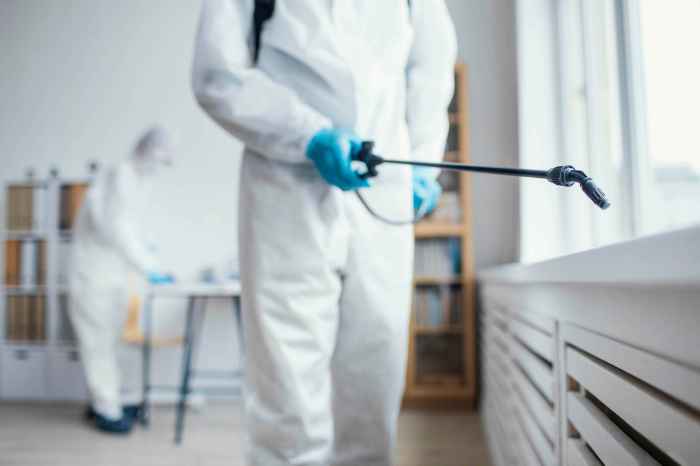
A well-designed kitchen not only enhances the cooking experience but also plays a crucial role in pest prevention. By implementing specific improvements in kitchen design and maintenance routines, you can significantly reduce the chances of attracting unwanted pests. Here are some essential aspects to consider for creating a pest-free kitchen environment.
Kitchen Design Features That Deter Pests
Incorporating specific design features in your kitchen can minimize pest access. These design choices make it more challenging for pests to enter and settle in your cooking area.
- Sealed Gaps and Cracks: Inspect and seal any gaps or cracks in walls, countertops, and around pipes. This prevents pests from finding easy entry points into your kitchen.
- Use of Pest-Resistant Materials: Opt for materials like stainless steel or sealed wood for cabinetry and countertops, as they are less appealing for pests compared to porous materials.
- Elevated Storage: Store food items and supplies on elevated shelves. This not only protects them from pests but also makes it harder for them to reach these areas.
Proper Food Storage to Prevent Attraction
Proper food storage is essential in reducing the likelihood of pest attraction in your kitchen. Food items left out or improperly stored can serve as a buffet for pests.
- Sealed Containers: Use airtight containers for all food items, particularly dry goods like grains, flour, and sugar. This prevents pests such as ants and weevils from accessing these foods.
- Refrigeration: Store perishable items in the refrigerator as soon as possible. Ensure that leftovers are also covered or stored in sealed containers.
- Regular Inventory Checks: Frequently check your pantry for expired items and dispose of them immediately. Pests are attracted to decaying food products.
Cleaning Routines for a Pest-Free Environment
Maintaining a rigorous cleaning routine is critical to keeping your kitchen pest-free. Regular cleaning can remove potential food sources and nesting sites for pests.
- Daily Cleaning: Wipe down countertops, tables, and other surfaces daily to remove crumbs and spills. Make this a non-negotiable part of your kitchen routine.
- Floor Maintenance: Sweep and mop floors regularly. Pests often target areas where food debris accumulates, so keeping floors clean can deter them.
- Proper Disposal Practices: Ensure trash bins are sealed and emptied regularly. Use bins with tight-fitting lids to prevent pests from being attracted to waste.
Landscaping Outdoor Decorating
Creating a pest-free outdoor environment requires thoughtful landscaping practices. By strategically designing your outdoor space, you can significantly reduce areas where pests thrive. Elements such as plant selection, layout, and the use of outdoor decorations play a critical role in determining whether your yard attracts or deters unwanted pests.The relationship between outdoor decorations and pest attraction is often overlooked. Decorative items can provide hiding spots or nesting opportunities for pests, making your garden a welcoming environment for them.
Therefore, it is essential to consider the types of decorations you use and how they may impact pest presence in your landscape.
Landscaping Practices that Reduce Pest Habitats
Implementing effective landscaping practices can minimize pest habitats and improve the overall health of your outdoor space. Here are some key strategies to consider:
- Maintain Cleanliness: Regularly clear debris, fallen leaves, and standing water, as these can attract pests and provide breeding grounds.
- Use Mulch Wisely: While mulch can enhance plant growth, it can also harbor pests if it is too thick. Opt for coarse mulch and keep it at least a few inches away from plant stems.
- Design for Airflow: Arrange plants to ensure good airflow, which discourages fungal growth and creates an environment less conducive to pests.
- Limit Dense Shrubs: Dense shrubs provide shelter for pests. Prune them regularly to maintain an open structure and enhance visibility.
- Install Barriers: Use physical barriers such as fencing, netting, or traps to keep pests away from your plants.
Choosing Plants that Repel Common Pests
Selecting the right plants can act as a natural repellent against common pests. Certain plants possess properties that deter insects while enhancing your garden’s aesthetics. Here are some effective options:
- Lavender: This fragrant herb repels mosquitoes and flies due to its strong scent.
- Marigolds: Known for their vibrant colors, marigolds emit a scent that deters aphids and nematodes.
- Basil: Besides being a culinary favorite, basil repels flies and mosquitoes.
- Mint: The strong aroma of mint can keep ants, spiders, and mosquitoes at bay.
- Rosemary: This hardy herb not only enhances dishes but also repels beetles and other pests.
Home Painting and Pest Control
Regular painting is not just about refreshing the look of your home; it can also play a significant role in pest control. A fresh coat of paint can help seal off entry points that pests might use to infiltrate your living space. Additionally, the choice of paint can act as a deterrent to certain pests, making your home less inviting to unwanted guests.Using paint as a barrier against pests involves applying a quality sealant on surfaces that may be vulnerable, such as wood and window frames.
This practice creates a more resilient surface that pests find difficult to penetrate. Moreover, certain types of paint come infused with pest-repelling properties, which can be an added layer of defense.
Types of Paint that Deter Pests
Choosing the right type of paint can significantly impact pest control efforts. Some paints contain additives designed to repel pests, making them an effective choice for various areas of your home. Consider the following paint types for pest prevention:
- Insect-Repellent Paints: These paints contain natural oils or chemicals that deter insects. For example, paints with citronella or neem oil are known for their pest-repelling properties.
- Mildew-Resistant Paints: Applying mildew-resistant paints in moist areas, such as bathrooms and kitchens, can prevent mold growth, which in turn deters pests like silverfish.
- Oil-Based Paints: Oil-based paints create a thicker, more durable barrier compared to latex paints, making it harder for pests to penetrate surfaces.
Inspecting for signs of pests during painting projects is essential, as it allows homeowners to address potential infestations before they escalate. When preparing to paint, take the opportunity to check areas that may be prone to pest activity. Here are some key considerations for inspection:
- Look for Damage: Inspect wood structures for signs of chewing or tunneling, which may indicate termite activity. Holes in the walls or ceilings should be addressed promptly.
- Check for Droppings: Pest droppings can often be found in hidden areas. Look for these signs in corners, under furniture, and around baseboards.
- Assess Entry Points: During your inspection, identify cracks or gaps in walls, around windows, and near doors. Sealing these openings with caulk or appropriate materials can prevent pest entry.
Regular home painting combined with vigilant inspection can create a more pest-resistant environment, ultimately enhancing the comfort and safety of your home.
Home Remodeling and Pest Prevention
Home remodeling offers a unique opportunity to incorporate pest prevention strategies into your living space. By considering these strategies during renovations, homeowners can create a barrier against pests and enhance the overall longevity and comfort of their homes. Implementing pest-proofing techniques not only reduces the chances of infestations but also improves the value of your property.When planning a remodel, selecting the right building materials can significantly contribute to pest resistance.
Certain materials are naturally less appealing to pests or engineered to resist infestations. Integrating these materials into your renovation plans helps create a protective barrier.
Building Materials Resistant to Pests
Choosing the right materials is crucial in pest prevention during home remodeling. Some materials are particularly effective in deterring pests:
- Cement Board: Unlike wood, cement board is not susceptible to termites and other wood-boring insects, making it an excellent choice for siding and backing in wet areas.
- Fiber Cement Siding: This material combines cement and cellulose fibers, providing a durable, pest-resistant exterior that stands up well against moisture and pests.
- Vinyl Flooring: Vinyl is less attractive to pests when compared to natural wood or carpet. Its seamless surface makes it harder for pests to nest.
- Metal Framing: Using metal instead of traditional wood framing ensures that your structure remains free from wood-destroying pests.
- Treated Lumber: When using wood, opt for pressure-treated lumber that has been infused with chemicals to deter termites and other wood pests.
Pest-Proofing Techniques During Renovations
Incorporating pest-proofing techniques during your renovation can prevent future infestations. These techniques focus on both structural changes and design choices.
- Sealing Gaps and Cracks: Inspect and seal any gaps around windows, doors, and the foundation. This effectively blocks entry points for pests.
- Installing Screens: Use fine mesh screens on windows and vents to prevent insects from entering while allowing air circulation.
- Elevating Structures: Ensure that wooden structures, such as decks and porches, are elevated to allow airflow underneath and minimize moisture accumulation.
- Using Insect-Repelling Plants: Incorporate plants like citronella and lavender into your landscaping, as they can naturally deter insects.
- Creating Drainage Solutions: Design proper drainage systems around your home to eliminate standing water, reducing the likelihood of attracting mosquitoes and other pests.
“An ounce of prevention is worth a pound of cure.” This adage rings especially true when it comes to pest control and home remodeling.
Integrating pest prevention strategies into your home remodeling project not only enhances your living space but also safeguards it from troublesome infestations. Thoughtful material choices and proactive pest-proofing techniques can contribute significantly to a pest-free environment.
Home Plumbing and Pest Issues
Proper home plumbing is crucial not just for water management but also for preventing pest infestations. Plumbing problems can create a conducive environment for various pests, making it important to understand their connection and maintain your plumbing systems effectively.Leaky pipes and faulty plumbing can lead to moisture accumulation, which attracts pests such as cockroaches, ants, and even rodents. These pests thrive in damp environments, and a small leak can quickly escalate into a larger problem, providing a breeding ground and easy access to food sources.
Recognizing the signs of plumbing leaks and addressing them promptly can significantly reduce the risk of pest infestations in your home.
Signs of Plumbing Leaks
Identifying plumbing leaks early can help prevent pest problems. Here are common signs to look out for:
- Water stains on walls or ceilings: These can indicate leaks within the plumbing system.
- Unpleasant odors: Persistent dampness can lead to mold growth, creating a musty smell that attracts pests.
- Increased water bills: A sudden spike in your water bill may suggest an unnoticed leak.
- Pooling water: The presence of standing water near plumbing fixtures is a clear indicator of leaks.
- Condensation on pipes: Excess moisture on pipe surfaces can signal a leak or inadequate insulation.
Preventative Plumbing Maintenance
Regular plumbing maintenance is essential for preventing pest issues. Implementing these practices can help you keep your plumbing system in top shape:
- Regularly inspect pipes for signs of wear or leaks, especially in areas prone to moisture.
- Seal any gaps or cracks around plumbing fixtures to keep pests from entering.
- Clear debris from gutters and downspouts to prevent water accumulation near the foundation.
- Ensure proper drainage in sinks and tubs to prevent stagnant water.
- Install water detectors near water heaters and under sinks to catch leaks early.
Incorporating these preventative measures not only prolongs the lifespan of your plumbing but also creates a less inviting environment for pests, minimizing potential infestations in your home.
New Construction and Pest Control
When embarking on new construction, integrating pest control measures from the outset is crucial for safeguarding the property. Proactive planning can significantly reduce the risk of infestations, ensuring a healthier and more secure living environment. By adopting pest-resistant practices and making informed choices regarding materials and site selection, homeowners can enjoy peace of mind long after the construction is complete.Effective pest prevention in new construction begins with the right building practices and materials.
The goal is to create a structure that minimizes vulnerabilities to pests while maximizing durability and comfort. By focusing on pest-resistant strategies during the building phase, you set the stage for long-term protection against unwanted intruders.
Pest-Resistant Building Practices
Implementing pest-resistant building practices is vital for new constructions. These practices include using materials that deter pests and strategically designing the structure to prevent infestations. Here are key measures to consider:
- Termite-Resistant Materials: Use treated wood for framing, sheathing, and deck elements to resist termite attacks. Concrete and steel are also excellent alternatives for crucial structural components.
- Weather-Resistant Barriers: Install barriers such as house wraps and vapor barriers to prevent moisture accumulation, a common attractant for pests like mold and wood-boring insects.
- Sealing Openings: Ensure that all gaps, cracks, and openings in the foundation, walls, and roofing are properly sealed to prevent entry points for rodents and insects.
- Proper Drainage: Design landscaping and drainage systems that direct water away from the foundation to avoid creating damp environments that attract pests.
Importance of Site Selection
Choosing the right site for construction plays a significant role in pest control. Areas with high moisture levels, dense vegetation, or nearby water sources can be more prone to pest problems. Additionally, understanding local pest trends can help guide site selection decisions. Factors to consider include:
- Soil Type: Sandy soils promote good drainage, reducing moisture and pest attraction compared to clay soils, which can retain water and foster pest activity.
- Proximity to Pest Habitats: Avoid building close to areas known for pest infestations, such as wooded regions or frequently flooded areas.
- Sunlight Exposure: Ensure that the site receives adequate sunlight, as bright areas tend to be less appealing to many pests.
Use of Construction Materials and Pest Control
The selection of construction materials can significantly impact pest control efforts. Materials that are naturally resistant to pests or treated for durability can enhance protection. Key considerations include:
- Non-Cellulose Insulation: Use insulation materials that do not provide food sources for pests, such as fiberglass or mineral wool, rather than cellulose-based options.
- Metal and Composite Materials: Incorporate metal or composite materials for roofing and siding, which are less hospitable to pests compared to traditional wood.
- Paints and Sealants: Opt for paints and sealants with pest-repellent properties to further deter insects and rodents.
“Investing in pest-resistant building practices during new construction can lead to significant savings in pest control costs over time.”
Patio Deck and Pest Management
Pest management on outdoor spaces like patios and decks is crucial for enjoying a pleasant and safe environment. These areas often attract a variety of pests due to their proximity to nature and the potential for food sources. Understanding the common pest issues and implementing effective design and maintenance strategies can significantly enhance your outdoor experience.Pests such as ants, mosquitoes, termites, and wasps frequently invade patios and decks.
These nuisances can not only disrupt outdoor gatherings but also pose health risks and property damage. Identifying these pests and their breeding grounds is the first step in effective pest management. The design of your patio can be tailored to minimize pest attraction, which greatly aids in creating a comfortable outdoor living space.
Common Pest Issues on Patios and Decks
A variety of pests can infiltrate patios and decks, often finding refuge and resources in these inviting environments. Below are some common pests associated with outdoor spaces:
- Ants: Often attracted to food spills and crumbs, they can create large colonies near your patio.
- Mosquitoes: Breeding in stagnant water, they can turn a relaxing evening into a nightmare.
- Termites: Particularly dangerous, they can damage wooden structures if left unchecked.
- Wasps: Nests can be built in eaves or under deck furniture, posing stinging hazards.
- Flies: Attracted to food and waste, they can quickly become a nuisance.
Design Ideas to Minimize Pest Attraction
Implementing thoughtful design can significantly reduce pest attraction. Here are some effective ideas to consider:
- Choose pest-resistant materials: Opt for composite decking or treated wood that is less appealing to termites and other pests.
- Incorporate natural repellents: Planting herbs like lavender and mint can deter mosquitoes and other flying insects.
- Install screens: Adding screen enclosures or mesh around patios can help keep pests out without sacrificing airflow.
- Use lighting wisely: Choose yellow or sodium vapor lights which attract fewer insects than traditional white bulbs.
- Design with drainage in mind: Ensure there are no areas where water can pool, as standing water is a breeding ground for mosquitoes.
Maintenance Tips for Keeping Patios Pest-Free
Regular maintenance is imperative for ensuring that your patio remains a pest-free zone. Below are essential maintenance practices to consider:
- Regular cleaning: Sweep and clean up food debris, leaves, and spills to eliminate potential food sources.
- Inspect for damage: Regularly check for cracks or holes in decking and furniture that could serve as entry points for pests.
- Trim vegetation: Keep shrubs and trees trimmed to prevent them from touching the patio and providing pathways for insects.
- Store cushions properly: When not in use, store outdoor cushions and pillows in sealed containers to prevent pests from nesting.
- Apply pest control products: Consider using eco-friendly pesticides or natural deterrents to further protect your patio without harming the environment.
Final Wrap-Up
In conclusion, being aware of the signs of a pest infestation is crucial for maintaining a pest-free home. By recognizing the indicators early and implementing preventive measures, you can effectively safeguard your living spaces. Remember, a little vigilance goes a long way in ensuring your home remains a sanctuary, free from unwanted guests.
Commonly Asked Questions
What are the most common signs of a pest infestation?
Common signs include droppings, nests, chewed materials, and unusual odors.
How can I identify the type of pest in my home?
Look for specific signs like pest droppings, damage to property, and the type of nests they create.
Are there any natural methods to prevent pest infestations?
Yes, maintaining cleanliness, sealing entry points, and using natural repellents can help deter pests.
How often should I inspect my home for pests?
Regular inspections are advised at least every few months, especially in areas prone to infestations.
What should I do if I find signs of pests in my home?
Take immediate action by cleaning the area, identifying the pest, and considering pest control options.


