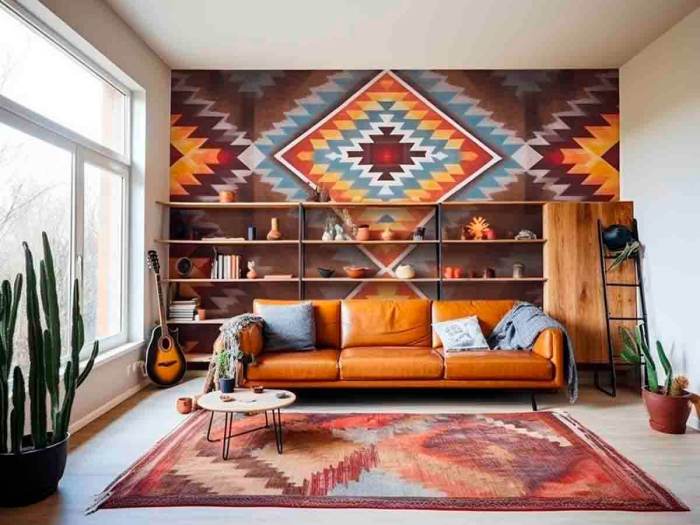
Accent wall design ideas bring an exciting twist to interior spaces, transforming plain walls into striking focal points that reflect your personal style. By strategically using colors, textures, and materials, you can enhance the aesthetic of any room, making it both inviting and unique.
From the basics of what an accent wall is to popular styles and material choices, this guide will walk you through creative options that suit various tastes and functional needs. Whether you’re considering a bold geometric pattern in your living room or a subtle wood paneling in your office, there’s an array of ideas waiting to inspire your next home improvement project.
Accent Wall Basics
An accent wall serves as a focal point in a room, drawing attention to a specific area and enhancing the overall aesthetic of the space. By using contrasting colors, patterns, or materials, accent walls add depth and character to interior design, allowing for personal expression and style. They can transform a dull room into a vibrant environment, making them a popular choice for homeowners and designers alike.Various materials can be utilized for creating accent walls, each offering their unique charm and texture.
The choice of material can significantly influence the mood and style of the room. Here are some common materials used for accent walls:
Materials for Accent Walls
The selection of materials plays a crucial role in defining the ambiance and design of your accent wall. Different materials can evoke different feelings and styles, making it essential to choose wisely based on the overall design theme of the space.
- Paint: A versatile and cost-effective option, paint allows for a wide range of colors and finishes, from matte to glossy. Bold colors like deep blues or rich reds are often chosen to create striking contrasts.
- Wallpaper: Available in countless designs, wallpaper can add intricate patterns and textures. Textured wallpaper, such as grasscloth or vinyl, can provide depth while maintaining a cohesive look.
- Wood: Wood accent walls bring warmth and a natural element to any space. Reclaimed wood or shiplap boards can create a rustic feel, while sleek, modern planks can elevate contemporary designs.
- Stone: Stone walls exude solidity and elegance. Options like stacked stone or natural stone veneer can create a dramatic impact, especially in living rooms or entryways.
The choice of colors and patterns for accent walls can greatly influence the atmosphere of a room. Certain colors can enhance perceived space, while patterns can introduce visual interest.
Colors and Patterns in Accent Walls
Understanding popular colors and patterns can assist in making an informed decision that aligns with your design vision. Certain trends have emerged in accent wall designs, which resonate with various styles and preferences.
- Bold Colors: Shades like emerald green, navy blue, and charcoal grey are frequently utilized for their dramatic impact. These colors can create a sophisticated backdrop for furniture and decor.
- Neutral Tones: Soft neutrals, such as beige, taupe, or soft grey, are often chosen for a calm and serene environment, allowing art and furnishings to stand out.
- Geometric Patterns: Patterns like chevrons or stripes create a sense of movement and modernity. These designs can make small spaces feel larger and more dynamic.
- Floral or Nature-Inspired Patterns: Such patterns can bring the outdoors in, adding a touch of whimsy and charm to spaces. They work well in bedrooms or cozy reading nooks.
Creating an accent wall is about finding a balance between making a statement and complementing the rest of the room.
The strategic use of accent walls can redefine spaces and provide homeowners with an opportunity to express their style in meaningful ways. A well-thought-out accent wall enhances the character of a room, making it feel more inviting and personalized.
Popular Accent Wall Styles
Accent walls add depth and character to any room, creating a focal point that enhances the overall aesthetic of your living space. With a variety of designs to choose from, selecting the right accent wall style can dramatically influence the ambiance of a room. From modern geometric patterns to classic murals, understanding these popular styles will help you find the perfect fit for your interior design theme.Geometric designs are a favorite choice among homeowners looking to add a contemporary edge to their interiors.
These patterns can range from simple shapes to intricate designs, often created using paint or wallpaper. Murals, on the other hand, offer a chance to tell a story or create a specific atmosphere, whether it’s a serene landscape or a vibrant urban scene. Texture variations, such as wood paneling or brick, bring a tactile element to your walls, inviting a sense of warmth and depth into the space.
Below are some popular styles and their compatibility with different design themes.
Geometric Designs
Geometric accent walls bring a modern feel to any space and can complement minimalist, industrial, or even eclectic themes. Here are some notable attributes:
- Simple triangular or square patterns create a clean and structured look, which harmonizes well with modern decor.
- Complex designs, such as hexagons or chevrons, can add a playful touch, ideal for eclectic or bohemian interiors.
- Colorful geometric patterns serve as a bold statement, perfect for contemporary or youthful spaces.
Murals
Murals can transform a room into a thematic experience, making them suitable for various styles. They can be tailored to suit different interior themes effectively:
- A nature-themed mural works beautifully in a rustic or farmhouse style, bringing the outdoors inside.
- Urban landscapes or abstract designs can enhance modern and industrial themes, giving depth to a living area.
- Children’s rooms can be enlivened with playful, whimsical murals that promote creativity and imagination.
Texture Variations
Texture variations introduce a unique dimension to accent walls, making them a popular choice for those looking to enhance their decor with tactile elements. Here are common textures and their thematic compatibility:
- Wood paneling offers a warm, cozy feel, ideal for rustic, farmhouse, or coastal themes.
- Brick or stone can create an industrial vibe, enhancing urban lofts or modern spaces.
- Fabric-covered walls lend softness and comfort, fitting perfectly in traditional, vintage, or romantic styles.
Choosing the Right Style for Your Room
Selecting the perfect accent wall style involves evaluating the room’s purpose, existing decor, and desired mood. Here are key considerations:
- Assess the room’s natural light; lighter colors can brighten up darker spaces, while darker tones can create a cozy atmosphere.
- Consider the existing color palette; choose patterns or textures that harmonize with your current furnishings.
- Think about the function of the space—an energizing pattern might work well in a home office, while calming textures are better suited for a bedroom.
Room-Specific Accent Wall Ideas
Creating a distinctive accent wall tailored to specific rooms can dramatically enhance the ambiance and functionality of your space. This approach allows you to express personal style while catering to the unique needs of each room. From the vibrant energy of living rooms to the calming retreat of bedrooms, accent walls can play a pivotal role in setting the tone.When selecting colors and patterns for accent walls, consider the purpose of the room and the mood you wish to evoke.
For instance, lively colors may be ideal for social spaces while softer tones can create a serene environment in bedrooms. Here’s a look at some tailored ideas for different areas of your home:
Living Room Ideas
The living room is often the heart of your home, a space for gathering and entertaining. An accent wall here should reflect warmth and comfort. Consider the following ideas:
- Bold Color Block: Choose a vibrant hue like deep teal or mustard yellow to create a lively focal point.
- Textured Panels: Add dimension with wood or stone panels that draw the eye and add a rustic charm.
- Gallery Wall: Frame a collection of art pieces or family photos to personalize the space and spark conversation.
Bedroom Ideas
The bedroom is a sanctuary, and your accent wall should promote relaxation. Here are some thoughtful ideas:
- Soft Pastels: Use gentle colors like blush pink or baby blue to create a soothing atmosphere.
- Wallpaper with Patterns: Floral or geometric prints can transform a wall into a chic backdrop without overwhelming the decor.
- Headboard Feature: Paint or wallpaper the wall behind the headboard to create an instant focal point that enhances the bed’s prominence.
Office Ideas
An office space requires a balance of professionalism and inspiration. Consider these options for an accent wall:
- Motivational Quotes: Paint a motivational quote in a stylish font to inspire creativity and productivity.
- Neutral Tones with Pops of Color: A soft gray wall accented with a bright orange stripe can energize the workspace without being distracting.
- Functional Wall Art: Arrange a corkboard or chalkboard wall for a practical yet artistic approach to keep ideas flowing.
Integrating accent walls in smaller spaces can maximize impact and create the illusion of depth. Use lighter colors to open up tight areas, or choose a dark accent wall with bright decor to create contrast. Mirrors can also be a great addition; they reflect light and enhance the visual space.
“In smaller rooms, the right accent wall can transform the space, making it feel larger and more inviting.”
By tailoring your accent wall choices to the specific needs and moods of each room, you can ensure that each space reflects your personal style while serving its intended purpose effectively.
DIY Accent Wall Projects
Creating a DIY accent wall project can be an exciting endeavor that transforms the look and feel of a room. Whether you prefer the rustic charm of wood planks or the versatility of removable wallpaper, these projects allow for personal expression and creativity in your space. Here’s a closer look at how to execute these accent wall ideas safely and effectively.
Creating a DIY Wood Plank Accent Wall
A wood plank accent wall adds warmth and texture to any room. The following steps will guide you through the process of installing your own wood plank accent wall:
1. Choose Your Wood
Select the type of wood you prefer, such as pine, cedar, or reclaimed wood. Pine is often more affordable and easy to work with, while reclaimed wood can add character.
2. Measure the Wall
Accurately measure the wall where you want to install the wood planks. Calculate the number of planks needed based on their width and the wall dimensions.
3. Prepare the Wall
Ensure the wall is clean and free of any nails or debris. If needed, apply a coat of primer.
4. Cut the Planks
Use a miter saw to cut the planks to your desired lengths. Make sure the cuts are straight for a clean finish.
5. Attach the Planks
Start at the bottom and use a level to ensure each plank is straight. Attach the planks to the wall using a brad nailer or adhesive, securing them into the studs whenever possible.
6. Finish the Edges
Once all planks are installed, trim any edges with molding for a polished look. Sand down any rough spots and apply a finish or stain if desired.
7. Clean Up
Remove any sawdust and debris to reveal your beautiful new accent wall.
Applying Removable Wallpaper as an Accent Wall Solution
Removable wallpaper offers a quick and easy way to enhance a wall without permanent commitment. Here are the techniques to apply it effectively:
Select Quality Wallpaper
Choose removable wallpaper that fits your style. Look for high-quality options that are easy to apply and remove.
Prepare the Wall
Clean the wall thoroughly to remove dust and grease. This ensures better adhesion of the wallpaper.
Measure and Cut
Measure the height of the wall and cut the wallpaper accordingly, allowing extra for trimming at the edges.
Apply the Wallpaper
Start from one corner and peel off the backing gradually while smoothing the wallpaper onto the wall with a squeegee. Work from the center outwards to eliminate air bubbles.
Trim the Edges
Use a sharp utility knife to trim any excess wallpaper at the edges for a neat finish.
Smooth Out Bubbles
If any bubbles remain, gently lift the wallpaper and re-smooth it or use a pin to release the air.
Remove and Reapply if Necessary
If the alignment is off, the wallpaper can be lifted and repositioned without damage to the wall.
Safety Precautions and Tools Required for Accent Wall Construction
Taking safety precautions is crucial during any DIY project. Ensure you have the right tools and follow safety guidelines to avoid accidents:
Safety Gear
Always wear safety goggles and a dust mask when cutting wood or handling materials to protect your eyes and lungs.
Tools Required
For Wood Plank Walls
Miter saw for cutting
Level for ensuring straightness
Brad nailer or hammer and nails
Tape measure
Sander for smoothing edges
For Wallpaper Application
Utility knife for trimming
Squeegee for smoothing
Straight edge for measuring and cutting
Ladder for reaching higher walls
Working Environment
Ensure your workspace is well-ventilated, especially when working with adhesives or paints.
Electrical Precautions
If you need to work near outlets, turn off the power to avoid any accidents.
By following these steps and safety measures, you can successfully create a stunning DIY accent wall that elevates your home’s aesthetic in no time.
Interior Design and Decorating
Accent walls play a pivotal role in enhancing the overall aesthetic and functionality of interior spaces. By drawing attention to specific areas, they create a focal point that can harmonize with the room’s design philosophy. The strategic use of color, texture, and pattern allows accent walls to not only define spaces but also to influence the mood and perception of a room.The relationship between accent walls and furniture arrangement is significant.
An accent wall can guide the placement of furniture, enabling a more cohesive layout. When designed thoughtfully, it can complement the size, shape, and color of the furnishings, ensuring that every element in the room works together seamlessly. For instance, a bold-colored accent wall can provide contrast against neutral furniture, making the furnishings stand out while maintaining a balanced visual hierarchy.
Examples of Professionally Designed Accent Wall Installations
In the realm of professional interior design, accent walls are often employed to elevate the overall design narrative. Here are a few examples of how accent walls have been creatively integrated into various spaces:
- Living Rooms: A deep navy blue or emerald green accent wall can create a sophisticated backdrop for a modern sectional sofa. In a professionally designed living room, designers often use textured wallpaper or wood paneling to add depth, complementing the sleek lines of contemporary furniture.
- Bedrooms: A soft, pastel accent wall behind the bed can enhance tranquility and promote relaxation. Designers frequently opt for subtle patterns that complement bedding and curtains, creating a serene, cohesive retreat.
- Offices: A bold red or vibrant yellow accent wall can stimulate creativity in a home office. Designers often pair these walls with minimalist furniture to maintain a professional yet energetic environment.
- Dining Areas: Textured stone or brick walls serve as a rustic accent in dining spaces, harmonizing with wooden tables and chairs. In professionally designed dining spaces, these walls can create an inviting atmosphere conducive to gatherings.
- Bathrooms: An accent wall featuring decorative tiles or bold paint can serve as a stunning focal point in a bathroom, drawing attention to features like a freestanding tub or a stylish vanity. Designers often use these elements to enhance the sense of luxury and spa-like tranquility.
Accent walls not only beautify a space but also enhance furniture arrangement and overall design strategy.
Kitchen Improvements
Creating an accent wall in the kitchen can redefine the space, adding character and style. Accent walls can act as a focal point, drawing attention to specific areas while enhancing the overall aesthetic. This approach not only makes the kitchen visually appealing but also reflects personal taste and design preferences.The impact of accent walls in kitchens extends beyond mere decoration; they influence visibility and ambiance, making spaces feel larger or cozier based on the chosen colors and materials.
A well-designed accent wall can create a harmonious balance with existing fixtures, ensuring that the kitchen remains functional while being stylish.
Accent Wall Ideas for Kitchens
Several accent wall ideas can transform your kitchen into a more vibrant and inviting space. The selection of materials and designs plays a vital role in achieving the desired effect. Here are some popular ideas to consider:
- Tile Patterns: Using colorful or patterned tiles as an accent wall not only adds texture but also creates a stunning visual impact. Consider using subway tiles in a bold color or decorative ceramic tiles that match your kitchen theme.
- Open Shelving: Installing open shelves on one wall can serve both functionality and aesthetics. Displaying vibrant dishware or potted herbs can create an engaging focal point while keeping items accessible.
- Painted Accent Walls: A simple yet effective approach is to paint one wall in a contrasting color. Deep shades like navy blue or forest green can add depth, while lighter pastels can create a fresh, airy feel.
- Wood Paneling: Adding wooden panels can bring warmth and texture to your kitchen. Choose reclaimed wood for a rustic look or smooth, painted panels for a more contemporary style.
- Chalkboard Paint: A fun and functional option is to use chalkboard paint on an accent wall. This allows for creative expressions and can serve as a space for notes and recipes.
Maintaining visual balance between accent walls and kitchen fixtures is essential to achieving a cohesive look. Consider the following tips:
- Color Coordination: Ensure that the colors of the accent wall harmonize with cabinetry, countertops, and appliances. This alignment creates a unified aesthetic.
- Proportion and Scale: The size of the accent wall should be proportionate to the kitchen’s overall dimensions. A large wall may benefit from a bolder design, while smaller spaces might require subtle accents.
- Consistent Materials: If using materials like tiles or wood, ensure they are consistent in style with other elements in the kitchen, such as cabinetry or flooring.
- Lighting Considerations: Proper lighting can enhance the effect of the accent wall. Consider pendant lights or under-cabinet lighting that highlights the wall without overpowering other elements.
Accent walls in the kitchen can create a dynamic space that is both functional and visually appealing.
Landscaping Outdoor Decorating
Creating accent walls in outdoor spaces can significantly enhance the overall aesthetic of your patio, garden, or backyard. These standout features not only provide visual interest but also define particular areas within your outdoor environment. By selecting the right materials and integrating landscaping elements, you can create a cohesive and inviting outdoor area that reflects your personal style.In outdoor settings, accent walls can be constructed using a variety of materials that complement and enhance the natural environment.
When planning your outdoor accent wall, consider how the wall will interact with other landscaping features, such as plants, furniture, and pathways. A well-designed outdoor accent wall can serve as a backdrop for lush greenery or a focal point for outdoor gatherings.
Natural Materials for Outdoor Accent Walls
When it comes to choosing materials for your outdoor accent wall, natural elements often work best. These materials blend seamlessly with the surrounding landscape and can create a harmonious atmosphere. Here are some popular options:
- Wood: Treated wood can provide a warm, rustic look. Options like cedar or redwood are durable and weather-resistant, making them suitable for outdoor use.
- Stone: Natural stone walls offer a timeless elegance. Whether you choose smooth river rocks or rough-hewn boulders, stone adds texture and strength to your design.
- Brick: Classic and versatile, brick can be used to create a traditional or modern aesthetic. Its durability and low maintenance make it a practical choice for outdoor spaces.
- Metal: Corrugated metal or corten steel can give a contemporary edge to your outdoor decor. These materials can be used in various finishes to complement your style.
- Concrete: A minimalist option, concrete can be textured or painted to achieve the desired look. It’s also highly durable and can withstand the elements.
Incorporating landscaping elements around your accent wall can enhance its appeal and functionality. Elements such as climbing plants, planters, and lighting can either work with or detract from the wall’s beauty.
“A well-placed accent wall in your garden can create an enchanting retreat, drawing the eye and inviting exploration.”
Consider the following landscaping techniques to complement your outdoor accent wall:
- Climbing Plants: Vining plants like ivy or jasmine can soften the edges of a hardscaped wall, adding a lush, organic feel.
- Planters: Strategically placed planters with vibrant flowers or greenery can frame the wall, emphasizing its presence while adding color.
- Lighting: Outdoor lighting, such as sconces or string lights, can highlight your accent wall during the evening, creating an inviting atmosphere for entertaining.
- Pathways: Use complementary materials for pathways that lead to your accent wall, enhancing the overall flow of the garden design.
- Water Features: Incorporating a small fountain or pond nearby can create a serene environment that pairs beautifully with your accent wall.
Home Lighting
When it comes to accent wall design, lighting plays a crucial role in enhancing the overall impact. The right lighting not only highlights the colors and textures of the wall but also creates an inviting atmosphere. Understanding how accent walls interact with lighting fixtures and natural light is essential for maximizing their visual appeal.Accent walls can dramatically change the mood of a room, and lighting is key to achieving their full potential.
Natural light adds depth and dimension, while artificial lighting can be strategically placed to draw attention to specific features. It’s vital to choose lighting that complements the colors and textures of your accent wall. Additionally, different lighting techniques can create unique effects, making your accent wall a focal point of the room.
Lighting Techniques for Accent Walls
To ensure that your accent wall stands out, incorporating the right lighting techniques is essential. The following methods can enhance the colors and textures of the wall:
- Wall Wash Lighting: This technique involves installing lights that wash the wall with soft light, enhancing the textures and colors without harsh shadows. Ideal for textured surfaces, this method creates a seamless glow.
- Spot Lighting: Directing spotlights towards the accent wall can highlight specific features, such as artwork or unique textures. Adjustable track lighting works well for this purpose, allowing for flexibility in showcasing different elements.
- Backlighting: Placing lights behind or within architectural features on the accent wall creates a stunning halo effect. This technique enhances depth and can make colors appear more vibrant, especially with translucent materials.
- Layered Lighting: Combining ambient, task, and accent lighting can create a complex and inviting atmosphere. Use dimmable options to adjust brightness based on the time of day or mood desired.
- Natural Light Utilization: Maximize natural light by positioning mirrors to reflect sunlight onto the accent wall. This technique not only brightens the space but also adds a dynamic quality to the colors and textures.
Implementing these lighting techniques will not only enhance the aesthetic appeal of your accent wall but also contribute to the overall ambiance of your home. By carefully considering how lighting interacts with your design choices, you can create a captivating focal point that transforms any room.
New Construction
Incorporating accent walls into new construction projects can significantly elevate the aesthetic appeal and character of a home. These distinctive features not only enhance the visual interest of various rooms but also provide an opportunity for personalization in a new build. As homeowners look for ways to express their unique style, accent walls stand out as a versatile option that can be tailored to fit any design vision.Planning for accent walls during the architectural design phase is crucial for achieving seamless integration.
By considering these features early on, homeowners and architects can create a cohesive design that enhances both form and function. It is beneficial to assess the layout, natural light, and color schemes to ensure that accent walls complement the overall design.
Considerations for Architectural Design
When planning accent walls in new construction, several factors should be considered to ensure they enhance the home’s design. Key considerations include:
- Location: Identify the focal points of each room where an accent wall can draw attention, such as behind a fireplace or bed.
- Material Selection: Choose materials that align with the overall design aesthetic, such as wood paneling, stone, or wallpaper.
- Color Palette: Select colors that harmonize with the surrounding walls while still standing out; bold colors can create a striking contrast.
- Lighting: Plan for adequate lighting to highlight the accent wall, whether through natural light sources, fixtures, or wall sconces.
- Proportions: Ensure that the size of the accent wall is proportionate to the room to maintain balance and visual appeal.
Custom accent wall features offer a wealth of opportunities in new builds. Homeowners can choose from a variety of designs and materials that align with their preferences and lifestyle. This personalization can create a unique atmosphere tailored specifically to the occupant’s taste.
Opportunities for Custom Features
Incorporating custom features into accent walls can further enhance their impact. Here are some innovative ideas for creating standout accent walls in new construction:
- Textured Panels: Install panels with various textures, such as reclaimed wood or geometric patterns, to create depth and interest.
- Built-in Shelving: Integrate shelving into the accent wall for displaying decor, books, or plants, adding functionality alongside style.
- Murals or Artwork: Commission a mural or use large-scale art installations to make a bold statement on your accent wall.
- LED Lighting: Employ LED strip lighting along the edges of an accent wall for a modern touch that adds ambiance during the evening.
- Custom Paint Techniques: Use techniques like ombre, stenciling, or color blocking to create a one-of-a-kind visual effect.
In summary, integrating accent walls into new construction allows for unparalleled creativity and personalization. By considering the architectural design and exploring custom features, homeowners can create spaces that truly reflect their style and enhance the overall aesthetic of their new home.
Home Painting
Painting an accent wall can transform a room, adding depth and personality to your space. Selecting the right color and technique is crucial for achieving the desired effect and ensuring a professional finish. With the right preparation and supplies, even novice DIYers can successfully tackle this project. Here’s a closer look at effective painting techniques, the impact of color theory, and a handy checklist to guide your painting journey.
Effective Painting Techniques for Accent Walls
To ensure a smooth and efficient painting process, a few essential techniques can be employed. These methods help in achieving clean lines and a polished finish. Key practices include:
Proper Surface Preparation
Clean the wall to remove dust and grease. Fill any holes or cracks with spackle and sand it smooth.
Choosing the Right Tools
Use a high-quality paintbrush for edges and a roller for larger areas. Consider using painter’s tape to create crisp lines.
Application Techniques
Start by cutting in around the edges with a brush, then use a roller for the main wall area. Apply paint in a W or M motion for even coverage.
Multiple Coats
Depending on the paint color and finish, you may need two to three coats for complete coverage and vibrancy.
“A well-prepared wall is the canvas for your creativity; take the time to prepare it right.”
Color Theory and Accent Wall Selection
Understanding color theory can significantly influence your accent wall choices. Different colors evoke various emotions and set distinct moods within a space. Here’s how to effectively apply color theory:
Complementary Colors
Colors opposite each other on the color wheel create a vibrant look. For example, pairing a deep blue accent wall with warm oranges or yellows can energize a room.
Analogous Colors
Using colors next to each other on the color wheel, such as greens and blues, can create a serene and cohesive feel, ideal for bedrooms or relaxation spaces.
Monochromatic Schemes
Different shades of a single color can add depth without overwhelming the senses. A light gray with a charcoal accent can offer sophistication while maintaining harmony.
Neutrals and Bold Colors
Balance a bright accent wall with neutral furniture and decor for a striking yet comfortable atmosphere.By considering these principles, homeowners can select colors that not only enhance their decor but also reflect their style and personality.
Checklist of Necessary Painting Supplies and Preparation Steps
Before starting your accent wall project, it’s essential to gather all necessary supplies and follow a series of preparation steps. A comprehensive checklist ensures that you’re well-equipped for a successful painting experience. Supplies Checklist:
Paint in your chosen color (consider paint finish
matte, satin, or gloss)
- Primer (if changing from a dark to a lighter color)
- Paintbrushes (angled for edges and a flat brush for larger areas)
- Rollers with appropriate nap length for the wall texture
- Paint tray and liners
- Painter’s tape for protecting edges and creating clean lines
- Drop cloths to protect flooring and furniture
- Ladder or step stool for reaching high areas
- Sandpaper or sanding block for smoothing surfaces
- Spackle and putty knife for filling holes and cracks
- Cleaning supplies (mild detergent, sponge, water for prep)
Preparation Steps:
- Clear the area by removing furniture or covering it with drop cloths.
- Clean the wall to ensure the paint adheres well.
- Repair any imperfections such as holes or cracks.
- Apply painter’s tape along edges and trim for protection.
- Prime the wall if necessary, allowing ample drying time.
By following this checklist and preparation steps, your painting process will be much smoother and more enjoyable, resulting in a beautifully finished accent wall.
Patio Deck Ideas

Creating a stunning outdoor space can transform your home and extend your living area. Accent walls in patio areas provide a unique opportunity to express personal style while enhancing the atmosphere. From vibrant murals to serene vertical gardens, these design elements can make your outdoor area inviting and visually appealing. Incorporating thoughtful designs not only enhances aesthetics but can also improve functionality, making your patio a true extension of your home.When considering patio accent walls, the choice of materials is crucial for longevity and appearance.
Weather-resistant materials such as composite wood, fiber-cement boards, and treated metals can withstand the elements while providing an attractive finish. These materials not only maintain their appearance over time but also require minimal maintenance, allowing you to enjoy your outdoor space without the constant worry of fading or damage.
Vertical Gardens and Outdoor Murals
Integrating nature into your patio design can be done effectively through vertical gardens and murals, which serve as focal points while harmonizing with the environment. Vertical gardens can incorporate a variety of plants, creating a lush, green backdrop that enhances the natural beauty of your space. To successfully implement these ideas, consider the following:
- Plant Selection: Choose drought-resistant plants and herbs that thrive in your climate to ensure sustainability and low maintenance.
- Wall Structure: Ensure that the wall is sturdy enough to support the weight of soil and plants; using a trellis or frame can help distribute the weight evenly.
- Design Elements: Incorporate decorative pots, unique plant arrangements, and even lighting to enhance the visual impact of the vertical garden.
Outdoor murals offer an artistic touch that can reflect your personality and interests. When creating an outdoor mural, keep the following in mind:
- Weather-Resistant Paints: Use high-quality, weather-resistant paints designed for exterior applications to prevent fading and peeling.
- Theme Consistency: Ensure that the mural complements the overall theme of your patio and home, whether it’s rustic, modern, or tropical.
- Placement: Choose a wall that receives appropriate sunlight and is visible from seating areas to maximize visual impact.
Flow Between Indoor and Outdoor Spaces
Creating a seamless transition between indoor and outdoor spaces enhances the usability and aesthetic of your home. Accent walls can play a significant role in achieving this flow. To facilitate a harmonious design:
- Color Coordination: Use similar color palettes for both indoor and outdoor accent walls to create visual continuity.
- Material Matching: Consider using the same materials or textures for both areas, such as matching wood finishes or stone cladding, to unify the design.
- Consistent Design Elements: Incorporate similar decorative items, such as artwork or lighting fixtures, to maintain a cohesive style throughout both environments.
By thoughtfully considering these elements, you can create a patio space that not only enhances your home’s exterior but also provides a welcoming atmosphere for relaxation and entertainment.
Pest Control
Accent walls can significantly enhance the aesthetic appeal of a room, but they can also present potential pest issues, particularly when materials like wood are used. Understanding the intersection of design and pest management is crucial for maintaining the beauty and integrity of your accent walls. This section will explore common pest problems associated with various accent wall materials, along with effective strategies to prevent infestations.Wood, a popular choice for accent walls, is particularly susceptible to pests such as termites and wood-boring beetles.
These insects can compromise the structural integrity of the wood, leading to costly repairs and unsightly damage. Additionally, other materials like drywall and paint can attract pests if not properly maintained. It’s essential to implement preventative measures to safeguard your accent walls from these unwelcome visitors.
Preventative Measures for Accent Walls
To keep your accent walls safe from pests, consider the following preventative measures that are effective and easy to implement:
- Seal and Treat Wood: Use wood preservatives and sealants to protect wooden accent walls from moisture and pests.
- Regular Inspections: Conduct routine checks for signs of pest activity, such as small holes, frass (wood dust), or droppings.
- Maintain Dry Conditions: Ensure that humidity levels in your home are controlled, as pests thrive in moist environments. Dehumidifiers can be a great investment.
- Keep Surroundings Clean: Regularly clean areas around accent walls to eliminate potential food sources that attract pests.
- Use Insect Barriers: Employ physical barriers, such as screens or caulk, to seal any gaps or cracks that pests could use to enter your home.
Maintaining Integrity in Pest-Prone Areas
Certain environments are more prone to pest infestation, and maintaining the integrity of accent walls in these areas requires specific actions. For instance, homes located in humid climates, near wooded areas, or those with poor drainage systems should be particularly vigilant. To preserve your accent walls in these pest-prone settings, consider implementing the following tips:
- Choose Insect-Resistant Materials: Opt for materials like treated wood or synthetic options that are less attractive to pests.
- Apply Regular Maintenance: Repaint or refinish wood surfaces to keep them in good condition and deter pests.
- Professional Pest Control: Engage pest control services to perform annual inspections and treatments tailored to your specific environment.
- Landscape Wisely: Avoid planting trees or shrubs too close to your home, as they can harbor pests that might migrate indoors.
- Educate Residents: Ensure that everyone in the household understands the importance of pest prevention and knows how to spot early signs of infestation.
“Prevention is better than cure.” This adage rings especially true when it comes to protecting your accent walls from pests.
Home Plumbing
Accent walls in bathrooms and other plumbing-heavy areas can significantly impact the visibility and aesthetic appeal of plumbing fixtures. A well-designed accent wall can enhance the overall look of functional elements like sinks, faucets, and toilets, making them more visually integrated into the room rather than appearing as mere necessities. This strategic design choice can elevate the ambiance, making the space feel more curated and intentional.Incorporating accent walls around plumbing elements requires careful consideration of both color and texture.
It’s essential to choose materials and colors that complement the existing fixtures while also drawing attention to them in a tasteful manner. Here are some effective design strategies to consider:
Design Strategies for Accent Walls around Plumbing Elements
Establishing a harmonious relationship between accent walls and plumbing fixtures can be achieved through various design strategies that enhance both function and style. These strategies can help turn your bathroom or laundry area into a cohesive and inviting space.
- Color Coordination: Select accent wall colors that echo or contrast the finishes of plumbing fixtures. For example, a deep navy accent wall can beautifully enhance bright white porcelain sinks and toilets, creating a crisp, clean look.
- Textured Finishes: Consider using textured materials like shiplap or stone to create an accent wall that adds depth and interest. This can help to frame plumbing fixtures effectively, making them a central part of the design.
- Framing the Area: Build a feature wall that encloses plumbing features, such as a shower or bathtub area. This creates a focal point that draws the eye and spatially defines the area.
- Artwork Integration: Incorporate framed art or mirrors on the accent wall that relate to plumbing fixtures, such as vintage plumbing advertisements or water-themed art, to create a thematic connection.
Complementary accent wall designs can further enhance the functionality and attractiveness of plumbing features. For instance, using a mosaic tile accent wall behind a sink not only draws attention to the fixture but also offers a practical solution that is resistant to moisture and easy to clean. A bold wallpaper pattern can work wonders as well, especially in spaces with less splash, helping to define the character of the room without compromising its utility.In summary, accent walls can transform the visual narrative of plumbing fixtures, making them an integral part of the room’s design.
By employing thoughtful strategies such as color coordination, textured finishes, and careful framing, homeowners can create spaces that are not only functional but also aesthetically pleasing.
Home Remodeling
Accent walls play a significant role in transforming the aesthetics of a space during home remodeling projects. They help create focal points that draw attention, add depth, and can seamlessly integrate modern design elements into older homes. This approach allows homeowners to modernize their living spaces without extensive renovations, making accent walls an ideal choice for those looking to breathe new life into their homes.Trends in accent wall design are vital to consider when remodeling, especially to update the look and feel of dated interiors.
Popular styles now include bold geometric patterns, textured finishes, and the use of sustainable materials, which not only enhance the beauty of a room but also reflect contemporary design sensibilities. These design choices help modernize older homes, ensuring they remain stylish and functional.
Incorporating Accent Walls into a Remodeling Plan
Incorporating accent walls into a remodeling plan requires careful thought and execution to achieve the desired effect. Below is a step-by-step guide to help you integrate accent walls effectively:
1. Assess Your Space
Start by evaluating the rooms that feel outdated or lack character. Identify walls that can serve as a focal point without overwhelming the space.
2. Choose the Right Color or Material
Select colors or materials that complement the existing color palette and furniture. Popular choices include deep jewel tones, soft pastels, or natural wood textures.
3. Select a Design Style
Decide on a design style that resonates with your personal taste and the overall theme of your home. Options include shiplap, wallpaper, painted patterns, or 3D panels.
4. Plan the Layout
Visualize how the accent wall will look in the room. Use painter’s tape to Artikel the area on the wall to gauge proportions and placement.
5. Prep the Wall
Ensure the wall surface is clean and smooth. Patch any holes or imperfections before applying paint or other materials.
6. Apply the Design
Whether you are painting or installing wallpaper or panels, follow the manufacturer’s guidelines for the best results. Ensure even application and alignment.
7. Add Complementary Decor
Once the accent wall is complete, enhance it with complementary decor elements such as artwork, lighting fixtures, or shelves to create an inviting atmosphere.
8. Evaluate and Adjust
After the remodeling is complete, step back and evaluate the overall look. Make adjustments if necessary, such as changing decor pieces or adding texture.
“Accent walls are not merely decorative; they have the power to redefine spaces and influence the mood within a room.”
By following these steps, homeowners can confidently incorporate accent walls into their remodeling projects, resulting in a refreshed and modernized home that reflects their style and enhances functionality.
Final Wrap-Up
In conclusion, accent walls offer a fantastic way to add personality and depth to your home, allowing you to express your creativity and style. As you explore various materials, colors, and designs, remember that the right accent wall can not only enhance the visual appeal of a space but also create a lasting impression. So go ahead, let your walls speak volumes!
Helpful Answers
What is the purpose of an accent wall?
An accent wall serves to draw attention to a specific area of a room, adding depth and character to the overall design.
Can I use wallpaper for an accent wall?
Yes, wallpaper is a popular choice for accent walls, offering a wide variety of patterns and textures to enhance any space.
How do I choose the right color for my accent wall?
Consider the mood you want to create, the existing color palette of the room, and how much natural light the space receives when selecting a color.
Are accent walls still in style?
Absolutely! Accent walls continue to be a trendy option in interior design, adapting to current color and material trends.
What materials are best for outdoor accent walls?
Weather-resistant materials like stone, brick, or treated wood are ideal for outdoor accent walls, ensuring durability and aesthetic appeal.


