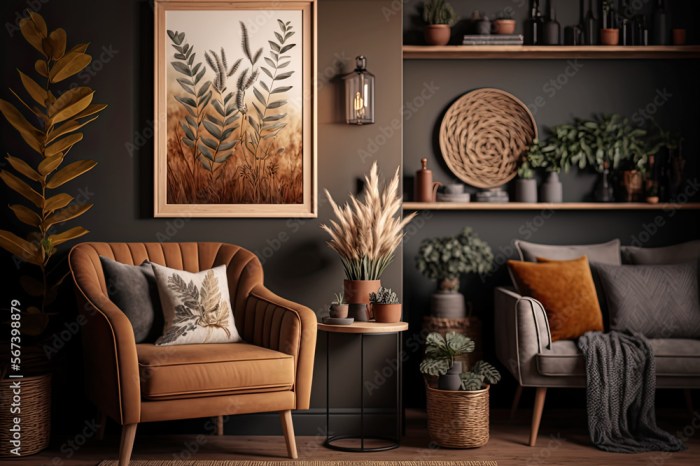
Kicking off with Biophilic interior design, this concept revolves around the harmonious integration of nature into our living spaces. It emphasizes creating environments that not only look beautiful but also enhance our well-being and emotional health by connecting us to the natural world.
In modern architecture, biophilic interior design stands out as a response to the increasing urbanization and disconnection from nature. By incorporating elements such as natural light, organic materials, and plant life, designers can foster spaces that evoke tranquility and promote a sense of belonging, making our homes feel more like sanctuaries.
Introduction to Biophilic Interior Design

Biophilic interior design is an innovative approach that integrates elements of nature into interior spaces, aiming to create an environment that promotes well-being and connectivity with the natural world. This design philosophy is increasingly significant in modern architecture as it addresses the need for healthier and more inspiring living and working spaces, especially in urban settings where nature may feel distant.The psychological and emotional benefits of incorporating natural elements into design are profound.
Research indicates that exposure to nature can reduce stress, improve mood, and enhance overall mental health. People often experience increased creativity and productivity in environments that reflect natural textures, colors, and forms, making biophilic design not just an aesthetic choice but also a functional one that fosters human resilience and happiness.
Key Elements Characterizing Biophilic Interior Design
Several fundamental components define biophilic interior design, each contributing to a cohesive and nature-inspired environment. Understanding these elements is essential for anyone looking to implement biophilic principles in their spaces.
- Natural Light: Maximizing daylight through large windows, skylights, or light wells helps to create a vibrant atmosphere that mimics outdoor environments. Natural light has been shown to enhance mood and regulate circadian rhythms, thereby promoting well-being.
- Natural Materials: Utilizing materials like wood, stone, and plants in design not only brings a tactile element to interiors but also connects occupants to the earth. These materials can evoke feelings of warmth and comfort, enhancing the sensory experience of a space.
- Indoor Plants: Incorporating greenery, such as potted plants, vertical gardens, or living walls, adds life and vitality to interiors. Plants improve air quality and create a calming effect, making spaces feel more inviting and alive.
- Views of Nature: Designing spaces to provide views of natural landscapes, gardens, or even urban greenery can significantly enhance the connection between occupants and the outside world. Such views can foster relaxation and provide mental breaks from routine tasks.
- Water Features: The inclusion of water elements, like fountains or pools, can create a soothing auditory and visual experience. Water has been associated with calmness and tranquility, contributing to a restorative environment.
These key elements work together to create environments that not only look beautiful but also support human health and well-being, making biophilic interior design a vital aspect of contemporary architecture.
Principles of Biophilic Design
Biophilic design is rooted in the idea that humans have an innate connection to nature, and it seeks to foster this relationship within our built environments. By integrating natural elements into interior spaces, biophilic design enhances well-being and promotes a sense of calm. This approach not only transforms a space but also positively impacts the psychological and emotional health of its occupants.The core principles of biophilic design revolve around incorporating natural elements, direct and indirect connections to nature, and fostering a sense of place.
These principles can be seamlessly integrated into interior spaces through various design techniques and materials. Understanding how to implement these principles effectively leads to enriched environments that resonate with human instincts for nature.
Natural Elements in Interior Design
Incorporating natural elements into interior design is essential for creating a biophilic environment. These elements can range from materials to patterns and textures that mimic nature. Below are some examples of natural elements that can be utilized:
- Plants: Indoor plants such as ferns, succulents, and potted trees not only purify the air but also add vibrant life to a space.
- Water Features: Incorporating water elements, such as fountains or aquariums, can promote tranquility and reduce stress.
- Natural Materials: Using wood, stone, and clay in furnishings and finishes creates a tactile connection to nature.
- Natural Light: Maximizing daylight through large windows or skylights can enhance mood and productivity.
- Views of Nature: Designing spaces with views of greenery or landscapes can significantly elevate the occupants’ experience.
These elements serve to bridge the divide between indoor environments and the natural world, fostering a sense of well-being and comfort.
Impact of Light, Space, and Materials
The interplay of light, space, and materials plays a crucial role in establishing a biophilic environment. Each of these elements contributes uniquely to the overall atmosphere and functionality of an interior space. Natural light is fundamental; it not only illuminates but also enhances moods, improves focus, and sets the tone of a room. Large windows and open spaces that allow for ample sunlight can create a vibrant and welcoming atmosphere.Space design also matters.
Open and airy layouts that incorporate natural forms can evoke feelings of freedom and connection. Rooms that flow into one another can mimic the organic transitions found in nature, promoting a sense of continuity.Materials significantly influence the sensory experience of a space. Choosing materials that reflect the properties of nature—like textured stone surfaces or smooth wooden finishes—can create a serene environment.
“Biophilic design is not merely a trend; it’s a sustainable approach to creating healthier living environments.”
By integrating these principles effectively, interior spaces can become sanctuaries that nurture our innate connection to the natural world.
Biophilic Design in Kitchen Improvements
Incorporating biophilic design into kitchen improvements can transform this essential space into a harmonious blend of nature and functionality. A kitchen that resonates with the outdoors fosters a nurturing environment, enhancing both culinary experiences and overall well-being. With innovative strategies and thoughtful design choices, it’s possible to create a kitchen that not only serves as a cooking hub but also as a sanctuary.Integrating natural elements into kitchen layouts involves reimagining traditional designs, allowing for more light, air, and greenery.
By focusing on the use of organic materials, harmonious color palettes, and strategically placed plants, homeowners can create spaces that connect with the surrounding environment. Such enhancements promote a sense of tranquility, making the kitchen a delightful place to spend time.
Innovative Kitchen Layouts
Adopting innovative layouts that emphasize biophilic design can significantly enhance a kitchen’s atmosphere. Consider the following strategies:
- Open Concept Design: An open kitchen design allows for better light and airflow, creating a seamless transition between the kitchen and living spaces. This layout encourages natural interaction with the surrounding environment.
- Window Placement: Positioning windows to capture natural light and offer views of outdoor greenery can foster a connection with nature. Consider large sliding doors that open up to a garden or outdoor dining area.
- Island Gardens: Incorporating a kitchen island with built-in planters allows for edible herbs and small plants, offering both aesthetic appeal and convenience in cooking.
Natural Materials and Colors
The selection of materials and colors plays a crucial role in achieving a biophilic kitchen. Using natural elements can enhance the overall ambiance. Here are some effective ideas for kitchen renovations:
- Wood Finishes: Opt for sustainable wood for cabinetry and countertops. Rich, natural wood grains bring warmth and texture, reminiscent of forest environments.
- Stone Elements: Incorporating natural stone, such as granite or slate, creates a tactile experience and connects with the earth. These materials can be used for countertops, backsplashes, and flooring.
- Earthy Color Palettes: Utilize colors that reflect nature, such as various shades of greens, browns, and soft blues. These hues can create a calming atmosphere that mirrors outdoor landscapes.
Plants for Kitchen Environments
Integrating plants into the kitchen not only beautifies the space but also improves air quality. Here are some plant options that thrive in kitchen environments, along with their optimal placements:
- Herbs: Culinary herbs like basil, mint, and rosemary grow well on windowsills where they can receive ample sunlight. They provide fresh ingredients for cooking while adding fragrance.
- Snake Plant: Known for its hardy nature, the snake plant can adapt to lower light conditions and helps purify the air, making it an excellent choice for kitchen corners.
- Pothos: This trailing vine can be placed on shelves or suspended in hanging pots. Its easy care and ability to thrive in various lighting conditions make it a popular choice.
Landscaping and Outdoor Decorating
Creating a harmonious connection between indoor and outdoor spaces is essential in biophilic design. By incorporating natural elements and thoughtful design strategies, homeowners can enhance their living environments, making them more inviting and reflective of nature. This approach not only improves aesthetic appeal but also boosts overall well-being by fostering a sense of tranquility and connection to the outdoors.To effectively blend indoor and outdoor environments, it’s crucial to consider methods that draw the eye and flow naturally between spaces.
Using similar colors and materials, maximizing natural light, and incorporating natural features such as water and plant life can significantly enhance the overall experience of both areas. The following design tips can be instrumental in creating outdoor spaces that mirror the principles of biophilic design.
Methods for Blending Indoor and Outdoor Environments
Establishing a seamless connection between indoor and outdoor areas can be achieved through several thoughtful design methods. By focusing on elements such as pathways, open spaces, and visual continuity, you can create an inviting atmosphere that encourages the use of both environments. Consider the following strategies:
- Utilize large glass doors or windows that promote transparency and allow natural light to flood both spaces, creating a sense of openness.
- Incorporate similar flooring materials between the indoor and outdoor areas, such as natural stone or wooden decking, to visually unify the spaces.
- Design landscaping that extends into the indoor area, such as indoor plants or a living wall, blurring the lines between the inside and outside.
- Create outdoor living areas that mimic indoor comforts, including seating, lighting, and textiles that are weather-resistant.
Design Tips for Outdoor Spaces
Creating outdoor spaces that reflect biophilic principles involves thoughtful attention to layout, color, and natural elements. Here are some essential tips to guide you in designing these areas:
- Incorporate diverse plant species that bloom at different times of the year to ensure year-round beauty.
- Employ water features, such as ponds or fountains, which not only add aesthetic value but also provide soothing sounds that enhance relaxation.
- Use organic materials like wood and stone to create structures, such as pergolas or garden benches, that harmonize with the natural environment.
- Design pathways that meander through the garden space, encouraging exploration and connection with nature.
Strategies for Selecting Outdoor Plants
Choosing the right plants is vital for enhancing the aesthetic and ecological value of outdoor spaces. Plants that are well-suited to the local climate not only thrive more effectively but also support local wildlife. When selecting outdoor plants, consider the following strategies:
- Opt for native plants that are adapted to your region, as they require less maintenance and provide habitat for local wildlife.
- Incorporate a mix of plant heights to create visual interest and layered landscapes that mimic natural ecosystems.
- Choose plants with varying textures and colors, such as ornamental grasses, flowering shrubs, and vibrant perennials, to add depth and dynamism to your outdoor spaces.
- Consider seasonal plants to create a dynamic landscape that changes throughout the year, ensuring visual appeal in all seasons.
Home Lighting and Its Role in Biophilic Design
Natural light plays a crucial role in enhancing the well-being of inhabitants and fostering a deeper connection with nature within home interiors. In biophilic design, the strategic use of light not only helps in creating a vibrant and inviting atmosphere but also promotes health and productivity. This segment will explore how to maximize natural light, the significance of artificial lighting that emulates natural sources, and provide a curated list of lighting fixtures that align with biophilic design principles.Maximizing natural light in home interiors can be achieved through various architectural and design strategies.
Key methods include the use of large windows, skylights, and open floor plans that allow light to flow freely throughout the space. Orientation of the home also plays a vital role in harnessing sunlight; positioning windows to face south can capture winter sunlight while minimizing glare in summer. Additionally, adopting light-colored walls and reflective surfaces can amplify the effects of natural light.
Artificial Lighting That Mimics Natural Light
Artificial lighting is essential, especially in spaces that may not receive ample natural light throughout the day. The goal is to select lighting that mimics the qualities of daylight, which includes warmth, color rendering, and intensity. The right artificial lighting can create a comfortable ambiance while also enhancing the overall design aesthetic.Natural light mimicking fixtures can reduce eye strain and boost mood, making them an integral part of biophilic design.
LED lights with a color temperature of around 5000K are ideal, as they closely resemble daylight. Dimming options can further enhance flexibility, allowing inhabitants to adjust the lighting according to the time of day or personal preference.To complement biophilic design, here are some key lighting fixtures to consider:
- Full Spectrum LED Bulbs: These bulbs provide light across the full color spectrum, closely resembling natural sunlight.
- Smart Lighting Systems: Systems like Philips Hue can adjust color and brightness in response to natural light changes throughout the day.
- Sunlight-Simulating Floor Lamps: These lamps can be strategically placed in darker corners to extend the reach of natural light.
- Track Lighting with Adjustable Heads: This allows for directional lighting, which can highlight natural features or artwork.
- Wall Sconces with Warm Light: These fixtures provide ambient lighting that creates a cozy, inviting atmosphere.
Incorporating these lighting elements can significantly enhance the biophilic aspects of a home, fostering a lively connection to the outdoor environment while ensuring functionality and comfort.
Integrating Biophilic Elements in New Construction
Incorporating biophilic design principles into new construction projects embodies a holistic approach to architecture that fosters a strong connection between inhabitants and nature. This design philosophy not only enhances the aesthetic appeal of a space but also promotes well-being and sustainability. As urban environments continue to expand, embracing biophilic elements has become essential to creating healthier living spaces.To effectively integrate biophilic design in new builds, it is crucial to prioritize sustainable materials and eco-friendly technologies that harmonize with the environment.
This approach reduces the ecological footprint while enhancing the quality of life for occupants. The following best practices provide a framework for architects and builders seeking to implement these principles.
Best Practices for Incorporating Biophilic Design
Implementing biophilic design in new constructions involves several key considerations that contribute to a more natural and engaging environment.
- Natural Light Maximization: Utilize large windows and skylights to flood interiors with natural light, thereby enhancing mood and reducing reliance on artificial lighting.
- Natural Materials Usage: Select materials such as reclaimed wood, bamboo, and stone that connect occupants with the local environment and reduce environmental impact.
- Indoor-Outdoor Flow: Design spaces that seamlessly transition from indoor to outdoor areas, including the use of sliding glass doors, which encourage outdoor living and interaction with nature.
- Green Spaces Integration: Incorporate indoor plants, living walls, and green roofs to improve air quality, enhance aesthetics, and create a calming atmosphere.
- Water Features Implementation: Integrate water elements like fountains or ponds to provide auditory and visual connections to nature, promoting relaxation and tranquility.
Sustainable Materials and Eco-Friendly Technologies
The choice of materials and technologies plays a pivotal role in realizing biophilic design. By opting for sustainable options, builders can create structures that are not only beautiful but also environmentally responsible.
- Recycled and Upcycled Materials: Using materials that have been salvaged or recycled reduces waste and the demand for new resources, contributing to a circular economy.
- Energy-Efficient Systems: Implementing solar panels, high-efficiency HVAC systems, and smart home technologies can significantly reduce energy consumption and environmental impact.
- Water Conservation Technologies: Incorporating rainwater harvesting systems and low-flow fixtures helps in conserving water, aligning with sustainable building practices.
- Sustainable Insulation Materials: Utilizing insulation made from natural or recycled materials enhances energy efficiency while maintaining healthy indoor air quality.
Case Studies of Successful Biophilic New Constructions
Analyzing real-life examples of biophilic design in new constructions can provide valuable insights into effective implementation strategies. One notable example is the Eden Project in Cornwall, England. This complex features geodesic domes housing diverse plant species from around the world, integrating natural light and sustainable practices into its design. The project not only serves as a tourist attraction but also as an educational center promoting environmental awareness.Another exemplary project is the Bosco Verticale (Vertical Forest) in Milan, Italy.
This residential complex consists of two towers covered with thousands of trees and plants, providing habitat for birds and insects while mitigating the urban heat island effect. The design highlights the importance of greenery in urban settings and showcases how biophilic design can enhance the quality of life for residents.These successful examples illustrate the transformative power of biophilic design in new constructions, paving the way for future developments that prioritize harmony with nature.
Home Painting Techniques for a Biophilic Aesthetic
Incorporating biophilic design into your home extends beyond the use of natural materials and greenery; it also encompasses the colors and finishes that envelop your living space. By understanding color theory and its psychological effects, you can create an ambiance that fosters well-being and connects you with nature. Carefully selected hues can evoke the tranquility of a forest or the warmth of a sunset, enhancing the biophilic experience.Color theory plays a crucial role in biophilic design, as different colors can evoke various emotions and moods.
For instance, greens and earthy tones often promote feelings of calmness and relaxation, while blues can inspire serenity and clarity. Understanding how colors interact with light can also influence your choices, as certain shades can amplify the natural light in your space, creating a more vibrant environment.
Color Palette Inspired by Nature
Selecting a color palette that reflects the natural world is essential in achieving a biophilic aesthetic. Here are some color categories that evoke elements of nature:
- Earth Tones: Colors like terracotta, ochre, and various shades of brown remind us of the soil and mountains, creating a grounded feel.
- Greens: From deep forest greens to soft sage, these colors reflect plant life and can bring a sense of freshness indoors.
- Blues: Shades reminiscent of the ocean and sky, such as aqua and soft blue, can inspire peace and tranquility.
- Neutral Hues: Whites, creams, and soft grays offer a clean backdrop that allows natural elements to stand out without overwhelming the senses.
Incorporating these colors into your home can create an environment that not only looks appealing but also nurtures a connection to the outdoors.
Choosing Paint Finishes for Natural Light Reflection
The finish of your paint can significantly affect how light interacts with your walls and overall space. Different finishes have varying levels of sheen, which can either absorb or reflect light. Selecting the right finish is essential for enhancing biophilic elements in your home. Here are some considerations for paint finishes:
- Satin Finish: This finish has a soft sheen that reflects light without being overly glossy. Ideal for living areas, it helps create a warm and inviting atmosphere.
- Eggshell Finish: With a slightly lower sheen than satin, eggshell finishes are easy to clean and suitable for high-traffic areas while still reflecting enough light to brighten spaces.
- Matte Finish: Offering a non-reflective surface, matte finishes can create a cozy feel, but they may absorb more light, making them better suited for smaller rooms with ample natural light.
- Gloss Finish: Highly reflective, gloss finishes can be used sparingly to highlight architectural features or furniture, adding a modern touch while enhancing brightness.
By selecting the appropriate paint finishes, you can maximize the effect of natural light in your home, further reinforcing the harmony between your indoor environment and the beauty of nature.
Designing a Patio Deck with Biophilic Principles
Outdoor living spaces play a crucial role in biophilic design, serving as extensions of our indoors that foster a deeper connection with nature. A well-designed patio deck can enhance relaxation, social interactions, and even personal reflection by incorporating natural elements and materials. By integrating biophilic principles into your patio design, you not only create a beautiful space but also promote well-being and mindfulness.Designing a patio deck with biophilic principles involves careful consideration of materials, layout, and furnishings that resonate with the natural environment.
A successful biophilic patio blends seamlessly with its surroundings, creating an inviting atmosphere that encourages outdoor living. Below are some ideas and elements to consider when designing your patio deck.
Importance of Natural Materials
Natural materials are fundamental in biophilic design as they evoke the essence of the outdoors. Using materials such as wood, stone, and bamboo can create a warm and organic atmosphere. Here are some ways to incorporate natural materials into your patio:
- Wooden Decking: Choose sustainably sourced hardwood or composite decking that mimics the appearance of natural wood, enhancing the tactile experience of your patio.
- Stone Features: Utilize natural stone for pathways or seating areas. The textures and colors of stone can harmonize with the surrounding landscape.
- Bamboo Privacy Screens: These not only provide privacy but also add an exotic touch that invites the outdoors in.
Furniture and Decor that Harmonize with Nature
Selecting furniture and decor that complement the natural setting is essential for a biophilic patio. The right choices can elevate the connection to nature, making the space more inviting and comfortable. Consider the following elements:
- Natural Fabrics: Opt for outdoor cushions and rugs made from organic materials such as cotton or linen to ensure comfort while maintaining an eco-friendly approach.
- Earthy Color Palettes: Use colors inspired by nature, like greens, browns, and soft neutrals, to create a calming atmosphere.
- Planters and Greenery: Incorporate planters made of natural materials, such as terracotta or stone, filled with native plants to attract local wildlife and enhance biodiversity.
“A well-designed patio deck not only serves as a functional space but also as a sanctuary that nurtures our innate connection to nature.”
Integrating these design principles into your patio can significantly enhance your outdoor living experience. By focusing on natural materials and harmonious furnishings, you create a space that is both beautiful and beneficial for your well-being.
Pest Control and Biophilic Design
Biophilic design not only emphasizes enhancing our connection with nature through aesthetics but also promotes a healthier living environment. One crucial aspect of this is addressing pest control in a way that aligns with biophilic principles. Organic pest control methods can significantly contribute to a healthy household while maintaining the natural balance in home gardens.Implementing organic pest control methods supports a sustainable household environment by reducing reliance on harmful chemicals.
Incorporating biophilic design in pest management involves selecting the right plants and maintaining a balanced ecosystem. This approach fosters a harmonious relationship between plants and their surrounding environment, ensuring that the space remains inviting and pest-free.
Organic Pest Control Methods
Utilizing organic pest control methods is essential for maintaining a healthy indoor and outdoor environment. These methods help in managing pests without introducing harmful chemicals that can affect both human health and the ecosystem. Some effective organic pest control methods include:
- Neem Oil: Extracted from the seeds of the neem tree, this oil disrupts the life cycle of pests and can deter a wide range of insects.
- Insecticidal Soap: A mixture of natural oils and soap can effectively kill soft-bodied insects like aphids and spider mites upon contact.
- Diatomaceous Earth: This natural powder, made from fossilized algae, can be sprinkled around plants to damage the exoskeletons of insects, causing dehydration.
- Beneficial Insects: Introducing natural predators such as ladybugs and lacewings can help control pest populations without chemicals.
Plant Selection and Pest Management
Selecting the right plants for your garden plays a pivotal role in natural pest management. Certain plants not only enhance the beauty of your space but also deter pests or attract beneficial insects. Key considerations for plant selection include:
- Diversity of Plants: A varied selection of plants creates a balanced ecosystem, making it harder for pests to establish themselves.
- Companion Planting: Planting certain species together can repel pests. For example, marigolds are known to deter nematodes and other harmful insects.
- Native Plants: Using plants native to your region can foster resilience against local pests and diseases, as they have adapted to thrive in the local environment.
Maintaining a Balanced Ecosystem in Home Gardens
Creating and maintaining a balanced ecosystem in home gardens is vital for effective pest control. Here are some practical tips to achieve this balance:
- Regular Monitoring: Keep an eye on plant health and pest populations to catch problems early before they escalate.
- Healthy Soil Practices: Enriching soil with organic compost improves plant health, making them more resilient to pests.
- Water Management: Proper irrigation techniques, such as drip irrigation, can prevent excess moisture that attracts pests.
- Encouraging Biodiversity: A diverse garden attracts various species, making it more difficult for any single pest to dominate.
Implementing organic pest control methods and selecting the right plants are essential practices that support a healthy, biophilic household environment.
Home Plumbing and Sustainability
Incorporating biophilic design principles in home plumbing can significantly enhance the connection between indoor environments and nature. Sustainable plumbing solutions not only improve aesthetic appeal through water features but also promote environmental responsibility. This section explores how plumbing design can support a biophilic environment by integrating water elements, selecting eco-friendly fixtures, and optimizing indoor spaces for sustainability.
Water Features in Biophilic Design
Water features in homes can create a soothing atmosphere while also serving as a focal point that draws the eye and calms the mind. The sound of flowing water can mimic natural environments, fostering a sense of tranquility and reducing stress. Here are some ways to integrate water elements effectively:
- Indoor Fountains: Small water fountains can be installed in living areas or entryways, providing both visual interest and the calming sound of running water. Choose designs that utilize recirculating systems to minimize water waste.
- Water Walls: A water wall not only acts as a stunning visual but also helps in regulating humidity levels within the home. These walls can be made from various materials, including glass and stone, allowing flexibility in design.
- Aquatic Plants: Incorporating aquatic plants in water features promotes biodiversity and contributes to cleaner air. Plants like ferns and water lilies can thrive in these environments, enhancing both aesthetics and air quality.
Eco-Friendly Plumbing Fixtures
Selecting eco-friendly plumbing fixtures is essential for aligning with biophilic design principles while promoting sustainability. These fixtures not only conserve water but also contribute to a healthier indoor environment. Consider the following options:
- Low-Flow Faucets: These faucets reduce water consumption without sacrificing performance, helping to conserve resources while still providing adequate water flow.
- Dual-Flush Toilets: These toilets offer the option to use less water for liquid waste, significantly reducing overall water usage in the home.
- Water-Efficient Showerheads: Installing showerheads that utilize air pressure to maintain water flow while using less water can dramatically reduce daily water usage.
Integrating Water Elements in Interior Spaces
Integrating water elements within interior spaces can enhance the biophilic experience by creating a seamless connection between nature and the home. Here are effective solutions to achieve this:
- Decorative Basins: Use decorative basins or sinks in kitchens and bathrooms that highlight the beauty of water. Materials like stone or ceramic can provide a natural look.
- Wet Rooms: Designing wet rooms, which incorporate water features within the space, can create a spa-like atmosphere. These areas can combine showers, bathtubs, and water plants for a truly immersive experience.
- Reflective Surfaces: Employing reflective materials like mirrors or glass can amplify the visual effect of water features, enhancing the perception of space and light.
Home Remodeling with a Biophilic Focus
Incorporating biophilic design into home remodeling projects can significantly enhance the connection between indoor spaces and nature. This approach not only fosters a healthier living environment but also elevates the aesthetic appeal of the home. Remodeling with a biophilic focus invites natural elements into everyday life, creating a harmonious atmosphere that promotes well-being and tranquility.A successful biophilic remodel involves several key steps that enhance the integration of natural elements while ensuring a seamless flow with existing architectural features.
It is essential to prioritize materials, colors, and designs that evoke nature, allowing the space to breathe and resonate with the environment.
Steps for Remodeling Spaces to Enhance Biophilic Design Elements
Remodeling a home with biophilic principles in mind requires thoughtful planning and execution. The following steps provide a clear guide to achieving a nature-inspired transformation:
1. Assessment of Current Space
Evaluate the existing layout, light sources, and natural elements present. Identify areas that lack natural light or connection to the outdoors.
2. Incorporating Natural Light
Maximize daylight by installing larger windows, skylights, or glass doors that connect indoors to the landscape outside.
3. Material Selection
Choose natural materials such as wood, stone, and organic textiles that resonate with the outdoor environment. Avoid synthetic materials that may detract from the natural feel.
4. Color Palette
Opt for earthy tones and hues inspired by nature, such as greens, browns, and soft blues, to create a calming atmosphere.
5. Indoor Plants and Greenery
Integrate indoor plants and vertical gardens to purify air and enhance the visual aesthetics. Consider species that thrive indoors and require minimal care.
6. Water Features
If space allows, include water features such as small fountains or aquariums to evoke the soothing sounds of nature.
7. Natural Ventilation
Design for cross-ventilation by positioning windows and openings strategically to enhance airflow and reduce reliance on artificial cooling systems.
Design Considerations for Maintaining Harmony with Nature
During renovations, it’s crucial to maintain a balance between modern living needs and nature. Consider the following design considerations to uphold this harmony:
Sustainable Practices
Emphasize sustainability throughout the remodel by utilizing recycled materials and energy-efficient systems.
Outdoor Integration
Create seamless transitions between indoor and outdoor spaces. Use similar flooring or color schemes to unify the areas.
Natural Patterns and Textures
Incorporate designs inspired by natural forms, such as organic shapes and patterns found in nature, to create visual interest.
Views and Vistas
Position furniture and design elements to frame natural views, promoting a sense of connection with the outside world.
Features to Include in Biophilic Home Remodels
Incorporating specific features into your biophilic remodel can enhance the relationship between your home and nature. The following list highlights essential additions:
Sunrooms or Greenhouses
Spaces that allow for indoor gardening or relaxation while enjoying natural light.
Biophilic Walls
Living walls or vertical gardens that introduce greenery and improve air quality.
Natural Flooring
Materials like bamboo, cork, or reclaimed wood that are not only sustainable but also evoke a natural ambiance.
Eco-Friendly Insulation
Using materials that provide thermal comfort while reducing energy consumption.
Outdoor Living Spaces
Patios, decks, or courtyards designed for relaxation and connection with nature.
Artistic Nature-Inspired Decor
Incorporate art and decor that reflect natural themes, such as landscape paintings or sculptures inspired by natural forms.By embracing these remodeling strategies and features, homeowners can create spaces that not only satisfy functional needs but also nourish the spirit through a deepened connection to nature.
Conclusion
In conclusion, embracing biophilic interior design is more than just a trend; it’s a commitment to enhancing our quality of life through thoughtful integration of nature. As we dive deeper into this approach, we find that our homes can become restorative environments that nurture our minds and bodies, ultimately leading to a more sustainable and fulfilling lifestyle.
FAQ Overview
What is biophilic interior design?
Biophilic interior design refers to the practice of incorporating natural elements into indoor spaces to enhance well-being and create a connection to nature.
How does biophilic design benefit mental health?
It has been shown to reduce stress, improve mood, and promote overall mental wellness by creating soothing environments that mimic nature.
Can biophilic design be implemented in small spaces?
Absolutely! Biophilic design can be adapted to any space, utilizing elements like indoor plants, natural light, and nature-inspired colors to enhance the environment.
What are some easy ways to incorporate biophilic elements at home?
You can add houseplants, use natural materials like wood and stone, optimize natural light, and choose colors that reflect nature.
Is biophilic design sustainable?
Yes, biophilic design often emphasizes sustainability by using eco-friendly materials and promoting a connection to the local environment, benefiting both residents and the planet.


