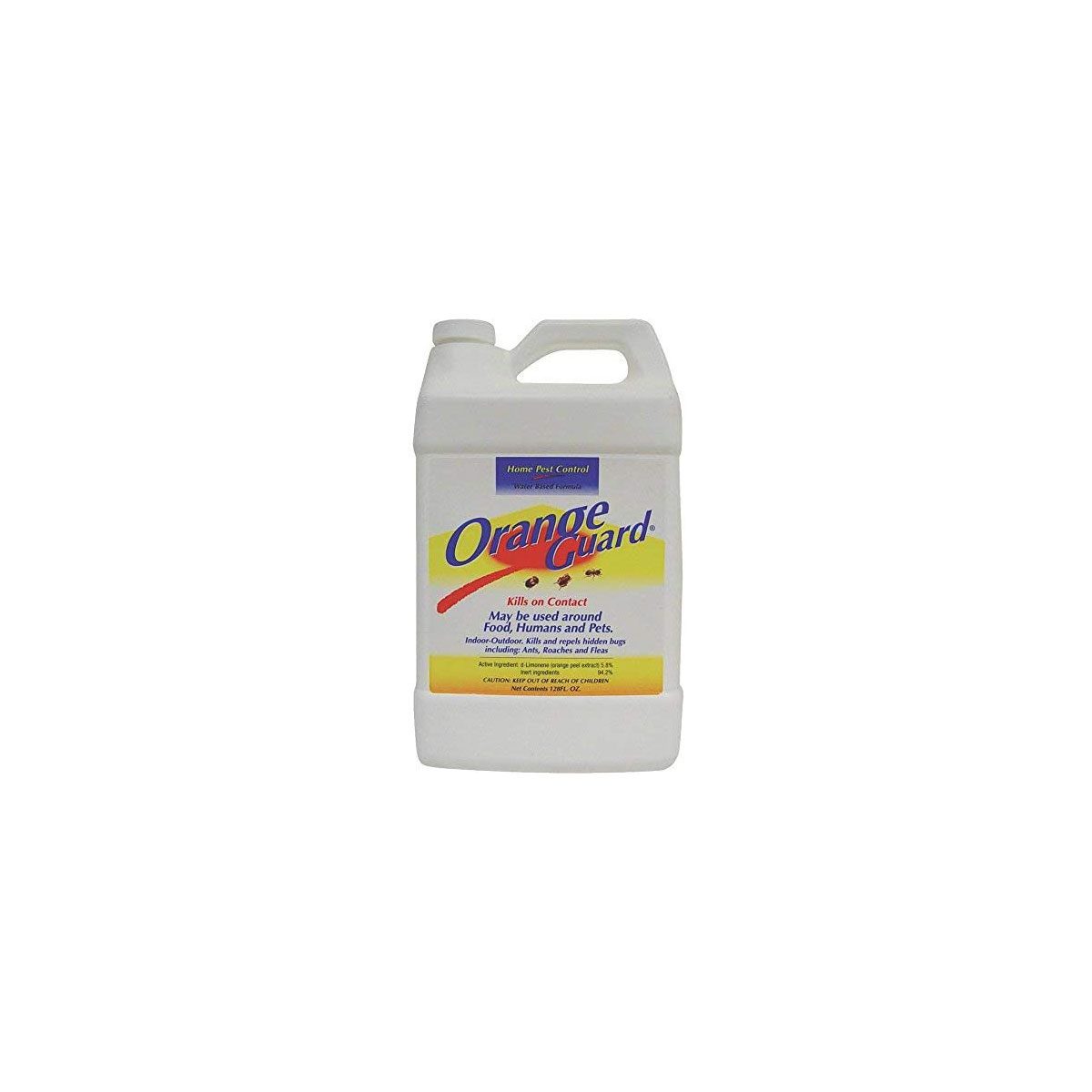
Child and pet-safe pest treatments are essential for families seeking to maintain a safe and healthy living environment. With the increasing concerns over chemical exposure, many parents and pet owners are turning to alternative solutions that effectively manage pests while ensuring the safety of their loved ones. This article delves into the significance of using safe pest control methods and provides practical tips on how to achieve an effective pest management strategy without compromising the well-being of children and pets.
From understanding the common household pests to exploring both chemical and natural treatment options, we will guide you through the choices that prioritize safety. Additionally, we’ll touch on how you can integrate pest prevention into your home’s design and lifestyle seamlessly, making pest control an integral part of a family-friendly home.
Child and Pet-Safe Pest Treatments
In homes where children and pets are part of the family, ensuring a safe environment is of utmost importance. Using pest treatments that are safe for both kids and animals is crucial, as traditional pest control methods often involve harmful chemicals that can pose health risks. By opting for child and pet-safe solutions, families can effectively manage pest problems while prioritizing the well-being of their loved ones.Common household pests can quickly become a nuisance, but there are effective pest control solutions that won’t compromise safety.
These pest problems often include ants, cockroaches, fleas, ticks, and rodents. Addressing these issues with child and pet-safe treatments can help keep both the home and its occupants safe. Here are a few common pest problems and their corresponding safe solutions:
Common Pest Problems and Safe Solutions
When dealing with pest control, understanding the nature of the pests and the treatments available is essential. Below is a list of common pests found in households along with effective child and pet-safe treatments:
- Ants: A mixture of vinegar and water acts as a natural deterrent, disrupting their scent trails without any harmful effects.
- Cockroaches: Diatomaceous earth is a non-toxic powder that can be sprinkled in areas where cockroaches are spotted, causing them to dehydrate and die safely.
- Fleas: A combination of salt and baking soda can be sprinkled onto carpets and left overnight to help eliminate fleas without risking the health of pets and children.
- Ticks: Essential oils like cedarwood and lavender can be used in a spray to repel ticks naturally, keeping your furry friends safe while playing outdoors.
- Rodents: Instead of traps or poisons, peppermint oil can be used as a natural repellent; placing cotton balls soaked in peppermint oil can deter mice without harm.
The differences between chemical and natural pest control methods are significant, especially regarding safety. Chemical pest control often involves synthetic substances that can be toxic to both humans and animals. These can cause a range of health issues, including respiratory problems, skin irritations, and more severe long-term effects. In contrast, natural pest control methods utilize ingredients that are generally recognized as safe for both children and pets.
Natural methods often employ essential oils, vinegar, or food-grade substances that can effectively repel or eliminate pests without the associated risks of chemical exposure. For example, many families have successfully utilized a combination of tea tree oil and water to keep spiders at bay, providing a safer alternative to traditional insecticides.
“Choosing natural pest control methods not only protects your family but also contributes to a healthier environment.”
In summary, prioritizing child and pet-safe pest treatments is essential for maintaining a safe home. With a range of natural solutions available, families can effectively manage common pest problems without compromising the health and safety of their loved ones.
Interior Design and Decorating
Creating a beautiful home environment that is also child and pet-safe involves thoughtful planning, especially when it comes to pest control measures. Incorporating pest-resistant solutions into your interior design not only promotes aesthetics but also enhances safety and comfort for your loved ones. This balance of style and functionality is essential in cultivating a welcoming atmosphere while keeping pesky intruders at bay.When selecting materials and furnishings for your home, choosing pest-resistant options can significantly reduce the risk of infestations while ensuring safety for children and pets.
This approach can be seamlessly integrated into your decor choices, making pest control a natural part of your living space. It’s crucial to prioritize cleanliness and a pest-free environment, as these factors contribute to the overall aesthetic appeal of your decor, creating a space that feels fresh and inviting.
Pest-Resistant Materials and Furnishings
Incorporating pest-resistant materials into your home is not only a practical decision but also a stylish one. Here are some effective strategies for selecting safe and aesthetically pleasing furnishings:
- Choose Natural Fabrics: Opt for materials like cotton, wool, or linen that are less prone to pest attraction compared to synthetic fibers. These natural options are often safer for kids and pets while providing a cozy, inviting atmosphere.
- Use Hard Flooring: Consider hardwood, tile, or laminate flooring as they are easier to clean and less likely to harbor pests compared to carpets. These surfaces can enhance the beauty of your space while minimizing pest risks.
- Select Pest-Repellent Plants: Incorporate indoor plants such as lavender, marigolds, or mint, known for their natural pest-repellent properties. They add an aesthetic touch while serving a dual purpose of pest control.
- Invest in Sealed Storage: Use airtight containers for food storage and decorative baskets with lids to keep pests at bay. Attractive storage solutions can enhance your decor while protecting your space.
Maintaining a clean and pest-free environment is essential for both health and aesthetics. Regular cleaning routines and strategic pest control can lead to a more enjoyable living space. A clean home not only looks appealing but also reduces the likelihood of pest infestations, ensuring a comfortable atmosphere for all family members, including furry ones.
“Aesthetically pleasing and pest-free environments contribute to overall well-being and safety in the home.”
Kitchen Improvements
Renovating your kitchen is not just an opportunity to enhance aesthetics but also a chance to incorporate effective pest control strategies. By integrating pest-proofing measures during your kitchen improvements, you can create a space that is not only beautiful but also safe for children and pets. Understanding how to safeguard your kitchen from pests while maintaining an inviting atmosphere is essential for any homeowner.One vital aspect of kitchen renovations is the selection of materials and designs that deter pests.
This can include everything from choosing cabinetry to preventing pest access in food storage areas. Additionally, employing non-toxic cleaning supplies ensures that your kitchen remains free of pests without compromising the safety of your loved ones. Here are some strategies to consider during your kitchen improvements:
Pest Control Strategies During Renovations
During kitchen renovations, it’s crucial to consider how your choices can affect pest control. Certain materials and designs can either attract or repel pests. The following strategies can be integrated into your kitchen improvements:
- Sealed Cabinets: Opt for cabinets with sealed edges to prevent pests from nesting inside.
- Solid Flooring: Choose materials like tile or sealed hardwood that don’t provide a habitat for pests.
- Ventilation Systems: Install proper ventilation to reduce humidity and deter pests like cockroaches and ants.
- Screened Windows and Doors: Ensure all windows and doors have tight-fitting screens to keep insects out while allowing fresh air in.
Pest-Proofing Kitchen Storage and Food Areas
Pest-proofing your kitchen storage and food areas is essential for maintaining hygiene and safety. Effective pest-proofing strategies not only protect your food but also create a healthier environment. Consider implementing the following ideas:
- Glass or Airtight Containers: Store food in glass or airtight containers to prevent pest access.
- Regular Cleaning Routine: Establish a regular cleaning routine to eliminate crumbs and spills that attract pests.
- Elevated Storage: Keep food storage off the ground to reduce pest access and visibility.
- Strategic Placement of Food Items: Avoid storing food items near sinks or entry points where pests may enter.
Selection of Non-Toxic Cleaning Supplies
Choosing the right cleaning supplies is essential for pest control in a child and pet-safe environment. Non-toxic cleaning products can deter pests while ensuring your kitchen remains safe for your family. Here are some examples of effective non-toxic cleaning supplies that can help:
- Vinegar: A natural deterrent for ants and other pests when used as a cleaning solution.
- Baking Soda: Effective for deodorizing and can help eliminate pest infestations when mixed with sugar.
- Essential Oils: Oils such as peppermint or tea tree can repel insects when used in cleaning solutions.
- Castile Soap: A versatile cleaner that can also deter insects without harmful chemicals.
Landscaping Outdoor Decorating
Creating a beautiful outdoor space not only enhances your home’s curb appeal but also provides a safe environment for your children and pets. By choosing landscaping techniques and plants that naturally repel pests, you can enjoy your garden without worrying about harmful chemicals. This approach not only benefits your family but also promotes a more eco-friendly lifestyle.When designing your outdoor areas, integrating plants and landscaping elements that deter pests while being safe for your loved ones is crucial.
Many common pests can be kept at bay through natural deterrents, ultimately reducing the need for child and pet-safe pesticides. Establishing a balanced ecosystem in your garden can facilitate this process, ensuring that your outdoor space remains a sanctuary for both humans and animals alike.
Plants That Deter Common Pests
Selecting the right plants can significantly reduce the presence of unwanted pests while ensuring the safety of your children and pets. Below are examples of plants that repel common pests and are safe for family environments:
- Lavender: This fragrant herb not only adds beauty to your garden but also repels mosquitoes, moths, and fleas. Its lovely scent can create a calming atmosphere for your outdoor space.
- Marigolds: Known for their vibrant colors, marigolds are effective in repelling aphids, whiteflies, and nematodes. They are non-toxic, making them a great addition to any family garden.
- Basil: This culinary herb does more than flavor your dishes; it also keeps flies and mosquitoes away. Planting basil near outdoor seating areas can enhance both the ambiance and pest control.
- Mint: The strong aroma of mint is a natural repellent for ants, mosquitoes, and even spiders. It’s vital to plant mint in a contained space, as it can spread quickly.
- Citronella Grass: Famous for its mosquito-repelling properties, citronella grass is a must-have for outdoor gardens. It’s safe for pets and children, offering a natural solution to keeping flying pests at bay.
Using child and pet-safe pesticides is essential for maintaining a healthy outdoor environment. These products should be made from natural ingredients that minimize risks to your family while still being effective against pests. Before using any pesticide, it’s important to read labels carefully and choose those specifically labeled as safe for children and pets.Incorporating these pest-repelling plants into your landscaping not only provides a natural barrier against pests but also enriches the beauty of your outdoor space.
By fostering a garden that is both aesthetically pleasing and functional, you create a harmonious environment for your family to enjoy.
Home Lighting
Proper home lighting plays a crucial role in creating a safe environment for children and pets while effectively managing pest issues. By choosing the right lighting solutions, homeowners can enhance the aesthetic appeal of their spaces while minimizing pest attraction. This balance not only helps in maintaining a pleasant ambiance but also contributes to a healthier living environment.Outdoor lighting can significantly influence pest behavior.
For instance, certain types of illumination can either attract or repel insects. By selecting lights that are both energy-efficient and less attractive to pests, homeowners can create safer outdoor spaces. Using LED lights with yellow or amber tones is a wise choice as these wavelengths are less appealing to bugs compared to traditional white bulbs. Furthermore, strategically placed lighting can illuminate pathways and entry points while reducing dark areas that may harbor pests.
Energy-Efficient Light Options That Deter Pests
Choosing energy-efficient lighting not only reduces electricity costs but can also deter pests effectively. The following options are known for their pest-repelling properties:
- LED Lights: These bulbs consume less energy and produce less heat, making them less attractive to insects. Their long lifespan further adds to their appeal.
- Yellow Bug Lights: Specifically designed to reduce insect attraction, these bulbs emit a softer glow that does not lure bugs like traditional white lights.
- Smart Lighting: Smart outdoor lights can be programmed to turn on and off at specific times, ensuring that lights are only on when needed and reducing the attraction to pests.
- Sodium Vapor Lights: While not as common, these lights are often used in street lighting and are less appealing to insects due to their unique color spectrum.
It is essential to position outdoor lighting away from entrances and windows. This strategy helps to prevent pests from being drawn to your home while still providing adequate illumination for safety and aesthetics.
Impact of Indoor Lighting on Pest Behavior and Safety
The type and placement of indoor lighting can also influence pest activity within the home. Certain lighting conditions can either encourage or deter pests from entering living spaces.
- Warm Lighting: Using warm-toned lights can help create a cozy environment while discouraging pests that prefer brighter, cooler lights.
- Properly Sealed Fixtures: Ensuring that indoor light fixtures are well-sealed can prevent insects from entering and nesting within these areas.
- Regular Maintenance: Keeping light fixtures clean and free of dust not only enhances lighting efficiency but also makes it less inviting for pests.
- Light Schedules: Implementing schedules that minimize light usage during peak pest activity times can further reduce indoor pest issues.
By understanding the relationship between lighting and pest behavior, homeowners can take proactive steps to ensure their indoor and outdoor environments remain safe for children and pets while effectively managing pest attraction.
New Construction
When planning new construction, especially for families with children and pets, incorporating effective pest control measures from the very beginning can save a lot of headaches down the line. Thoughtful considerations in pest management ensure that your new home is a safe and healthy environment for all its inhabitants. Incorporating pest-resistant building materials during the construction phase is one of the most effective strategies.
These materials are designed to deter pests from entering or nesting within the structure, significantly reducing the need for chemical treatments later on. By choosing wisely during construction, you help create a long-lasting barrier against various pests, ranging from termites to rodents.
Considerations for Safe Outdoor Areas
Creating safe outdoor spaces is essential for minimizing pest issues in new constructions, particularly for homes with children and pets. A well-designed outdoor area not only enhances the aesthetic appeal but also acts as a deterrent for unwanted pests. Here are some guidelines to consider:
- Landscaping Choices: Opt for plants that are less attractive to pests. Native plants often have natural defenses against local pest species and can thrive without excessive maintenance.
- Drainage Solutions: Ensure proper drainage systems are in place to prevent standing water, which is a breeding ground for mosquitoes and other pests. Incorporate features like dry wells or French drains.
- Fencing Options: Installing fences can help control access to your yard. Consider fencing that is buried at the base to deter burrowing animals.
- Outdoor Lighting: Use pest-repelling outdoor lighting, such as yellow or LED lights, which are less attractive to night-flying insects. This reduces the likelihood of bugs swarming around outdoor spaces.
- Play Areas: Designate play areas away from dense vegetation and shrubs, where pests may hide. Keeping play zones clear of debris and tall grass can also minimize encounters with pests.
By addressing these considerations during the planning and development phases of new construction, homeowners can enjoy a pest-resistant environment that remains safe for children and pets, allowing families to embrace their outdoor spaces with confidence.
Home Painting
Painting your home is not just about aesthetics; it’s also about creating a safe environment for your loved ones, including pets and children. Choosing the right paints can significantly reduce health risks while enhancing the beauty of your living space. Utilizing non-toxic, child and pet-friendly paints ensures that the air quality remains clean and safe during and after the painting process, promoting a healthier home atmosphere.Using non-toxic paints is essential because traditional paints often contain harmful chemicals that can emit volatile organic compounds (VOCs).
These substances can lead to respiratory issues, skin irritations, and other health problems, particularly in vulnerable populations like children and pets. When selecting paints, look for options labeled as low-VOC or zero-VOC, as they are specifically formulated to minimize harmful emissions without sacrificing quality and durability.
Pest Behavior and Paint Colors
The colors you choose for your home can influence not just the ambiance but also pest behavior. Certain colors attract or repel pests, hence making informed decisions can help in pest management as well. Colors like white, yellow, and light blue tend to be less attractive to insects, while darker colors or bold shades, such as red and bright greens, might draw their attention.
Understanding this behavior can guide you in selecting shades that not only suit your design vision but also keep pests at bay.To enhance your pest control efforts through color selection, consider the following tips when choosing paint:
- Opt for light, neutral colors that blend well with natural surroundings.
- In areas prone to pest activity, avoid using overly bright or dark colors that might attract them.
- In outdoor spaces, choose colors that mimic the natural landscape to discourage pests.
Implementing safe painting practices is crucial for maintaining a pest-free environment during your renovation. Here are some key strategies to keep in mind:
- Ensure proper ventilation while painting to reduce inhalation of any fumes, even if using non-toxic products.
- Cover flooring and furniture to prevent spills, which can attract pests if not cleaned promptly.
- Maintain a clean workspace by promptly disposing of any waste materials, including empty paint cans.
“Choosing the right paint color can lead to a more harmonious living space and deter unwanted pests.”
By thoughtfully selecting non-toxic paints and considering the impact of color on pest behavior, you can create a beautiful and safe environment for your home. These practices not only protect your family and pets but also contribute to a more sustainable lifestyle.
Patio Deck
Building or renovating a patio or deck is an excellent way to enhance your outdoor living space. However, it’s essential to consider pest control measures during this process to ensure a comfortable and inviting area for families and pets alike. By implementing smart pest management tactics, you can enjoy your new outdoor retreat without the nuisance of unwanted creatures.When planning your patio or deck, it’s crucial to select materials and designs that deter pests.
Certain features can enhance pest resistance while ensuring safety for children and pets. Careful consideration of these elements can lead to a more enjoyable outdoor experience.
Pest Control Measures for Patios and Decks
Effective pest control begins during the construction phase. Here are several considerations to keep in mind:
- Drainage Solutions: Ensure proper drainage to prevent standing water, which attracts mosquitoes. Incorporate sloped designs or drainage systems to direct water away from the deck.
- Material Selection: Choose pest-resistant materials such as composite decking, which is less attractive to termites and other wood-boring insects.
- Natural Barriers: Use plantings such as citronella or marigolds around the patio area, which naturally repel insects.
- Regular Maintenance: Schedule routine inspections for pests, including checking for nests and signs of infestations, ensuring early intervention.
Pest-Resistant Outdoor Furniture and Materials
Selecting the right outdoor furniture can significantly impact the pest presence in your patio area. Here are materials and design ideas that can help:
- Metal and Plastic Furniture: Opt for metal chairs and tables, or high-quality plastic that is less prone to damage from pests compared to wood.
- Furniture Covers: Invest in durable covers to protect your furniture from the elements and prevent pests from nesting.
- Pest-Repellent Fabrics: Look for cushions and fabrics treated with pest-repelling agents to deter bugs from taking up residence.
Incorporating Landscaping Around Patios
Landscaping plays a vital role in pest management. Thoughtful planting can create a natural barrier against insects while enhancing the aesthetic appeal of the patio area. Incorporate the following strategies:
- Strategic Plant Placement: Use dense shrubs and perennial plants as barriers to keep pests at bay. Plants like lavender or rosemary not only look beautiful but also repel certain insects.
- Mulching: Apply pest-resistant mulch like cedar mulch, which has natural oils that deter insects, reducing their presence around the patio.
- Lighting Considerations: Utilize yellow bug lights for outdoor lighting, which attract fewer insects than traditional white lights.
“Creating a pest-resistant outdoor space not only enhances your enjoyment but also ensures the safety of your loved ones.”
Implementing these pest control measures and thoughtful landscaping ideas will create a patio and deck area that is both beautiful and safe for children and pets while minimizing the likelihood of pest problems.
Pest Control
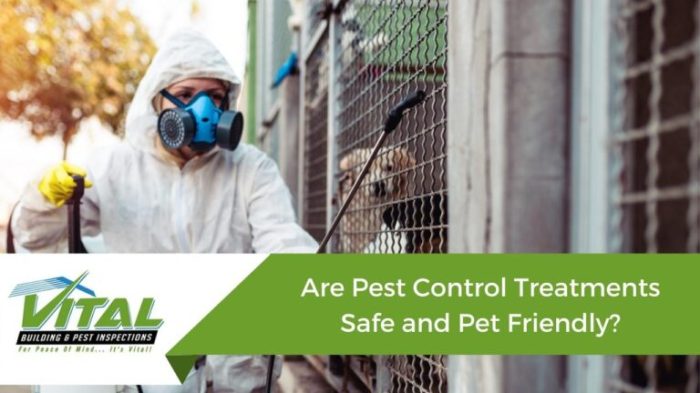
Effective pest control practices are essential for maintaining a safe and healthy home environment, especially for families with children and pets. Prioritizing safety alongside efficacy can help avoid harmful chemicals while still addressing pest issues effectively. This balance is crucial for ensuring that your home remains a haven rather than a battleground against unwelcome visitors.Regular inspections and maintenance play a significant role in preventing pest issues from arising in the first place.
By routinely checking for signs of infestations and implementing proactive measures, homeowners can significantly reduce the likelihood of pests making their way indoors. Preventive practices not only save time and money but also contribute to a healthier living environment for everyone.
Effective Pest Control Practices
Safe pest control methods are available that minimize risks to children and pets. Here are some practices that can help manage pests effectively while prioritizing safety:
- Natural Repellents: Essential oils such as peppermint, lavender, and eucalyptus can deter pests. Mixing these oils with water in a spray bottle can create a natural repellant for common insects.
- Physical Barriers: Seal cracks and gaps around windows, doors, and the foundation of your home. This simple step prevents insects from entering and reduces the need for chemical treatments.
- Traps: Non-toxic traps for rodents and insects can be effective. For example, sticky traps can catch insects without the use of harmful chemicals, ensuring safety for children and pets alike.
Regular Inspections and Maintenance
Conducting regular inspections of both the interior and exterior of your home is vital for early detection of pest issues. Establish a routine to check for signs such as droppings, nests, or damage to wood structures. Maintaining cleanliness around your home by regularly disposing of food waste and clutter can significantly deter pests. Additionally, ensuring that outdoor areas are well-maintained goes a long way in preventing pests from entering your home.
Trimmed vegetation, clean gutters, and proper drainage systems help avoid creating inviting habitats for pests.
Safe DIY Pest Control Recipes
For families who prefer to take a hands-on approach to pest control, there are several DIY recipes that utilize common household ingredients. These solutions are safe for both children and pets and can be effective against various pests.
- Vinegar Spray: A mixture of equal parts water and vinegar can be an effective deterrent for ants and some other household pests. Spray it in areas where pests are frequently seen.
- Boric Acid and Sugar Bait: Mixing boric acid with sugar creates a bait that attracts and kills ants and cockroaches. Use this mixture carefully, placing it in areas out of reach of children and pets.
- Soap Water Solution: A blend of water and a few drops of dish soap can be sprayed directly on pests like aphids and spider mites. This solution suffocates the insects while being safe for plants and pets.
By adopting these effective pest control practices, regular inspections, and safe DIY methods, families can ensure a pest-free environment that prioritizes both safety and comfort.
Home Plumbing
Plumbing issues can often be an overlooked aspect of home maintenance, yet they play a critical role in pest management. It’s essential to understand how the condition of plumbing systems can impact pest control efforts and to take proactive measures to mitigate these risks. By maintaining your plumbing effectively, you can create an environment that minimizes the chances of pest infestations.Excess moisture and leaks from plumbing systems can become a breeding ground for various pests, including insects and rodents.
Addressing these issues not only helps in keeping your plumbing functional but also significantly reduces the risk of attracting unwanted critters. Proper plumbing maintenance includes regular inspections for leaks, ensuring that all drains are functioning correctly, and making necessary repairs promptly.
Impact of Plumbing on Pest Infestations
Maintaining your plumbing system is vital to prevent pest infestations. Here are several key factors to consider regarding plumbing and pests:
- Leaky pipes create damp areas where pests thrive. Regularly inspect and repair any leaks in your plumbing to minimize moisture accumulation.
- Clogged drains can lead to standing water, an attractive environment for insects. Keep drains clear and flowing to avoid stagnant water that invites pests.
- Improperly sealed pipes and openings can provide entry points for pests. Ensure all junctions and connections are well-sealed to prevent access.
- Water accumulation from faulty plumbing can attract rodents. Address any plumbing issues swiftly to deter these pests from making a home near your plumbing systems.
Choosing Safe Plumbing Materials
When selecting materials for plumbing installations or repairs, it is crucial to choose options that do not attract or harbor pests. The following guidelines can assist in making safer choices:
- Opt for materials such as PVC or PEX, which are less likely to corrode or develop leaks compared to traditional metal pipes.
- Use non-porous materials whenever possible, as these are less likely to retain moisture that attracts pests.
- Consider using antimicrobial coatings or treatments for pipes, which can help inhibit the growth of mold and mildew, further reducing pest attractions.
Regular plumbing maintenance is not just about functionality; it’s a critical step in pest prevention.
Home Remodeling
When embarking on a home remodeling project, it’s essential to consider not only the aesthetic and functional aspects but also the safety and well-being of your children and pets. Remodeling can disturb existing pests or create new opportunities for infestations if not properly managed. Therefore, integrating pest control considerations from the very beginning of a remodeling project can prevent significant issues down the line.Pest control during remodeling involves selecting materials and designs that deter pests while ensuring safe environments for children and pets.
This proactive approach can save homeowners considerable time, effort, and expense, making it a vital component of any renovation plan.
Pest Control Considerations for Remodeling
Addressing pest control in your remodeling plans requires careful thought and strategy. Here are some considerations to keep in mind:
- Timing of the Project: Schedule renovations during seasons when pest activity is low. For instance, late fall or winter can reduce the likelihood of termites and other insects.
- Sealing Entry Points: Ensure all potential pest entry points, such as cracks and gaps in walls, are sealed off as part of your remodeling process.
- Safe Pest Control Products: Use child and pet-safe pest control methods and materials that minimize risks during and after the remodeling.
Pest-Resistant Materials and Designs
Incorporating pest-resistant materials and designs into your remodeling project can significantly reduce the risk of future infestations. Consider the following options:
- Non-Toxic Building Materials: Opt for non-toxic, sustainable materials such as reclaimed wood or bamboo, which are less appealing to pests.
- Moisture-Resistant Products: Use moisture-resistant drywall and insulation to deter mold and pest attraction.
- Landscaping Considerations: Plan your landscaping to include pest-repelling plants and avoid overhanging branches that can provide access points to your home.
Benefits of Consulting Pest Control Professionals
Engaging pest control professionals during a remodeling project offers several benefits that can enhance the safety and efficacy of your efforts:
- Expert Assessment: Professionals can identify potential pest issues specific to your home type and location, offering tailored solutions.
- Preventive Measures: They can provide guidance on preventive measures to incorporate into your remodeling plans, ensuring long-lasting protection.
- Integrated Pest Management Solutions: Experts can suggest integrated pest management solutions that are environmentally friendly and safe for your family.
“The best pest control is prevention; combining design with pest management creates a healthier home for everyone.”
End of Discussion
In conclusion, opting for child and pet-safe pest treatments not only protects your home from unwanted pests but also safeguards the health and safety of your family. By implementing these strategies and selecting appropriate pest control methods, you can create an environment that is both comfortable and secure. Remember, a pest-free home is a happy home, and with the right knowledge and tools, achieving that peace of mind is entirely possible.
Expert Answers
What are some common child and pet-safe pest treatments?
Common treatments include essential oils, diatomaceous earth, and natural deterrent sprays made from vinegar or citrus.
Are natural pest control methods as effective as chemical ones?
While natural methods may take longer to show results, they can be very effective and are safer for children and pets.
How can I prevent pests without using chemicals?
Maintaining cleanliness, sealing food containers, and proper waste disposal can significantly reduce pest attraction without chemicals.
Can I use homemade pest control solutions safely around kids and pets?
Yes, as long as you use safe, non-toxic ingredients like vinegar or baking soda, homemade solutions can be a safe option.
What should I do if my child or pet is exposed to a pest treatment?
Immediately seek medical advice and provide details about the treatment used for proper guidance on how to address the situation.


