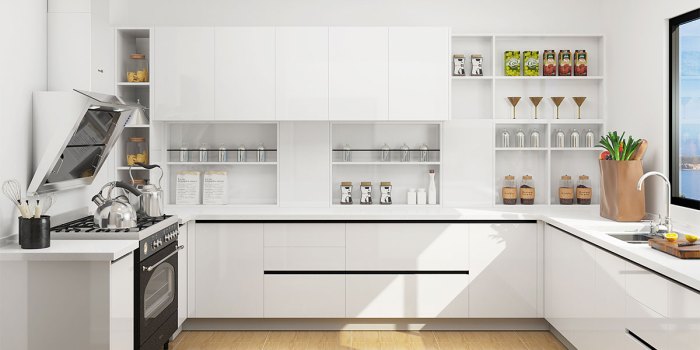
Compact kitchen layout designs are essential for making the most out of limited space while maintaining style and functionality. As urban living becomes more prevalent, the need for well-thought-out kitchen designs that optimize every inch is increasingly important. By understanding the key elements that contribute to an effective compact kitchen, you can create a space that meets your culinary needs without feeling cramped.
This guide explores popular compact kitchen layouts, innovative storage solutions, and aesthetic considerations that will transform your cooking area into an efficient and inviting environment. Whether you’re facing design challenges or looking for ways to maximize your kitchen’s potential, this overview will provide valuable insights and practical tips for achieving your dream kitchen.
Compact Kitchen Layout Designs
Compact kitchens are a growing trend in modern living, especially in urban environments where space is a premium. These layouts are designed to maximize functionality while maintaining aesthetic appeal. The essence of a compact kitchen is to create a space that is not only efficient but also comfortable and inviting. The essential elements of compact kitchen layout designs revolve around smart storage solutions, efficient workflow paths, and multifunctional furniture.
These designs often incorporate features like open shelving, slim appliances, and clever use of vertical space to ensure every inch counts. For instance, a popular design choice is the galley kitchen, which consists of two parallel counters, maximizing the use of narrow spaces. Another effective layout is the L-shaped kitchen that utilizes corner space efficiently while providing ample counter area.
Popular Compact Kitchen Layouts
When it comes to compact kitchen layouts, several popular designs have stood out for their efficiency and practicality. Each layout has unique characteristics that cater to different needs and preferences.
- Galley Kitchen: This layout features two parallel countertops, allowing for an efficient work triangle and easy movement between cooking, cleaning, and prepping areas. It’s ideal for narrow spaces.
- L-Shaped Kitchen: This design utilizes two adjacent walls to form an “L” shape, offering ample counter space and the option for an island or dining area, perfect for open-concept living.
- U-Shaped Kitchen: The U-shaped layout encompasses three walls, providing extensive counter and storage space while creating a cozy cooking environment.
- Single-Wall Kitchen: Best suited for studios or small apartments, this design places all essentials along one wall, often incorporating compact appliances to save space.
Challenges and Solutions in Designing Compact Kitchens
Designing compact kitchens presents unique challenges, primarily due to limited space and the need for multifunctionality. Common issues include cluttered countertops, insufficient storage, and the potential for overcrowding. However, there are several effective strategies to overcome these challenges.
- Maximizing Vertical Space: Installing shelves high above counters and utilizing tall cabinets can significantly enhance storage without taking up additional floor space.
- Choosing Space-Saving Appliances: Compact, integrated appliances can help streamline the kitchen’s design and improve functionality without compromising performance.
- Utilizing Multi-Functional Furniture: Incorporating tables that can double as prep surfaces or stools that can be tucked away can help keep the kitchen organized and spacious.
- Incorporating Smart Storage Solutions: Utilizing pull-out drawers, lazy Susans, and modular storage units can make it easier to keep the kitchen organized and efficient.
Efficient design does not mean sacrificing style. A well-planned compact kitchen can be both functional and aesthetically pleasing, combining smart solutions with personal touches.
Interior Design and Decorating
In the realm of compact kitchen design, the significance of interior design and decorating cannot be overstated. The right choices in color schemes, layout, and decor can transform a small kitchen into a functional and aesthetically pleasing space. Careful consideration of these elements not only enhances the overall ambiance but can also make a compact kitchen feel larger and more inviting.Color schemes play a pivotal role in influencing the perception of space within compact kitchens.
Light colors, such as whites, soft pastels, and light grays, can reflect natural light, creating an illusion of openness. Conversely, darker hues, while rich and elegant, can make a space feel more constricted if overused. It’s essential to strike a balance by incorporating pops of color through accessories or a feature wall without overwhelming the space.
Color Schemes and Their Impact
When selecting a color scheme for a small kitchen, consider the following factors:
- Reflective Surfaces: Incorporating shiny finishes such as gloss cabinets or metallic accents can enhance light reflection, further brightening the space.
- Accent Colors: Use vibrant colors in small doses—like bar stools or kitchen towels—to add personality without compromising openness.
- Monochromatic Palettes: Utilizing varying shades of a single color can create a cohesive look that visually elongates the space.
- Natural Elements: Earthy tones, such as greens and browns, can introduce warmth and a sense of calm, connecting indoors with the outdoors.
Styling Tips for Small Kitchens
Decorating small kitchens requires a strategic approach to maximize both style and functionality. Here are essential styling tips to consider:
- Minimize Clutter: Streamlined countertops and hidden storage solutions promote a clean and organized appearance. Opt for multi-functional furniture that can double as storage.
- Vertical Space Utilization: Installing open shelves or hanging pots and pans helps draw the eye upward, creating the illusion of height.
- Use of Mirrors: Mirrors can create depth and reflect light, making the kitchen feel more expansive. A mirrored backsplash or cabinet doors can achieve this effect.
- Personal Touches: Incorporate personal items like artwork or family photos to create a warm, inviting atmosphere without overcrowding the space.
Integrating Functional Decor in Limited Spaces
In a compact kitchen, functional decor can enhance both usability and aesthetics. Thoughtfully chosen decorative elements can serve practical purposes while contributing to the overall design:
- Magnetic Knife Strips: These not only free up counter space but can also become a statement piece through the display of colorful knives.
- Stylish Storage Containers: Utilize decorative jars or baskets for storing dry goods, which can add color and texture while keeping the kitchen organized.
- Decorative Cutting Boards: Displaying unique or artisanal cutting boards on the counter can act as both a functional tool and an attractive centerpiece.
- Wall-Mounted Wine Racks: Combining decor and function, these racks can become a striking feature while saving precious countertop space.
Kitchen Improvements
In the realm of compact kitchen design, maximizing space is essential for functionality and efficiency. Creative solutions can transform a small kitchen into a highly organized and enjoyable cooking area. This discussion focuses on innovative storage solutions, techniques to enhance counter space, and essential appliances that fit seamlessly into compact kitchens.
Innovative Storage Solutions for Compact Kitchens
Effective storage is vital in a compact kitchen, enabling you to keep essentials organized while minimizing clutter. Here are some innovative ideas for optimizing storage:
- Vertical Storage: Utilize wall-mounted shelves and cabinets to take advantage of vertical space. Think about adding floating shelves above countertops for easy access to spices and cooking utensils.
- Pull-Out Cabinets: Incorporate pull-out drawers or cabinets that maximize space in narrow areas. These can be perfect for storing pots, pans, and even pantry items.
- Magnetic Strips: Install magnetic strips on walls to hold metal utensils, knives, and spice containers. This keeps them visible and within reach while freeing up drawer space.
- Corner Solutions: Use corner cabinets with lazy Susans or pull-out racks to ensure that no space goes to waste. These clever designs make it easy to access items that would otherwise be hard to reach.
Maximizing Counter Space in Small Kitchens
Counter space is often a luxury in compact kitchens. Therefore, here are techniques to ensure you have enough room for food prep and other activities:
- Portable Islands: Invest in a movable kitchen island or cart that can be used as additional workspace and storage. When not in use, it can be tucked away.
- Drop-Leaf Tables: Consider a drop-leaf table that can expand when needed and be folded away when not in use. This versatility allows for additional space without permanent installation.
- Under-Cabinet Solutions: Utilize the space under cabinets by installing small shelves or hanging racks for pots and pans. This keeps essentials easily accessible and off the counter.
- Integrated Appliances: Choose appliances that are designed to fit seamlessly into cabinetry, such as under-counter microwaves or dishwashers. This helps maintain a clean and spacious countertop.
Must-Have Appliances for Compact Kitchens
Selecting the right appliances can significantly enhance the functionality of a compact kitchen. Here is a list of essential appliances that are space-efficient and versatile:
- Compact Dishwasher: A slimline or countertop dishwasher can save space while still providing efficient cleaning capabilities.
- Induction Cooktop: Induction cooktops are often more compact than traditional stoves and provide quick cooking with easy cleanup.
- Microwave Oven: A microwave that can be mounted or integrated into cabinetry can save counter space while providing essential cooking functions.
- Multi-Cooker: Devices like Instant Pots or multi-cookers can replace several appliances and are excellent for preparing a variety of meals efficiently.
- Refrigerator with Freezer Drawers: Opt for a refrigerator designed with freezer drawers, which can provide easier access to frozen items and save space in the main compartment.
Landscaping Outdoor Decorating
Creating a seamless connection between indoor and outdoor spaces can greatly enhance the experience of a compact kitchen. By thoughtfully designing landscaping elements around your kitchen, you can create a cohesive aesthetic that extends your living area outside. This not only increases the functional space available but also enriches the overall ambiance, making cooking and dining a more enjoyable experience.Outdoor areas can serve as perfect extensions of compact kitchen designs, allowing for entertaining, relaxing, and dining in a beautiful setting.
Incorporating outdoor dining experiences adjacent to a compact kitchen can significantly elevate the usability of the space. Here are some ideas to consider when creating an inviting outdoor dining setup that complements your compact kitchen:
Outdoor Dining Experience
The design of the outdoor dining area should harmonize with the compact kitchen’s style while providing comfort and functionality. Consider the following elements for a well-rounded outdoor dining experience:
- Dining Furniture: Choose weather-resistant furniture that matches the aesthetics of your indoor kitchen. A wooden table with matching chairs can create a rustic charm, while sleek metal furniture may lend a modern touch.
- Shade Solutions: Installing a pergola or using umbrellas not only provides protection from the sun but also adds structural interest to the space. This can enhance the overall decor and encourage outdoor dining, even on warmer days.
- Lighting: Incorporate ambient lighting such as string lights or lanterns to create a cozy atmosphere. This is especially important for evening gatherings, allowing the outdoor space to feel inviting and warm.
- Cooking Equipment: Consider adding a grill or an outdoor kitchen setup adjacent to your compact kitchen. This can streamline the cooking process and allow for easy serving to your outdoor dining area.
Landscaping plays a crucial role in enhancing the visual appeal of the compact kitchen setting. Thoughtful landscaping can create a peaceful oasis that complements your home’s style. Here are some landscaping ideas that can elevate the aesthetic surrounding your compact kitchen:
Landscaping Enhancements
Incorporating the right landscaping elements can create an inviting atmosphere and tie the indoor and outdoor spaces together. Here are a few landscaping ideas to enhance your compact kitchen area:
- Flower Beds: Plant colorful flower beds along pathways leading to your kitchen area. This adds vibrancy and can create a welcoming entrance.
- Raised Garden Beds: Consider having a small herb or vegetable garden nearby. This not only provides fresh ingredients for your cooking but also adds greenery and life to the landscape.
- Pathways: Create decorative pathways using stones or pavers that guide guests from the kitchen to the outdoor dining area. This enhances flow and can be aesthetically pleasing as well.
- Water Features: A small fountain or pond can add a soothing element to your outdoor space, creating a tranquil environment for dining and relaxation.
- Vertical Gardens: If space is limited, vertical gardens or wall-mounted planters can introduce greenery without taking up much ground space, tying the kitchen and landscape together beautifully.
By integrating thoughtful landscaping and outdoor dining elements, you can create a seamless and enjoyable experience that perfectly complements your compact kitchen design. This outdoor enhancement not only adds value to your home but also provides a beautiful backdrop for culinary adventures and gatherings.
Home Lighting
Proper lighting is essential in compact kitchen designs, as it enhances not only the visual appeal but also the functionality of the space. In smaller kitchens, where every square inch counts, the right lighting can create an illusion of space and make cooking and entertaining more enjoyable. By integrating various lighting strategies, homeowners can achieve a well-lit environment that feels open and inviting.Layered lighting is a powerful technique that combines different types of lighting to achieve a balanced atmosphere.
In compact kitchens, incorporating ambient, task, and accent lighting can significantly enhance both the aesthetic and practical aspects of the space. Ambient lighting serves as the primary light source, task lighting focuses on work areas, and accent lighting highlights features or decorations. Balancing these layers effectively can maximize both brightness and mood, making the kitchen a welcoming space for various activities.
Strategies for Layered Lighting
Implementing layered lighting in compact kitchens involves strategic placement and selection of fixtures. Here are some effective approaches:
Ambient Lighting
This is the foundation of your kitchen’s lighting scheme. Ceiling-mounted fixtures such as flush mounts or recessed lights provide even illumination throughout the space. For compact kitchens, consider LED recessed lighting to maintain a sleek profile without occupying visual space.
Task Lighting
Focused lighting is crucial for areas such as countertops and cooking zones. Under-cabinet lights, either in the form of LED strips or puck lights, are excellent options. They not only illuminate work surfaces but also enhance the depth of cabinetry, creating a more spacious feel.
Accent Lighting
Adding features such as pendant lights over an island or decorative wall sconces can provide visual interest and warmth. Opt for fixtures with reflective surfaces that can bounce light around, further enhancing the overall brightness.
Smart Lighting
Incorporating smart lighting systems allows for flexibility in brightness and color temperature. This adaptability is particularly beneficial in compact kitchens, where different activities may require varying lighting conditions.
Comparison of Lighting Fixtures
Selecting the right fixtures is crucial for compact kitchen designs. Below is a comparison of various lighting options that work well in limited spaces:
| Fixture Type | Description | Pros | Cons |
|---|---|---|---|
| Recessed Lights | Installed into the ceiling, providing unobtrusive illumination. | Space-saving, versatile, and suitable for ambient lighting. | Installation can be complex; requires ceiling access. |
| Under-Cabinet Lights | Lights mounted beneath cabinets to shine directly on countertops. | Effective task lighting, adds depth to cabinetry. | Limited reach; may require multiple units for larger spaces. |
| Pendant Lights | Hanging fixtures that provide focused light, ideal for islands. | Adds style and can serve as focal points; variety of designs available. | Requires adequate ceiling height; can overwhelm small spaces if oversized. |
| Track Lighting | Flexible lighting system allowing multiple fixtures on a single track. | Adjustable directionality and focal points; modern aesthetic. | Can be visually busy; requires careful placement to avoid clutter. |
The appropriate choice of lighting fixtures can transform a compact kitchen into a bright, functional, and visually appealing space. By understanding the advantages and limitations of various lighting options, homeowners can create a personalized lighting scheme that suits their lifestyle and complements their kitchen design.
New Construction

When planning a compact kitchen in new constructions, several essential considerations come into play that can significantly impact both functionality and aesthetics. Compact kitchens require careful planning to make the most of limited space, ensuring that every element contributes to an efficient and stylish environment. This is especially crucial in new builds where layout choices can be tailored from the ground up to meet specific needs and preferences.
Essential Considerations for Compact Kitchens
Prior to finalizing the design, it’s important to evaluate various factors that will influence the compact kitchen layout. These considerations can streamline the planning phase and enhance the overall design.
- Space Utilization: Every inch counts in a small kitchen. Incorporate built-in appliances and utilize vertical space with cabinetry that reaches the ceiling.
- Workflow Efficiency: Aim for the classic work triangle layout (the relationship between the stove, sink, and refrigerator) for optimal workflow.
- Lighting: Incorporate both natural and artificial lighting to make the space feel larger. Use under-cabinet lighting for additional brightness.
- Ventilation: Ensure proper ventilation is included in the planning to avoid cooking odors and maintain air quality.
Integrating Open Concepts with Compact Kitchen Layouts
Open-concept designs can greatly enhance the feel of a compact kitchen by creating a sense of spaciousness. Integrating these concepts requires thoughtful planning and design choices that allow for a seamless flow between the kitchen and adjacent living areas.
- Room Flow: Design the kitchen layout to encourage movement between spaces. Consider an island or a peninsula that serves as both a workspace and a dining area.
- Consistent Design Elements: Use a cohesive color palette and materials that connect the kitchen to the living area, helping to visually expand the space.
- Multi-functional Furniture: Select furniture that serves multiple purposes, such as a dining table that can double as additional prep space.
- Open Shelving: Use open shelving instead of bulky cabinets to maintain an airy feel while providing easy access to kitchen items.
Selecting Materials for Efficiency and Style
The choice of materials in a compact kitchen can significantly influence both its efficiency and style. Selecting the right materials ensures that the kitchen remains functional while also reflecting personal aesthetic preferences.
- Countertop Choices: Opt for durable materials like quartz or granite which are not only stylish but also resistant to heat and stains.
- Flooring: Choose slip-resistant and easy-to-clean flooring options like porcelain tiles or vinyl to withstand the demands of a kitchen.
- Cabinet Materials: Consider lightweight materials or composite woods that provide a sleek appearance without adding bulk.
- Backsplashes: Utilize reflective materials such as glass or glossy tiles to create depth and brighten the space.
Thoughtful planning and careful material selection can transform even the smallest of kitchens into a stylish and functional culinary haven.
Home Painting
The art of home painting plays a crucial role in shaping the ambiance of any space, especially in compact kitchens where every detail counts. The choice of paint colors and finishes can drastically affect how a kitchen feels, making it appear larger, brighter, or more inviting. By understanding the psychological effects of color and selecting the right finishes, homeowners can enhance their compact kitchen layouts effectively.The influence of paint colors on the perception of space in compact kitchens is profound.
Lighter hues such as whites, soft pastels, and light grays tend to reflect more light, creating an airy and open feeling. On the other hand, darker colors can make a space feel cozy but may also close it in if not balanced properly with adequate lighting. Neutral colors are particularly effective in maintaining a sense of spaciousness while allowing for the incorporation of colorful accents through kitchenware or decor.
Guidelines for Selecting Finishes
Choosing appropriate finishes for kitchen surfaces is essential as they must withstand the rigors of daily use while also complementing the overall design aesthetic. The following guidelines will assist in making the best selections:
- Durability: Opt for finishes that are resistant to stains, moisture, and heat. For example, satin or semi-gloss finishes are often recommended for kitchen walls and cabinetry as they are easier to clean.
- Sheen Level: The sheen of the paint plays a significant role in how light interacts with surfaces. Higher sheen levels reflect more light, which can brighten a compact kitchen.
- Color Consistency: Ensure that paint colors are consistent across different surfaces, such as walls, cabinets, and trim, to maintain a cohesive look.
- Eco-Friendly Options: Consider using low-VOC (volatile organic compounds) paints to improve indoor air quality, especially in small spaces where ventilation may be limited.
Current Trends in Kitchen Painting Techniques
In modern interior design, certain painting techniques are gaining traction, especially for compact kitchens looking to make a statement. These trends enhance the spatial perception and overall aesthetics of smaller layouts:
- Two-Tone Painting: This technique involves using two different colors on the upper and lower sections of the walls, which creates a visual divide and can help draw the eye upward, enhancing the feeling of height.
- Accent Walls: Designating one wall as an accent wall with a bold color or pattern can add depth and interest without overwhelming the space.
- Ombre Effects: Gradually blending colors from light to dark can create a stunning visual effect that adds dimension to a compact kitchen.
- Textured Finishes: Incorporating textured paint or specific techniques like sponging or rag rolling can add character and hide imperfections while enhancing the tactile quality of the space.
Utilizing thoughtful painting strategies can transform compact kitchens into stylish and functional spaces that feel much larger than their actual footprint.
Patio Deck
In today’s compact living spaces, a patio deck serves as a remarkable extension of the kitchen, seamlessly blending indoor and outdoor environments. Utilizing this area not only enhances the usability of your home but also provides an inviting atmosphere for cooking and entertaining. A well-designed patio deck can create a functional space that complements your compact kitchen, allowing for extended dining and cooking experiences.The patio deck can be transformed into an outdoor cooking haven that mirrors the style and functionality of your indoor kitchen.
When designing this space, consider incorporating elements that are both practical and stylish, ensuring a cohesive flow between the two areas. A few key features can enhance the outdoor cooking experience while maintaining the charm of your compact kitchen.
Outdoor Cooking Space Design Ideas
An outdoor cooking area can significantly expand the usability of your home. Here are essential design ideas that can complement your compact kitchen while maximizing functionality:
- Outdoor Kitchen Stations: Build an outdoor kitchen equipped with a grill, sink, and preparation area. Using materials like stainless steel or durable stone that match your indoor kitchen can enhance the aesthetic appeal.
- Counter Space: Include ample countertop space for food preparation. A bar-height counter can serve dual purposes as a cooking area and seating space for casual dining.
- Integrated Storage: Opt for weatherproof cabinets or open shelving to store outdoor cooking essentials. This keeps items easily accessible while maintaining organization.
- Shade Solutions: Consider adding a pergola or retractable awning to provide shade and comfort during hot days. This element can help create a cozy ambiance similar to your indoor kitchen.
- Lighting Features: Install ambient lighting like string lights or lanterns to ensure your patio deck is usable after sunset. This adds warmth and charm, making it an inviting space for evening gatherings.
Furniture Enhancements for Patio and Kitchen Integration
Choosing the right furniture can bridge the gap between your kitchen and patio, enhancing functionality and comfort. The following furniture options can easily transition from indoor to outdoor use, making them perfect for both environments:
- Convertible Dining Tables: Look for tables that can expand or be folded away. This flexibility allows you to adapt to different occasions, whether it’s a family dinner or a gathering with friends.
- Bar Stools: Utilize bar stools that match your kitchen’s design and can be used at both the kitchen counter and outdoor bar area. This creates a consistent look throughout the space.
- Outdoor Sofas: Choose weather-resistant sofas with cushions that reflect your kitchen decor. This brings a cohesive style to both spaces while providing comfort for outdoor entertaining.
- Storage Benches: Incorporate benches that offer both seating and storage. They can keep outdoor utensils and cushions handy while also serving as additional seating during gatherings.
- Portable Cooking Equipment: Consider portable grills or pizza ovens that can be easily moved between the patio and kitchen. This allows for versatile cooking options and makes outdoor cooking effortless.
“Creating a harmonious connection between your indoor kitchen and patio deck will enhance your home’s functionality, making culinary adventures more enjoyable and social.”
Pest Control
Compact kitchens, while efficient and space-saving, can sometimes become a hotspot for pests due to their limited space and clutter. Effective pest control is essential to maintain a hygienic environment and ensure that your cooking area remains a safe place for food preparation. With the right strategies, you can prevent infestations before they start and address any issues promptly should they arise.Common pest issues in small kitchen spaces often include ants, cockroaches, mice, and flies.
These pests are attracted to food residues, clutter, and dark corners where they can hide. To effectively manage and prevent these nuisances, it’s important to adopt proactive measures. A clean and organized kitchen not only enhances your cooking experience but also reduces the likelihood of pests finding a home in your space.
Pest-Proofing Strategies for Compact Kitchens
Implementing pest-proofing strategies is vital for maintaining a pest-free kitchen. The following tips can help you secure your kitchen against unwanted intruders:
- Seal Cracks and Gaps: Inspect the kitchen for any cracks or gaps in walls, around windows, and doors. Use caulk or weather stripping to seal these openings, preventing pests from entering.
- Store Food Properly: Keep all food items in airtight containers. This not only preserves freshness but also deters pests seeking food sources.
- Regular Cleaning: Maintain a routine cleaning schedule to eliminate food crumbs and spills. Pay special attention to under appliances and countertops where food particles may accumulate.
- Proper Waste Management: Use a trash can with a tight-fitting lid and dispose of waste regularly. Clean the trash area to avoid attracting pests.
- Limit Clutter: Minimize items on countertops and within cabinets. Pests love to hide in cluttered spaces, so keeping your kitchen organized is essential.
Common Pest Issues and Solutions
Addressing common pest issues promptly is crucial for maintaining a healthy kitchen environment. Here are some prevalent pests and effective methods for dealing with them:
- Ants: If you notice ants, investigate the trails they leave to find their entry point. Use a mixture of vinegar and water to clean surfaces and deter them.
- Cockroaches: These pests can multiply quickly. Setting traps and ensuring cleanliness can help manage a minor infestation. If necessary, seek professional pest control assistance.
- Mice: Store all food in sealed containers and ensure that any potential nesting sites are eliminated. Use mouse traps in areas where you notice activity.
- Flies: Keep windows and doors closed or install screens. Remove any food waste promptly, as flies are attracted to decomposing matter.
Checklist for Maintaining Cleanliness and Hygiene
Creating a checklist can help maintain cleanliness in your compact kitchen and prevent pest infestations. Consider the following essential items:
- Daily: Wipe down countertops and tables after use, sweep the floor, and take out the trash.
- Weekly: Clean appliance surfaces, check for expired food items, and sanitize the sink and drains.
- Monthly: Deep clean behind and under appliances, inspect for signs of pests, and declutter cabinets and drawers.
- Seasonally: Review pest prevention strategies, such as sealing entry points, and consider professional pest control inspections.
“An ounce of prevention is worth a pound of cure” when it comes to pest control in your kitchen.
Home Plumbing
When designing a compact kitchen, plumbing is a critical element that often requires special attention. It’s essential to consider the layout and functionality of plumbing systems to maximize efficiency while minimizing space. This includes selecting appropriate fixtures and ensuring proper maintenance to avoid plumbing issues that could disrupt daily kitchen activities.Compact kitchen designs necessitate innovative plumbing solutions that can fit within the limited space without compromising performance.
Space-saving plumbing fixtures play a vital role in achieving this balance, as they are designed to offer full functionality while occupying minimal space.
Space-Saving Plumbing Fixtures
Utilizing space-saving plumbing fixtures can significantly enhance the usability of compact kitchens. The following options are ideal for small kitchen designs, allowing you to make the most out of limited space:
- Wall-Mounted Faucets: These faucets save counter space and are perfect for small sinks, offering easy access for cleaning and food preparation.
- Compact Sinks: Choosing a smaller sink design, such as a corner sink or a single-bowl sink, can free up valuable counter area while still providing essential functionality.
- Low-Profile Toilets: If your kitchen integrates a small restroom, low-profile toilets can save space compared to traditional designs.
- Pull-Down Sprayers: A pull-down sprayer faucet not only saves space but also adds versatility for rinsing dishes and cleaning the sink.
- Flexible Plumbing Hoses: These hoses can be bent and maneuvered to fit tight spaces, making them ideal for compact kitchen layouts.
Selecting fixtures that suit your compact kitchen will not only enhance its aesthetic appeal but also ensure that every inch is utilized effectively.
Maintenance Tips for Plumbing Systems
Proper maintenance of plumbing systems in compact kitchens is essential to prevent clogs and leaks that can lead to significant inconveniences. Here are several maintenance tips to keep your plumbing in top condition:
- Regular Inspections: Periodically check all plumbing fixtures for leaks and signs of wear. Early detection can save you from larger issues down the road.
- Clear Drains: Use a mixture of baking soda and vinegar to keep drains clear. This natural solution can help prevent buildup without the harsh chemicals.
- Maintain Water Pressure: Monitor your water pressure regularly to ensure it remains at a safe level. High pressure can strain pipes and lead to failures.
- Use Drain Screens: Installing screens over drains can help catch food particles and debris, preventing clogs in the plumbing system.
- Professional Maintenance: Schedule periodic inspections and maintenance from a qualified plumber to ensure that all systems are functioning properly.
Incorporating these maintenance practices into your routine will not only prolong the lifespan of your plumbing system but also enhance the overall efficiency of your compact kitchen.
Home Remodeling
Remodeling a compact kitchen can be a fulfilling project that enhances both functionality and aesthetics. Given the limited space, it’s crucial to adopt a strategic approach to ensure the kitchen meets your needs while maximizing efficiency. When embarking on a kitchen remodel, focusing on effective design and layout is essential. Start by analyzing your existing space and identifying problem areas, such as lack of storage or outdated appliances.
Consider integrating modern elements like open shelving, which creates an illusion of space while providing practical storage solutions.
Process of Remodeling a Compact Kitchen
The remodeling process for a compact kitchen typically follows a series of systematic steps to ensure a successful outcome.
1. Assessment and Planning
Begin by assessing the current kitchen layout and functionality. Identify what works and what doesn’t, and make a list of priorities for the remodel.
2. Designing the Layout
Utilize design software or sketches to visualize your new kitchen. Focus on creating a layout that enhances workflow, often referred to as the “kitchen work triangle.”
3. Selecting Materials
Choose materials that are durable and suitable for a small space. Light-colored cabinetry and reflective surfaces can help make the kitchen feel larger.
4. Hiring Professionals
If your project requires structural changes or plumbing work, it’s wise to hire professionals such as contractors or interior designers who specialize in compact spaces.
5. Execution
Oversee the remodeling process, ensuring that the work aligns with your vision and adheres to timelines and budgets.
Design Trends in Kitchen Remodeling for Smaller Spaces
Design trends play a significant role in enhancing the appeal of compact kitchens. Here are some trends that suit smaller spaces effectively:
Minimalist Design
Focus on simplicity with clean lines and uncluttered surfaces which can make a small kitchen feel more spacious.
Multi-functional Furniture
Incorporating furniture that serves multiple purposes, such as an island that doubles as a dining area, saves space and adds functionality.
Smart Storage Solutions
Use pull-out cabinets, under-shelf baskets, and drawer organizers to maximize storage without taking up additional floor space.
Bold Colors and Patterns
Don’t shy away from bold backsplash designs or colorful cabinets. Vibrant colors can add personality and warmth to compact kitchens without overwhelming them.
Integrated Appliances
Opt for built-in appliances that blend seamlessly with cabinetry to create a streamlined look.
Budgeting for a Compact Kitchen Remodel
Establishing a realistic budget is crucial for a successful kitchen remodel. A well-planned budget will help avoid unexpected costs and ensure that you can achieve your desired outcome without financial strain. When budgeting, consider the following elements:
Prioritize Your Needs
Identify which elements of the remodel are most important to you, such as new cabinetry, appliances, or flooring. Allocate funds accordingly.
Set a Contingency Fund
Unexpected expenses often arise during remodeling projects. It’s advisable to set aside 10-15% of your total budget as a contingency fund.
Research and Compare Costs
Gather quotes from multiple contractors and suppliers. Research materials to find the best combination of quality and affordability.
DIY Where Possible
Consider completing minor tasks yourself, such as painting or installing fixtures, to save on labor costs.
Track Your Spending
Keep detailed records of all expenses throughout the project to ensure you stay within budget.Effective kitchen remodeling in compact spaces combines creativity with practicality, ensuring that every square inch serves a purpose while reflecting your personal style.
Outcome Summary
In summary, mastering compact kitchen layout designs allows you to turn small spaces into culinary havens filled with style and efficiency. By implementing the strategies discussed, you can tackle common design challenges while ensuring that your compact kitchen remains functional and aesthetically pleasing. Embrace the creativity that compact living demands, and watch your kitchen transform into a space that truly reflects your lifestyle.
Quick FAQs
What are the best colors for compact kitchens?
Light colors like whites, soft pastels, and light grays can create an illusion of space and make small kitchens feel more open.
How can I maximize storage in a compact kitchen?
Utilize vertical space with shelves, cabinets that reach the ceiling, and multi-functional furniture that offers hidden storage.
What are some must-have appliances for a small kitchen?
A compact dishwasher, a combination microwave and oven, and a refrigerator with a freezer on the bottom are great space-saving options.
How can I incorporate lighting effectively in a small kitchen?
Use layered lighting, including ambient, task, and accent lighting, to create a well-lit and inviting atmosphere.
What are some decorating tips for small kitchens?
Choose decor that reflects your style without cluttering the space, and use mirrors to enhance light and depth.


