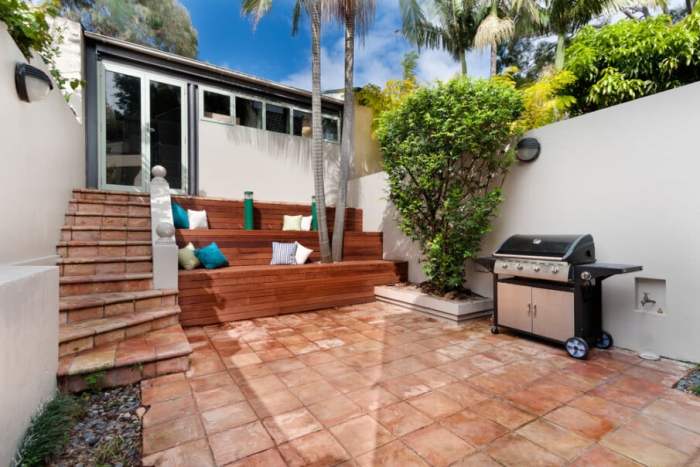
Deck and patio combo ideas are a fantastic way to enhance your outdoor living experience, blending style and functionality seamlessly. Imagine a beautiful outdoor oasis where you can relax, entertain, and soak up the sun, all while enjoying the best features of both a deck and a patio.
Combining these two outdoor elements not only maximizes space but also allows for creative design possibilities. Whether you’re looking to build a cozy nook for intimate gatherings or a spacious area for family barbecues, exploring the numerous materials and design inspirations can help you create an inviting atmosphere.
Deck and Patio Combo Ideas
Combining a deck and patio can elevate your outdoor living space, creating an area that is both functional and stylish. This integration not only maximizes available space but also enhances the aesthetic appeal of your home. The seamless transition between a deck and patio can provide various zones for relaxation, entertainment, and dining, catering to diverse outdoor activities and gatherings.
The combination of a deck and patio allows homeowners to utilize different materials and designs to suit their personal style and needs. By choosing the right materials, you can ensure durability while also achieving a cohesive look throughout your outdoor area. Here are some materials that work well for deck and patio combinations.
Materials for Deck and Patio Combinations
Selecting the appropriate materials is crucial for ensuring longevity and visual appeal in your deck and patio design. Some popular materials to consider include:
- Wood: Traditional and warm, wood can create a rustic charm. Pressure-treated lumber or hardwood like mahogany and teak are excellent choices for their resilience and beauty.
- Composite Decking: Made from a mix of wood fibers and plastic, composite decking is low-maintenance and resistant to fading, splintering, and insects, making it perfect for busy homeowners.
- Concrete: This versatile material can be poured and shaped to create unique designs. Stamped or stained concrete can mimic the look of stone or tile, offering a modern touch.
- Stone or Pavers: Natural stone or interlocking pavers can provide a luxurious feel. They are durable and offer a variety of colors and textures to choose from.
- Tile: Outdoor tiles are an excellent choice for patios due to their durability and aesthetic variety. They come in numerous styles, from classic to contemporary, enhancing visual appeal.
The choice of materials can significantly influence the overall look and feel of your outdoor space. It’s essential to consider factors like climate, maintenance requirements, and budget when selecting materials for your deck and patio combo.
Design Inspirations for Seamless Transitions
Creating a smooth transition between your deck and patio can lead to a harmonious outdoor environment. Here are some design inspirations to consider:
- Flowing Design: Use the same or complementary materials for both the deck and patio. For example, a wooden deck can flow into a stone patio for a cohesive look.
- Leveling: Design the deck and patio at the same height to create an expansive feel. This approach allows for unimpeded movement between the two areas.
- Color Coordination: Choose a color palette that harmonizes with your home’s exterior. Neutral tones can offer a classic feel, while bold colors can make a statement.
- Integrated Landscaping: Use planters or garden beds along the edges of the deck and patio to blur the lines between the two spaces, enhancing the natural feel.
- Outdoor Rugs: Place an outdoor rug that spans both areas, visually linking the deck and patio, while also adding comfort underfoot.
Innovative design elements can transform your outdoor area into a captivating space for relaxation and entertainment. Whether through the choice of materials or thoughtful design integration, a well-planned deck and patio combo can enhance your outdoor living experience.
Interior Design and Decorating
Outdoor spaces can significantly influence interior design choices by creating a harmonious flow between the inside and outside of a home. When designing interior spaces, it’s essential to consider how these areas visually and functionally connect. The use of similar materials, colors, and styles can make both spaces feel like extensions of one another, enhancing the overall ambiance and usability of the home.Color palettes play a crucial role in achieving this synergy between indoor and outdoor areas.
By choosing shades that reflect the hues found in nature or those present in outdoor furnishings, homeowners can create cohesive visual narratives. For instance, earthy tones such as greens, browns, and muted blues can evoke a tranquil outdoor setting, while brighter colors like cheerful yellows and vibrant oranges can bring a sense of energy from the outside world into the home.
Color Palettes for Indoor and Outdoor Harmony
Selecting a color palette that complements both indoor and outdoor areas is key to a unified aesthetic. Here are some examples of color combinations that work beautifully together:
- Soft Neutrals and Pastels: Shades of beige, soft pink, and pale blue can create a serene environment that mimics the softness of blooming flowers and gentle skies.
- Deep Earth Tones: Rich browns, burnt oranges, and forest greens can echo the natural elements found in gardens and wooded landscapes, providing warmth and connection to nature.
- Oceanic Blues and Whites: Light blues paired with crisp whites can reflect coastal vibes, making spaces feel fresh and breezy, perfect for homes near beaches or water bodies.
- Bold Jewel Tones: Deep emeralds, ruby reds, and sapphire blues can add vibrancy, reminiscent of lush foliage and colorful flowers, making any space feel lively and inviting.
Furniture Styles Bridging Indoor and Outdoor Aesthetics
Choosing furniture that seamlessly transitions between indoor and outdoor settings is vital for maintaining a cohesive design. Here are some furniture styles that effectively bridge these two spaces:
- Wicker or Rattan: This classic material works well both indoors and out, offering a casual elegance that can be dressed up with cushions and throws.
- Metal Accents: Furniture with metal frames, such as aluminum or steel, provides durability for outdoor use while maintaining a modern look that fits indoors.
- Wooden Elements: Natural wood furniture can bring warmth to both settings, and when treated for weather resistance, it can withstand outdoor conditions beautifully.
- Multi-functional Pieces: Items like ottomans that serve as both seating and storage can function beautifully in both environments, making them practical for limited spaces.
“Creating a bridge between indoor and outdoor spaces elevates the design experience, making each area feel connected and thoughtfully curated.”
Kitchen Improvements
Enhancing your kitchen can create a seamless connection between indoor and outdoor living spaces, especially when paired with a well-designed deck and patio. The right kitchen improvements not only elevate your culinary experience but also allow for breathtaking views and functional outdoor spaces. Here are some ideas that effectively merge kitchen aesthetics with outdoor enjoyment.
Kitchen Designs that Enhance Views
Designing your kitchen to maximize views of the deck and patio is essential for creating a cohesive living environment. This integration can transform your cooking space into a scenic haven. Key design features include:
- Open Floor Plans: An open layout eliminates barriers, allowing natural light to flood the kitchen while providing an unobstructed view of the outdoor area.
- Large Windows or Sliding Glass Doors: Floor-to-ceiling windows or expansive sliding doors can serve as a visual bridge between the interior and exterior spaces, inviting the outdoors in.
- Glass Railings on Decks: Opting for glass railings around the deck allows for an uninterrupted view of the surroundings, enhancing the appeal of both the kitchen and the outdoor area.
Outdoor Kitchen Ideas for Deck and Patio Combinations
An outdoor kitchen complements your deck and patio by providing a functional space for cooking and entertaining. These concepts ensure that your outdoor kitchen harmonizes with the overall design:
- Built-in Grills: A high-quality built-in grill creates a focal point in your outdoor kitchen, making it perfect for barbecues and gatherings.
- Counter Space for Food Preparation: Incorporating countertops with weather-resistant materials allows for easy meal prep and serving outdoors, enhancing the dining experience.
- Refrigeration: Adding an outdoor refrigerator keeps drinks and ingredients within easy reach, making entertaining convenient and enjoyable.
Integrating Outdoor Dining Areas with Indoor Kitchen Layouts
Creating a seamless flow between indoor kitchens and outdoor dining areas is vital for enhancing social gatherings. Here are some strategies for integration:
- Matching Decor and Materials: Utilizing similar materials and color palettes in both spaces can create a harmonious design, making the transition between areas feel natural.
- Direct Access: Designing an outdoor dining area with direct access from the kitchen allows for easy serving and enhances the overall dining experience.
- Consistent Lighting: Using similar lighting fixtures in both areas can create a cohesive ambiance, ensuring that both the indoor and outdoor dining experiences are equally inviting.
“A well-designed kitchen doesn’t just focus on functionality; it enhances the lifestyle of its occupants, bridging indoor comfort with outdoor beauty.”
Landscaping Outdoor Decorating
Enhancing the visual appeal of your deck and patio areas can transform your outdoor spaces into stunning retreats. Landscaping plays a crucial role in creating a harmonious connection between your indoor and outdoor environments. By utilizing various landscaping techniques, selecting the right plants, and incorporating decorative elements, you can elevate the beauty of your outdoor living space.Landscaping techniques can significantly enhance the appearance of deck and patio areas, making them more inviting and visually appealing.
Consider the following methods for effective landscaping around your outdoor spaces:
Landscaping Techniques
One effective technique is the use of layered planting, which involves arranging plants at different heights to create depth and interest. This can be achieved by positioning taller plants at the back, medium plants in the middle, and shorter plants at the front, making for a visually balanced arrangement. Another approach is to define the area using hardscaping elements such as stone pathways, decorative gravel, or raised beds that frame the deck or patio.
Incorporating these elements helps to establish boundaries and provides a structured look.Additionally, the use of vertical gardens or trellises can add dimension and create a lush backdrop for your deck and patio. Climbing plants like ivy or flowering vines can be trained to grow on these structures, enhancing the aesthetic appeal while maximizing space.
Plant Selections
Choosing the right plants is crucial for thriving landscapes near decks and patios. Opt for plants that not only complement your outdoor design but also flourish in the specific light and moisture conditions of your area. Here are some popular options:
- Perennials: Plants like lavender, daylilies, and hostas provide long-lasting beauty with minimal upkeep.
- Herbs: Consider incorporating culinary herbs such as rosemary, basil, and mint, which can thrive in pots and offer both fragrance and functionality.
- Ornamental Grasses: Species like feather reed grass and blue fescue add texture and movement to your landscape.
- Flowering Shrubs: Use shrubs like hydrangeas or azaleas to create vibrant splashes of color and year-round interest.
These selections not only enhance the visual appeal but also attract beneficial wildlife, such as butterflies and bees, creating a lively atmosphere around your deck or patio.
Incorporating Decorative Elements
Incorporating decorative elements into your landscaping can elevate the overall ambiance of your outdoor spaces. Fountains and sculptures are excellent choices that can serve as focal points. When selecting a fountain, consider styles that coordinate with your deck or patio’s theme. A modern stainless steel fountain may suit a contemporary setting, while a classic stone fountain complements traditional designs. The calming sound of running water not only adds tranquility but also masks unwanted noise from the surrounding area.Sculptures can also add a unique artistic touch to your landscaping.
Choose pieces that reflect your personal style and are weather-resistant. Positioning sculptures near seating areas can create visual interest and serve as conversation starters.
“The right combination of plants and decorative elements can create a serene and inviting outdoor retreat.”
By utilizing these landscaping techniques, selecting appropriate plants, and incorporating decorative elements, you can create a cohesive and beautiful outdoor space that enhances your deck and patio experience.
Home Lighting
Creating the perfect outdoor living space often hinges on effective lighting solutions that enhance both functionality and ambiance. Lighting not only sets the mood for evening gatherings but also ensures safety for those navigating your deck and patio areas. From stylish string lights to practical fixtures that illuminate pathways, understanding the various lighting options can transform your space into a welcoming retreat.When selecting lighting for your deck and patio, consider both aesthetic and practical elements.
The right mix of decorative and functional lighting can elevate the overall experience while ensuring safety and usability during nighttime. Below are several options to enhance your outdoor living area.
Lighting Solutions for Deck and Patio Spaces
A variety of lighting solutions can be employed to create a captivating atmosphere while providing necessary illumination for safety. Here are some effective ideas to consider:
- String Lights: These versatile lights can be draped across railings, hung from trees, or strung along awnings. They provide a warm, inviting glow that is perfect for social gatherings.
- Lanterns: Available in various styles, lanterns can be placed on tables or hung from hooks. They offer a charming rustic aesthetic and can be powered by batteries, solar energy, or traditional bulbs.
- Wall Sconces: Mounted on walls or fences, these fixtures provide targeted lighting that enhances safety while adding a decorative element to the space.
- Pathway Lights: Solar or low-voltage lights along walkways improve visibility and create a welcoming atmosphere as guests approach your home.
- Deck Lights: Recessed lights or post cap lights can be installed on deck railings and steps to illuminate the area effectively, ensuring safe navigation.
Incorporating these lighting solutions creates a harmonious blend of beauty and utility, allowing you to enjoy your outdoor space day and night.
Creating Ambiance with Decorative Lighting
Decorative lighting plays a crucial role in establishing the desired ambiance for your deck and patio. The following ideas can help enhance the mood of your outdoor space:
- Use of Warm Bulbs: Opt for warm white or soft yellow bulbs to create a cozy atmosphere that invites relaxation and conversation.
- Layered Lighting: Combine different types of lights, such as string lights, lanterns, and spotlights, to create depth and visual interest in your outdoor setting.
- Dimmer Switches: Installing dimmer switches allows you to adjust the brightness to match the occasion, whether it’s a romantic dinner or a lively gathering with friends.
- Accentuate Features: Use focused lighting to highlight specific elements, like artwork, plants, or architectural details, to draw attention and create focal points.
Incorporating these ideas will help you establish a warm and inviting atmosphere that enhances your outdoor enjoyment.
Importance of Functional Lighting for Safety and Navigation
Functional lighting is essential for ensuring safety and ease of navigation around your deck and patio. Without adequate lighting, trips and falls can become a concern, particularly in darker areas. Here are some aspects to consider:
- Step and Railing Illumination: Illuminate stairs and railings with dedicated lighting to reduce risk and provide clear visibility.
- Clear Pathways: Ensure walkways are well-lit to guide guests safely throughout your outdoor space.
- Lighting Controls: Utilize motion sensors or timers to ensure lights are activated when needed, enhancing security and convenience.
- Bright Entry Points: Ensure that entrances and exits are well-lit to welcome guests and provide a sense of security.
Implementing functional lighting solutions not only enhances safety but also contributes to a more enjoyable outdoor experience, allowing you to fully embrace your deck and patio spaces.
New Construction
When it comes to incorporating a deck and patio combo in new homes, several key considerations come into play. This section will address the essentials of planning and executing outdoor living spaces, ensuring that they are both functional and appealing. Building a deck and patio as part of your new construction can enhance your home’s value and provide a fantastic space for relaxation and entertainment.Constructing a deck and patio combo requires careful planning and an understanding of local regulations.
Before you start designing your outdoor space, it’s essential to check zoning laws and obtain the necessary permits. Each region has specific requirements that dictate the size, placement, and materials allowed for outdoor structures. This knowledge will not only help you avoid legal issues but also guide your design choices to ensure that they adhere to local building codes.
Zoning Regulations and Permits
Zoning regulations and permits play a crucial role in the planning of your deck and patio combo. Understanding these requirements is vital for a smooth construction process. Here are some key points to consider:
- Setback Requirements: Many areas have specific setback requirements that dictate how far your deck and patio must be from property lines. This ensures that structures do not encroach on neighboring properties.
- Height Restrictions: Some jurisdictions impose height restrictions on decks to maintain the aesthetic of the neighborhood. Make sure your design complies with these limits.
- Materials and Design Approval: In some cases, you may need to submit your design plans for approval, especially if you live in a community with an HOA. This could include specifications on materials to be used.
- Building Permits: Before construction, obtaining a building permit is often necessary. This will require submitting your plans for review and potentially undergoing inspections during and after construction.
Design Trends for Outdoor Living Spaces
In recent years, outdoor living spaces have become a popular trend in new construction, reflecting a shift toward more integrated indoor-outdoor lifestyles. Designing a deck and patio combo means embracing these trends, which can greatly enhance the functionality and appeal of your home. Here are some prominent design trends to consider:
- Seamless Transitions: Homeowners are increasingly favoring designs that create a seamless flow between indoor and outdoor spaces. This could include large sliding glass doors that open up to the patio and deck area, blurring the lines of separation.
- Multi-Functional Areas: Modern outdoor spaces are often designed for multiple uses, such as cooking, dining, and lounging. Built-in seating, outdoor kitchens, and fire pits are becoming essential elements of these areas.
- Natural Materials: The use of natural materials, such as wood, stone, and composite decking, continues to trend in outdoor design. These materials not only offer aesthetic appeal but also provide durability against the elements.
- Sustainable Features: Eco-friendly designs are on the rise, with homeowners seeking sustainable options like solar lighting, rainwater harvesting systems, and native plants in landscaping to minimize environmental impact.
Home Painting
When it comes to enhancing the aesthetic appeal of your deck and patio, painting plays a crucial role. The right colors and finishes can dramatically transform these outdoor spaces, making them more inviting and harmonizing them with your overall home design. Choosing appropriate hues for staining or painting deck surfaces not only complements your taste but also influences the ambiance of your outdoor areas.Color choices for your deck and patio can either tie together your interior and exterior design or create a striking contrast.
When selecting colors, consider the surrounding landscaping, the architecture of your home, and the mood you wish to convey. For instance, earthy tones can foster a warm, natural feel, while bold colors can add a lively touch to your space. Below are some popular color ideas for deck staining and painting that cater to various design preferences.
Color Ideas for Deck Surfaces
Choosing the right color for your deck surfaces is essential for achieving a cohesive look. Here are some color ideas that can inspire your selections:
- Natural Wood Stains: Transparent and semi-transparent stains enhance the wood grain while offering protection. Shades like cedar, walnut, and oak preserve the natural look.
- Classic Grays: Shades of gray, from light to charcoal, provide a modern touch and pair well with contemporary outdoor furniture.
- Bold Blues: Navy or teal can add a refreshing nautical vibe and work well with white or beige accents.
- Earthy Greens: Olive or sage green blends beautifully with surrounding foliage, creating a serene atmosphere.
- Warm Neutrals: Creams and beiges offer a soft touch that complements most outdoor decors while maintaining a clean look.
Consider how these colors harmonize with your patio and landscape to create an inviting layout. The paint choices can resonate with your personal style and the overall theme of your home, influencing how you and your guests experience the space.
Influence of Paint Choices on Style
The paint color of your deck can significantly impact the overall style of your patio. Light colors tend to create an airy and spacious feel, making them ideal for smaller areas. Conversely, darker shades can evoke a sense of coziness and intimacy, perfect for larger, more expansive decks. It is essential to consider the following aspects when selecting paint colors:
Contrast with Surroundings
Ensure that your chosen colors either stand out against or blend seamlessly with your home’s exterior and landscaping elements.
Seasonal Adaptability
Choose colors that can transition well through different seasons, enhancing the visual appeal year-round.
Cohesive Theme
Maintain a consistent color palette that runs through your patio furniture, accessories, and other outdoor elements to create harmony.
Maintenance of Painted Surfaces
Maintaining the beauty of painted surfaces in outdoor environments requires specific attention to ensure durability and aesthetic appeal. Here are some maintenance tips to keep your painted deck and patio in top shape:
- Regular Cleaning: Use a gentle soap solution and a soft-bristle brush to clean surfaces at least twice a year. This helps remove dirt and mildew buildup.
- Inspect for Damage: Regularly check for peeling, chipping, or fading paint. Address these issues promptly to avoid further deterioration.
- Repainting as Necessary: Depending on the exposure to the elements, repainting may be required every few years. This ensures that your outdoor surfaces remain appealing and protected.
- Sealants and Primers: Consider using a sealant after painting to offer extra protection against moisture and UV rays. Primers can also enhance paint adhesion and longevity.
Utilizing these maintenance practices can extend the life of your painted surfaces, ensuring that your deck and patio remain vibrant and inviting for years to come. The right paint or stain choice, combined with diligent upkeep, creates a beautiful outdoor space that complements your lifestyle and home.
Patio Deck
Creating a harmonious outdoor space often involves the strategic combination of both patio and deck elements. Each component plays a vital role in enhancing the home’s aesthetic and functionality, offering unique styles and materials that cater to various tastes and needs. By understanding the differences between deck styles and patio materials, homeowners can make informed decisions that elevate their outdoor living experience.Different deck styles lend themselves to various uses and aesthetics when paired with patios.
It’s essential to consider the design, functionality, and material of the deck to ensure it complements the patio space effectively. Below is a detailed comparison of popular deck styles:
Comparison of Deck Styles for Patio Use
Deck styles can greatly influence how the outdoor area looks and feels, making it crucial to choose one that aligns with the intended use. Here are some common deck styles:
- Traditional Wooden Deck: Offers a classic and natural look, suitable for rustic-style patios. However, it requires regular maintenance to prevent rot and fading.
- Composite Deck: Made from a mix of wood fibers and plastic, it is low-maintenance and resistant to weather, making it ideal for modern patios. The color and texture options are versatile.
- Aluminum Deck: Lightweight and durable, it withstands harsh weather conditions. It’s perfect for contemporary or minimalist patios but may lack the warmth of wood.
- Raised Deck: Great for multi-level outdoor spaces, it can create a visual separation between deck and patio areas, enhancing overall design. However, it may require additional safety features.
Understanding the strengths and weaknesses of various patio and deck materials is essential for creating a functional and visually appealing outdoor space. Below is a comparison of common materials used for patios and decks, considering their durability, maintenance, and aesthetic appeal.
Pros and Cons of Patio and Deck Materials
Both patios and decks can be constructed using a variety of materials, each offering distinct advantages and disadvantages. The following points Artikel the key aspects of popular materials:
- Concrete: Durable and low-maintenance, concrete patios can be easily customized with colors and designs. However, they may crack over time and can feel cold underfoot.
- Pavers: Available in various styles, pavers offer great aesthetic appeal and are easy to replace if damaged. On the downside, they may require more frequent upkeep as weeds can grow between them.
- Natural Stone: Provides an elegant and timeless look, enhancing any outdoor area. However, stone can be expensive and may require sealing to prevent staining.
- Wood Decking: Offers a warm, inviting feel and is easy to install. However, it can be prone to warping and requires regular maintenance for longevity.
- Composite Decking: Low-maintenance and resistant to fading, composite materials are sustainable options but can be more expensive upfront compared to traditional wood.
Designing a cohesive look between patio and deck elements can create a seamless transition between different outdoor areas, enhancing the overall aesthetic and functionality. Here are some key strategies:
Cohesive Design Techniques for Patio and Deck
Achieving a harmonious design between your patio and deck involves considering color schemes, materials, and layout. The following techniques can help create a unified look:
- Consistent Color Palette: Select colors for both patio and deck elements that complement each other. Shades of gray, brown, or natural tones can unify the space.
- Synchronized Materials: Use similar materials or textures for both surfaces, such as pairing a wooden deck with a stone patio for a balanced look.
- Integrated Furniture: Choose outdoor furniture that can be used interchangeably on both the deck and patio, ensuring a cohesive style.
- Landscaping Harmony: Surround both areas with a consistent landscaping theme, such as uniform plants or pathways, to tie everything together visually.
- Lighting Fixtures: Use similar lighting styles in both spaces to create a consistent ambiance during the evening.
By thoughtfully considering the style, materials, and design techniques, homeowners can effortlessly blend their patio and deck, creating an outdoor retreat that is both beautiful and functional.
Pest Control

Maintaining a pest-free deck and patio area is essential for enjoying outdoor living spaces. Pests can not only disrupt your relaxation but also damage your property and pose health risks. Understanding common pests and effective preventive measures will help you create a welcoming outdoor environment.Common pests that threaten deck and patio areas include ants, termites, mosquitoes, wasps, and spiders. Each of these pests can create unique challenges, whether by damaging wood structures or becoming a nuisance for outdoor gatherings.
By implementing preventive measures, homeowners can significantly reduce the risk of infestations.
Common Pests in Outdoor Areas
Identifying common pests is the first step in effective pest control. Here are some of the most prevalent pests that can affect decks and patios:
- Ants: These small insects can invade your space in search of food. They often establish colonies nearby, which can lead to large infestations.
- Termites: Known for their destructive behavior, termites feed on wood and can severely damage deck and patio structures.
- Mosquitoes: These pests are notorious for their biting and breeding habits in stagnant water, making outdoor areas uncomfortable.
- Wasps: Wasps can be aggressive, especially during late summer. Their nests can often be found in sheltered areas of a deck or patio.
- Spiders: While many spiders are beneficial, some can be a nuisance. They often build webs in corners and under furniture.
Preventive Measures for Pest Control
Implementing preventive measures is crucial for keeping outdoor spaces pest-free. Here are some effective strategies:
- Regularly clean decks and patios to remove food debris and spills that attract pests.
- Seal any cracks or gaps in wooden structures to deter entry points for termites and ants.
- Trim vegetation around your deck to reduce hiding spots for pests and improve airflow.
- Store firewood away from the deck, as it can attract termites and other pests.
- Utilize screens on windows and doors to prevent insects from entering your home.
Eco-Friendly Pest Control Solutions
For those seeking sustainable options, there are several eco-friendly pest control solutions that can be effective in outdoor living areas. These methods aim to minimize environmental impact while effectively managing pests:
- Essential Oils: Oils like peppermint, citronella, and tea tree can repel many insects. Mixing these oils with water and spraying around outdoor areas can deter pests.
- Natural Predators: Encouraging beneficial insects, such as ladybugs and lacewings, can help control pest populations without harmful chemicals.
- Neem Oil: Derived from the seeds of the neem tree, this organic pesticide disrupts the life cycle of many common pests.
- Homemade Traps: Using simple traps made from sugar water or vinegar can catch and kill various insect pests effectively.
- Companion Planting: Certain plants, like marigolds, can deter pests when planted near decks and patios, providing a natural barrier.
Home Plumbing
Creating a seamless flow between your home and outdoor spaces is essential, especially when designing outdoor kitchens adjacent to decks. Proper plumbing considerations are vital to ensure functionality, convenience, and compliance with local codes. This section will explore some key plumbing aspects that can enhance your outdoor living experience, particularly focusing on outdoor kitchens, drainage solutions, and plumbing installations for sinks.
Plumbing Considerations for Outdoor Kitchens
When planning your outdoor kitchen, it’s important to factor in plumbing considerations that go beyond mere aesthetics. Proper planning ensures that your outdoor kitchen is functional and equipped for cooking and cleaning needs. Here are some essential factors to keep in mind:
- Water Supply: Ensure a direct water line is available for your outdoor kitchen appliances, such as sinks and dishwashers. The supply line should be insulated to prevent freezing in colder climates.
- Drainage: Installing a proper drainage system is crucial to avoid water pooling or flooding. A sloped surface leading to a drain can efficiently channel excess water away from the area.
- Waste Disposal: Consider how waste will be disposed of and ensure that there are provisions for grease traps if using an outdoor grill or fryer. This helps maintain a clean environment.
- Local Codes: Always check local plumbing codes and regulations to ensure compliance when installing plumbing in your outdoor kitchen.
Drainage Solutions in Deck and Patio Designs
Effective drainage solutions are essential for maintaining the longevity and safety of your decks and patios. Poor drainage can lead to structural damage and water-related issues. Here are several strategies to incorporate drainage effectively:
- French Drains: These systems consist of a trench filled with gravel and a perforated pipe that redirects water away from your patio or deck, preventing accumulation.
- Scupper Drains: Built into the deck or patio, scupper drains allow water to exit directly, preventing overflow and ensuring that the area remains dry.
- Surface Drainage: Grading the landscape around your deck to direct water away can significantly reduce pooling. A slight slope can make a big difference.
- Rain Gardens: Incorporating a rain garden near your patio can absorb excess water, creating a natural drainage solution while enhancing landscaping.
Outdoor Sinks and Plumbing Installations
Outdoor sinks serve as a practical addition to any outdoor kitchen or patio space. They facilitate meal preparation and cleaning, making outdoor entertaining much more convenient. When considering outdoor sinks, keep these points in mind:
- Type of Sink: Choose a sink material that can withstand outdoor elements, such as stainless steel or stone, which are durable and easy to clean.
- Installation Height: Ensure the sink is installed at a convenient height, similar to indoor kitchens, for ease of use.
- Hot and Cold Water: Providing both hot and cold water options increases the functionality of the sink, making it suitable for various tasks such as washing hands or rinsing food.
- Connection to Septic System: If you’re not connected to municipal sewer systems, plan for a connection to a septic system or a greywater system to manage waste effectively.
Effective plumbing design in outdoor spaces not only enhances functionality but also prevents costly repairs down the line.
Home Remodeling
Transforming your outdoor spaces by incorporating a deck and patio combo can significantly enhance the appeal and functionality of your home. Remodeling ideas that focus on these areas not only provide additional living space but also create a seamless flow between indoor and outdoor environments. With thoughtful planning and design, homeowners can achieve a harmonious balance between their existing architecture and new outdoor enhancements.When planning a remodel that includes outdoor spaces, it’s essential to follow a structured approach.
This will ensure that your vision is not only realized but also aligns with your lifestyle and budget. A well-thought-out remodel can elevate your home’s value while providing you and your family with a perfect outdoor retreat.
Step-by-Step Guide for Planning a Remodel
The process of remodeling to include a deck and patio combo involves several key steps, ensuring you stay organized and on track. Here’s an Artikel of the essential phases:
1. Assess Existing Space
Evaluate your current yard and home layout to determine the best location for your deck and patio. Consider factors like sunlight, access from the house, and existing landscaping.
2. Set a Budget
Identify how much you are willing to invest in the remodel. This helps narrow down choices for materials, designs, and professional help.
3. Choose Designs
Explore various deck and patio designs that complement your home’s architecture. Consider what materials (wood, composite, pavers) fit your style and budget.
4. Plan the Layout
Create a rough sketch of your desired layout, including furniture placement and landscaping integration. This will help visualize the space.
5. Gather Permits
Check local building codes and obtain necessary permits if required. This ensures your remodel meets safety and zoning standards.
6. Hire Professionals or DIY
Decide whether to hire a contractor or tackle the remodel yourself. For complex projects, professionals may provide valuable expertise.
7. Begin Construction
Follow the established timeline and ensure all materials are on hand before starting. Monitor progress and make adjustments as necessary.
8. Final Touches
Once construction is complete, focus on décor and landscaping to enhance the finished space. Add furniture, planters, and lighting for ambience.
Budget-Friendly Remodeling Options
Enhancing your outdoor living area doesn’t need to break the bank. Here are some budget-friendly remodeling ideas to consider:
Reclaimed Materials
Utilize reclaimed wood or recycled materials for decking or patio surfaces. This not only reduces costs but adds unique character to your space.
DIY Projects
Take on simple DIY projects such as building planter boxes, creating garden beds, or painting existing furniture to refresh your outdoor aesthetic.
Modular Furniture
Invest in modular outdoor furniture that can be rearranged for different occasions. This allows for versatility without a hefty price tag.
Lighting Enhancements
Incorporate solar-powered lights or string lights to create a cozy ambiance without the need for extensive wiring or installation costs.
Landscaping Upgrades
Focus on low-maintenance plants that provide visual interest throughout the year. Native plants often require less water and care.
Paint and Stain
Refresh existing deck surfaces with paint or stain to prolong their life and enhance visual appeal, offering a significant upgrade at a fraction of the cost of new materials.By following these steps and considering budget-friendly options, homeowners can successfully remodel their outdoor spaces to include a beautiful deck and patio combo that enhances both enjoyment and property value.
Final Summary
In summary, integrating deck and patio combo ideas into your outdoor space can transform your yard into a stunning living area that reflects your personal style. From choosing the right materials and designs to incorporating effective landscaping and lighting solutions, the possibilities are endless. Embrace the opportunity to create a multifunctional outdoor retreat that you’ll cherish for years to come.
FAQ Section
What are the benefits of combining a deck and patio?
The combination offers more space for activities, enhances aesthetics, and provides versatile options for entertaining and relaxation.
What materials work best for deck and patio combos?
Popular materials include wood, composite, stone, and concrete, each offering unique advantages in style and durability.
How can I ensure a seamless transition between my deck and patio?
Consider using similar materials, matching color schemes, and including design elements like steps or pathways to create a harmonious flow.
Are there specific design trends for deck and patio combos?
Current trends include multi-level designs, integrated outdoor kitchens, and the use of sustainable materials.
How can I maintain my deck and patio?
Regular cleaning, resealing surfaces, and checking for wear and tear can help keep your outdoor areas looking their best.


