
DIY faucet repair guide serves as your go-to resource for tackling one of the most common household tasks. Understanding how to fix a faucet not only saves you money but also empowers you to take control of your home maintenance. From identifying the various types of faucets to gathering the necessary tools, this guide unfolds the essential steps to ensure your faucets function properly.
Whether you’re dealing with pesky leaks or considering an upgrade to enhance your kitchen’s aesthetics, you’ll find valuable insights and practical tips throughout. Get ready to equip yourself with the knowledge needed to make effective repairs and elevate your space.
DIY Faucet Repair Overview
Knowing how to repair a faucet is an invaluable skill that can save you both time and money. Many homeowners encounter leaky faucets or malfunctioning fixtures at some point, and understanding the basics of faucet repair can empower you to tackle these issues confidently. Not only does proper maintenance help prevent water waste, but it also extends the life of your plumbing fixtures.Faucets come in various types, each with unique components and mechanisms.
Familiarity with these types can aid in diagnosing problems and performing repairs effectively. The most common faucet types include compression, cartridge, ball, and disk faucets. Each of these types has distinct features that can influence how they are repaired.
Common Faucet Types and Their Components
Understanding the different types of faucets is essential for any DIY repair project. Each type has specific components that play a crucial role in its operation. Below is a brief overview of the main types and their essential parts.
- Compression Faucet:
This type uses rubber washers to create a seal. The main components include the handle, valve seat, washer, and stem. Compression faucets are known for their simple design but can be prone to leaks if the washers wear out.
- Cartridge Faucet:
Cartridge faucets feature a cartridge that controls the flow and temperature of water. Key components include the handle, cartridge, and seals. These faucets offer smooth operation and are less likely to leak compared to compression faucets.
- Ball Faucet:
Ball faucets are characterized by a single handle that moves over a ball-shaped cap. They consist of a ball assembly, cam assembly, and springs. These faucets are commonly found in kitchens due to their ease of use.
- Disk Faucet:
Disk faucets utilize a ceramic disk to regulate water flow. The primary parts are the ceramic disk, seals, and a lever handle. They are known for their durability and minimal maintenance requirements.
Essential Tools and Materials for Faucet Repair
Having the right tools and materials on hand makes faucet repair easier and more efficient. Below is a list of essential items you should prepare before starting any repair task.
- Adjustable Wrench: A must-have for loosening and tightening nuts and bolts.
- Screwdrivers: Both flathead and Phillips-head screwdrivers are necessary for removing faucet parts.
- Pliers: Useful for gripping and twisting components that are difficult to handle.
- Replacement Parts: Depending on your faucet type, ensure you have the correct washers, cartridges, or seals ready for replacement.
- Teflon Tape: This helps create a watertight seal on threaded connections.
- Bucket or Bowl: Ideal for catching water that may spill during the repair process.
Equipping yourself with knowledge about common faucet types and having the right tools can significantly enhance your DIY faucet repair experience. This preparation not only simplifies the repair process but also fosters a sense of accomplishment once the job is complete.
Step-by-Step Faucet Repairs
Before diving into the repair process, it’s essential to understand that most faucet issues stem from worn-out components like washers and O-rings. Properly addressing these issues can save you time and money, preventing the need for a full faucet replacement. This guide will walk you through the necessary steps to fix common faucet problems and help you regain control over your water flow.
Turning Off the Water Supply
Before you start any faucet repair, locating and shutting off the water supply is crucial. This prevents any unwanted leaks or flooding while you work. Typically, the shut-off valve can be found under the sink. Follow these steps to ensure you’re ready for repairs:
- Locate the shut-off valves, which are usually situated directly below the sink.
- Turn the valves clockwise until they are fully closed.
- To confirm the water supply is off, turn on the faucet to check for any remaining water flow.
- If there are no leaks, you are now prepared to proceed with the repair.
Disassembling Different Types of Faucets
Faucets come in various types, each requiring slightly different disassembly methods. Below are the steps for disassembling the most common types of faucets:
1. Compression Faucets
Remove the decorative cap to access the screw.
Unscrew the handle and lift it off.
Use a wrench to unscrew the packing nut and remove the stem.
2. Ball Faucets
Locate the set screw on the handle and remove it.
Pull off the handle and unscrew the cap and collar.
You can now lift the ball mechanism out for inspection or replacement.
3. Cartridge Faucets
Remove the handle by loosening the screw.
Take off the retaining clip if present.
Pull out the cartridge for replacement.
4. Disc Faucets
Unscrew the handle to access the disc cartridge.
Remove the retaining clip and pull the cartridge out for further inspection.
Disassembling your faucet correctly is essential, as it ensures that you can access the necessary components for repair.
Replacing Washers and O-Rings
Worn washers and O-rings are often the culprits behind leaks. Replacing these components can restore your faucet’s functionality. Here’s a step-by-step guide to help you through this process:
1. Remove the Faucet Handle
Use the disassembly instructions above to remove the faucet handle.
2. Take Out the Stem or Cartridge
Depending on your faucet type, remove the stem or cartridge to access the washers and O-rings.
3. Inspect the Components
Check the washers and O-rings for cracks or wear. They should be intact and flexible, not brittle or damaged.
4. Replace the Washers and O-Rings
Remove the old washers and O-rings carefully, noting their sizes.
Purchase replacements that match the old components. You can often find these in hardware stores. Install the new washers and O-rings, ensuring they sit securely in place.
5. Reassemble the Faucet
Follow the disassembly steps in reverse order to reassemble your faucet.
Tighten any bolts or screws just enough to secure them without over-tightening.
6. Turn the Water Supply Back On
Once everything is back in place, turn the shut-off valves counterclockwise to re-establish water flow.
Test the faucet for any leaks and ensure it operates smoothly.
By following these steps, you can confidently tackle common faucet repairs and improve your plumbing knowledge. Remember to keep your workspace organized and take your time to ensure every component is handled with care.
Troubleshooting Common Faucet Problems
Faucets are essential fixtures in our homes, but they can sometimes encounter issues that lead to frustration. Understanding how to troubleshoot these common faucet problems can save you time and money while ensuring your plumbing system operates smoothly. Below, we’ll address signs of leaks and drips, low water pressure issues, and the challenges of turning faucet handles.
Signs of Leaks and Drips
Leaks and drips are among the most common faucet problems, and identifying them early is crucial to prevent further damage. Common signs include water pooling around the base of the faucet, dripping sounds when the faucet is off, or visible moisture on the handle or spout. The typical causes of these issues can vary from worn-out washers and seals to corroded components or loose connections.
-
Worn-out washers and seals can lead to leaks, as they lose their ability to create a watertight seal over time.
- Corrosion of faucet components can degrade seals and connections, leading to persistent leaks.
- Loose connections, especially at the base of the faucet, might cause water to escape during usage.
Low Water Pressure Issues
Low water pressure can significantly affect the functionality of a faucet, making everyday tasks like washing dishes or filling a pot frustrating. This problem may arise due to several factors, including clogged aerators, issues in the plumbing system, or problems with the municipal water supply.To diagnose and fix low water pressure, consider the following steps:
- Check for clogs in the aerator. Unscrew the aerator from the faucet spout, and clean it to remove any debris or mineral buildup.
- Inspect the supply lines for kinks or blockages that may restrict water flow.
- Ensure that the water supply valves beneath the sink are fully open.
- Contact your local water utility if the issue persists, as there may be problems with the municipal water supply affecting your area.
Difficult to Turn Faucet Handle
A faucet handle that is challenging to turn can stem from multiple issues, such as mineral buildup, corrosion, or worn-out components. Addressing this issue promptly is important, as it can lead to further damage if not resolved.To alleviate the problem, follow these steps:
- Remove the handle by unscrewing the retaining screw, which is often located under a decorative cap.
- Inspect the handle and stem for any signs of corrosion or wear. Clean any mineral deposits using vinegar or a descaling solution.
- If the handle remains stiff, consider lubricating the stem with a plumbing-grade grease.
- Replace any worn parts as needed to restore normal functionality.
Interior Design and Decorating Considerations
The style of a faucet can significantly influence the overall aesthetic of a kitchen. Whether you’re aiming for a modern, rustic, or traditional ambiance, the faucet you choose plays a pivotal role in tying together the various elements of your kitchen’s design. It’s not just a functional fixture; it can be a statement piece that enhances the visual appeal of the space.In a well-designed kitchen, every detail contributes to the overall theme.
Faucets come in various styles and finishes that can either complement or contrast with your cabinetry, countertops, and appliances. Selecting the right faucet enhances both practicality and beauty, creating a harmonious kitchen environment.
Faucet Style and Kitchen Aesthetics
The style of a faucet can shift the look and feel of your kitchen dramatically. Here are a few styles to consider:
- Modern Faucets: These often feature sleek lines and minimalistic designs. They fit well in contemporary kitchens with stainless steel appliances and quartz countertops.
- Traditional Faucets: Characterized by ornate details and classic finishes like oil-rubbed bronze or polished nickel, these faucets are perfect for farmhouse or classic-style kitchens.
- Industrial Faucets: Featuring raw materials like brass, copper, or concrete, these faucets embody an urban edge, suitable for loft-like or eclectic kitchens.
- Vintage Faucets: These faucets boast intricate designs and colors reminiscent of bygone eras, making them ideal for retro-themed kitchens.
Matching Faucet Finishes with Kitchen Themes
The finish of a faucet can either blend seamlessly or stand out as a design feature. Here are some tips for matching finishes with various kitchen themes:
- Contemporary Themes: Opt for polished chrome or matte black finishes that reflect modern aesthetics.
- Rustic Themes: Aged brass or oil-rubbed bronze finishes can enhance the charm of a rustic kitchen.
- Classic Themes: Polished nickel or chrome finishes work well in traditional kitchens, offering a timeless appeal.
- Eclectic Themes: Don’t shy away from mixing finishes! Combining a brass faucet with a stainless steel sink can create a unique focal point.
Integrating Faucets into Overall Kitchen Design
To ensure that your faucet integrates well into the overall kitchen design, consider these ideas:
- Positioning: Place the faucet strategically to align with the design flow of the kitchen. For instance, a high-arc faucet over a farmhouse sink can create a stunning focal point.
- Complementary Accessories: Use matching or complementary accessories such as soap dispensers, kitchen towels, and cabinet hardware to create a cohesive look.
- Color Coordination: Choose a faucet finish that matches the color palette of your kitchen. For example, a matte black faucet can pair beautifully with white cabinetry and dark countertops.
- Statement Pieces: Consider using a unique or designer faucet as a statement piece. A bold color or unusual shape can become the centerpiece of your kitchen design.
Kitchen Improvements and Faucet Upgrades
Upgrading your kitchen faucet can significantly enhance both functionality and style in your cooking space. A modern faucet not only serves as a practical tool for food preparation and cleaning but also acts as a stunning centerpiece that can elevate your kitchen’s design. This section will delve into the advantages of high-efficiency faucets, the growing trend of touchless faucets, and offer guidance on selecting the perfect faucet for your kitchen needs.
Benefits of Upgrading to a High-Efficiency Faucet
High-efficiency faucets provide numerous benefits that align with both environmental sustainability and cost savings. Using less water without sacrificing performance, these faucets help reduce your water bill while contributing to conservation efforts.
- Water Savings: High-efficiency faucets typically use 1.5 gallons per minute (GPM) or less, leading to considerable water savings compared to standard models which may use up to 2.2 GPM.
- Environmental Impact: By reducing water consumption, these faucets contribute to less strain on local water supplies and promote sustainable living practices.
- Enhanced Performance: Modern high-efficiency faucets come equipped with advanced aerators that create a powerful stream while minimizing flow, ensuring effective cleaning and food preparation.
- Stylish Designs: Many high-efficiency models boast sleek, contemporary designs that can complement any kitchen decor, providing both aesthetic and functional upgrades.
Installation of Touchless Faucets and Their Advantages
Touchless faucets have become increasingly popular in modern kitchens due to their convenience and hygiene benefits. These faucets utilize sensors to detect hand movements, allowing users to turn the water on and off without physical contact.
- Convenience: Touchless faucets streamline kitchen tasks, such as washing vegetables or filling pots, by enabling users to activate water with a simple wave of the hand.
- Improved Hygiene: By eliminating the need to touch faucet handles, touchless faucets reduce the spread of germs, making them especially beneficial in busy kitchens.
- Water Conservation: Many touchless models come with automatic shut-off features, preventing water waste when users forget to turn the faucet off.
- Easy Installation Options: Most touchless faucets are designed for straightforward installation, often requiring only a few additional components to set up the sensor mechanism.
Guide for Selecting the Right Faucet for Kitchen Improvements
Choosing the right faucet for your kitchen requires careful consideration of various factors that influence functionality, style, and budget.
- Style and Finish: Consider the overall aesthetic of your kitchen. Popular finishes include chrome, stainless steel, and matte black, each offering unique looks and complementing different design styles.
- Type of Faucet: Options range from pull-down sprayers, which offer versatility for washing dishes, to single-handle faucets, which allow for easy temperature control. Assess your cooking and cleaning habits to choose the best fit.
- Compatibility: Ensure the faucet is compatible with your existing sink setup, including the number of holes and spacing for installation.
- Budget: Faucets come in a wide price range. Set a budget that accounts for both the purchase price and potential installation costs, while considering the long-term savings on water bills associated with high-efficiency models.
- Warranty and Reviews: Look for reputable brands that offer solid warranties and read customer reviews to gauge the reliability and performance of the faucets you’re considering.
“Investing in a high-quality faucet can transform your kitchen experience, marrying style with functionality.”
Landscaping Outdoor Decorating
Outdoor faucets are not just functional fixtures; they can significantly enhance the aesthetic appeal of your landscape design. When integrated thoughtfully, they can create a seamless blend between utility and beauty, contributing to the overall charm of your outdoor space. Understanding the design considerations for outdoor faucets is crucial for homeowners looking to elevate their garden aesthetics while ensuring practical functionality.
Outdoor Faucet Design Considerations
When selecting outdoor faucets, various design aspects should be taken into account to ensure they complement your landscaping. Factors like style, finish, and location play significant roles in how well these fixtures harmonize with your outdoor environment.
Style Compatibility
Choose faucets that match the architectural style of your home and outdoor structures. For instance, a modern home pairs well with sleek, stainless steel faucets, while a rustic cottage may benefit from vintage-inspired models.
Finish Selection
Opt for finishes that enhance the natural elements of your garden. Bronze or matte black finishes can blend beautifully with greenery, while polished chrome may stand out against darker backgrounds.
Location Accessibility
Install faucets near high-use areas such as gardens or patios. Positioning them strategically ensures easy access for watering plants and cleaning outdoor spaces.
Enhancing Garden Aesthetics with Outdoor Faucets
Integrating outdoor faucets into your landscaping design can improve both function and visual appeal. They can serve as decorative elements that accentuate your garden rather than detract from it.To achieve harmony, consider the following tips:
Planters and Trellises
Install faucets near planters or trellises, utilizing climbing plants to soften the visual impact. This can create a natural frame around the faucet, making it feel like a part of the landscape.
Water Features
Incorporate faucets into water features like ponds or fountains. A faucet that resembles a spout can add a whimsical touch to your outdoor water elements, enhancing the tranquil atmosphere.
Lighting Integration
Use outdoor lighting to highlight your faucet during the evening. Strategically placed lights can showcase the faucet’s design, making it a focal point in your landscape at night.
Maintenance Tips for Outdoor Faucets in Different Climates
Outdoor faucets require regular maintenance to ensure they function effectively across different weather conditions. The care strategies may vary significantly based on the climate in your area.
Cold Climates
In regions with harsh winter conditions, it’s vital to winterize your outdoor faucets. This includes draining them completely to prevent freezing and potential damage. Installing frost-proof faucets can also mitigate risks.
Hot Climates
In hotter climates, check for mineral buildup from hard water. Regularly cleaning the aerators and using vinegar solutions can help maintain water flow and functionality.
Humid Climates
Humidity can lead to corrosion and mold growth. Apply a protective sealant to faucets and routinely inspect for any signs of rust or wear, ensuring longevity and maintaining aesthetic appeal.
“A well-placed outdoor faucet can enhance the beauty of your garden while providing essential convenience.”
Home Lighting and Faucet Placement
The interplay between lighting design and faucet placement is crucial for enhancing both aesthetics and functionality in your home. Properly positioned lighting can draw attention to your faucets, making them not only functional elements but also design features that elevate the overall decor. Understanding this relationship can help you create a well-lit space that emphasizes your faucet’s features while improving usability.One of the key aspects of lighting design is to ensure that it complements the placement of faucets, especially in kitchens and bathrooms where precision is essential.
A well-placed faucet, when highlighted with the right lighting, can create an inviting atmosphere and improve the overall user experience.
Highlighting Faucets with Strategic Lighting
Strategically placed lighting can accentuate the design and functionality of faucets, creating a focal point in your space. Here are several ideas to consider when planning your lighting to highlight faucets:
Under-Cabinet Lighting
Installing LED strips under kitchen cabinets can illuminate the countertop and sink area, making your faucet more visible. This creates a warm ambiance while also providing necessary task lighting for food preparation and washing dishes.
Pendant Lights
For an island or bar setup, pendant lights positioned directly above the sink can draw the eye to the faucet. Choose fixtures that complement the faucet style for a cohesive look.
Spotlights
Adjustable spotlights can be directed towards the faucet to create a dramatic effect. This not only highlights the faucet itself but also enhances the surrounding area, making your kitchen more inviting.
Dimmer Switches
Incorporating dimmer switches allows you to adjust the lighting levels based on the time of day or activity. Brighter lights can aid functionality during meal prep, while lower settings can create a cozy atmosphere during evening gatherings.Utilizing these lighting techniques can significantly enhance the visual appeal and practicality of your faucets, making them stand out while serving their purpose.
Enhancing Functionality of Kitchen Faucets with Proper Lighting
Proper lighting in the vicinity of kitchen faucets can greatly improve functionality, particularly when it comes to performing tasks that require precision. Here are several considerations to keep in mind:
Task Lighting
Adequate lighting over the sink area ensures that you can see clearly while washing dishes or preparing food. This reduces the risk of accidents, such as slipping or mishandling sharp objects.
Color Temperature
Choosing the right color temperature for your lighting can influence visibility and mood. Warm white lights (2700K-3000K) create a cozy environment, while cooler lights (4000K-5000K) enhance visibility and are better suited for task-oriented spaces.
Avoiding Shadows
Positioning your light sources to minimize shadows is essential. For example, placing lights at eye level or slightly above the faucet can illuminate the entire workspace effectively, preventing dark spots that can hinder your activities.
Sustainability Considerations
Opting for energy-efficient LED lighting not only reduces energy consumption but also provides longevity and consistent light quality. This is a smart choice for the environment and your wallet.Incorporating these lighting strategies can transform your kitchen faucet area into a well-lit, functional space that is both practical and aesthetically pleasing.
Home Plumbing Basics
Understanding the fundamentals of home plumbing is essential for homeowners, especially when it comes to faucet maintenance and repair. Having a solid grasp of plumbing basics helps prevent costly repairs and enhances the efficiency of your home’s water system. With the right knowledge, you can tackle minor issues independently, ensuring your faucets function smoothly and effectively.A home plumbing system includes a network of pipes, valves, fixtures, and fittings that deliver water to various parts of your home and remove wastewater.
Knowledge of plumbing terminology and system layout is crucial for troubleshooting faucet problems and performing repairs. Familiarity with these terms can help you communicate effectively with professionals and ensure that any issues are resolved promptly.
Essential Plumbing Terms
A clear understanding of plumbing terminology enhances your capability to manage faucet repairs and maintenance effectively. Here are some key terms and their relevance to faucet repair:
- Shut-off Valve: A valve that stops the water flow to a specific fixture, crucial for managing water flow during repairs.
- Faucet Cartridge: A component that controls the flow and temperature of water, often requiring replacement in case of leaks.
- Compression Fitting: A type of fitting that secures pipes together, essential for leak prevention at joint connections.
- Drain Trap: A U-shaped pipe that prevents sewer gases from entering your home, important for maintaining hygiene.
- Pipe Wrench: A tool used to grip and turn plumbing pipes, essential for removing faucets and other fixtures.
Understanding Home Plumbing Systems
Home plumbing systems can seem complex, but a basic understanding can simplify many faucet-related tasks. The system typically consists of two primary subsystems: the water supply system and the drainage system.The water supply system brings fresh water into your home, distributed through pipes connected to various fixtures, including faucets. This system is pressurized, allowing for the immediate flow of water when a faucet is turned on.
Common materials used in water supply pipes include copper, PVC, and PEX, each with unique benefits and installation methods.The drainage system carries wastewater away from your home. It relies on gravity to move water and includes vents that allow air to enter the system, aiding in drainage. Understanding how the drainage system works helps you prevent clogs and maintain proper function around faucets.
A basic guide to your home’s plumbing system includes the following components:
- Water Supply Lines: These pipes bring water from the main supply into your home and are typically located in walls or ceilings.
- Shut-off Valves: Located near the water supply lines, these allow you to stop water flow to various fixtures when needed.
- Faucets: The control points for water flow, requiring regular maintenance to function properly.
- Drains: Remove wastewater from sinks and tubs, often featuring traps to prevent odor escape.
- Vents: Essential for air circulation, preventing vacuum formation that can slow down drainage.
A well-maintained plumbing system ensures efficient water use and minimizes the risk of leaks and other issues. Understanding these basics empowers you to handle faucet repairs confidently and maintain your home’s plumbing integrity.
Home Remodeling and Faucet Selection
Choosing the right faucet during home remodeling is not just about functionality; it can significantly influence the aesthetic appeal and resale value of your property. A well-selected faucet can serve as a focal point in your kitchen or bathroom, enhancing the overall design while appealing to potential buyers. This section will delve into how to make informed faucet selections that cater to both style and practicality during remodeling projects.
Impact of Faucet Choices on Resale Value
Investing in quality faucets can substantially increase your home’s resale value. Buyers often appreciate modern, durable fixtures as indicators of a well-maintained home. Key considerations include:
-
High-quality materials and finishes are more appealing and last longer, attracting buyers.
- Stylish faucets can add character and complement the overall design, making a positive impression.
- Energy-efficient faucets not only save water but also appeal to environmentally conscious buyers.
Process of Selecting Faucets for Remodeled Kitchens
Selecting the right faucet for a remodeled kitchen involves several steps, ensuring that the choice enhances both functionality and style. This process can include:
- Assessing the overall kitchen design theme to find a faucet that complements the cabinetry, countertops, and appliances.
- Considering functionality, such as the height of the faucet and the type of spray options that suit your cooking and cleaning needs.
- Evaluating the finish and color to match or contrast with existing fixtures, maintaining a cohesive look.
- Measuring the existing sink to ensure the chosen faucet will fit seamlessly into the space.
Integrating Modern Faucets into Traditional Home Styles
Incorporating modern faucets into traditional home styles can create a stunning contrast while maintaining the home’s character. To achieve this fusion, consider the following tips:
- Choose modern faucets with subtle designs that still echo traditional elements, such as curved silhouettes or classic finishes like oil-rubbed bronze.
- Utilize complementary accessories, such as cabinet hardware or soap dispensers, that bridge the gap between contemporary and traditional styles.
- Incorporate innovative features, like touchless technology or pull-down sprayers, while ensuring they don’t overshadow the traditional aesthetic.
Home Painting and Faucet Coordination
When it comes to creating a cohesive look in your kitchen or bathroom, the coordination of paint colors and faucet finishes is crucial. The right combination not only enhances the aesthetic appeal of the space but also contributes to a harmonious atmosphere. A well-chosen faucet can serve as a statement piece or a subtle accent, depending on your overall design vision.
This section will guide you through selecting paint colors that complement faucet finishes, the importance of faucet style in a freshly painted kitchen, and how to coordinate faucet and cabinet colors effectively.
Choosing Paint Colors that Complement Faucet Finishes
Selecting the right paint color to pair with your faucet finish is essential for achieving visual harmony. Different finishes have distinct characteristics that can influence your color choices. For example, a polished chrome faucet reflects light and pairs well with cool-toned colors such as soft grays or blues. Conversely, a matte black finish can create a striking contrast with lighter hues, like creamy whites or pastel shades.
Consider these guidelines when choosing paint colors:
- Warm Finishes: For faucets in gold, brass, or copper, opt for warm paint colors such as tans, ochres, or muted earth tones.
- Cool Finishes: Stainless steel or chrome faucets look fantastic with cool colors like icy blues, whites, and greens.
- Bold Finishes: Unique finishes like matte black or rose gold can stand out against brighter wall colors, such as navy or emerald green.
“Color coordination not only enhances the beauty of fixtures but also ties the entire design together.”
The Importance of Faucet Style in a Freshly Painted Kitchen
The style of the faucet plays a significant role in the overall look of a freshly painted kitchen. Whether you lean towards a modern, minimalist aesthetic or a more traditional, rustic vibe, the faucet should reflect this style. A sleek, contemporary faucet can complement a chic, freshly painted environment, while a vintage-inspired faucet adds charm to a classic kitchen design.
Factors to consider include:
- Design Consistency: Ensure the faucet style matches other elements in the kitchen, such as cabinet hardware and appliances.
- Functionality: Choose a faucet that not only looks good but also fits the practical needs of your kitchen, including ease of use and maintenance.
- Statement Pieces: If you want your faucet to stand out, consider contrasting it with the paint color for a bold effect.
Coordinating Faucet and Cabinet Colors
Achieving a seamless look between faucet and cabinet colors is vital for a polished finish. The right coordination can create a well-balanced design that feels intentional and cohesive. When selecting colors, take the following aspects into account:
- Color Harmony: Choose colors that are either analogous or complementary on the color wheel for a unified look.
- Material Match: Consider the material of your cabinets; wooden cabinets may pair well with warmer faucet finishes, while painted cabinets might require a different approach.
- Contrast Creation: Use contrasting colors to make both the faucet and cabinets pop, enhancing the visual interest of the space.
Incorporating these principles into your home painting and faucet coordination efforts will lead to a beautifully designed kitchen or bathroom that is both aesthetically pleasing and functionally sound. Remember, the details matter, and thoughtful choices will elevate your space significantly.
Patio Deck and Outdoor Faucet Design
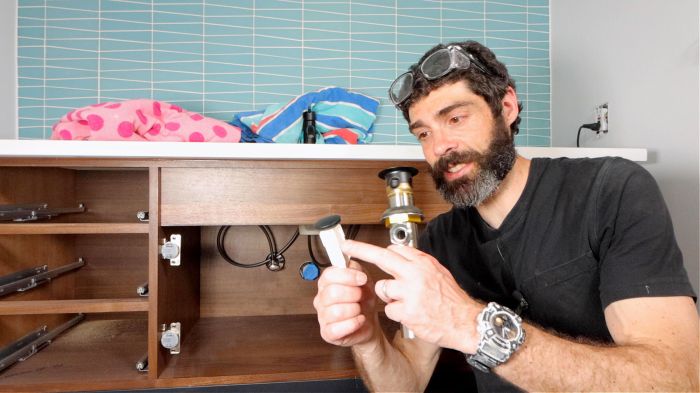
Creating an inviting outdoor space is essential for maximizing the enjoyment of your patio deck. An integral part of this design often includes the installation of outdoor faucets, which not only enhance the aesthetics but also add significant functionality. Selecting the right faucet design and placement can elevate your outdoor experience, making it easier to manage everything from cooking to gardening.Adding outdoor sinks or faucets on decks serves various practical purposes.
They allow for easy access to water for cleaning, gardening, and even entertaining guests outside. By incorporating a well-placed outdoor faucet, you can streamline tasks such as rinsing off tools, washing hands, or filling watering cans without having to run indoors. This convenience can greatly enhance the functionality of your outdoor space.
Design Ideas for Outdoor Faucets
When planning your outdoor faucet design, consider the following elements to ensure both style and functionality are achieved:
- Material Choices: Stainless steel or brass faucets not only resist rust but also complement many outdoor designs, providing a modern or rustic touch depending on your preference.
- Style Integration: Choose faucets that match your deck’s overall aesthetic. For example, if your deck features a farmhouse style, go for vintage-inspired fixtures with a patina finish.
- Placement Considerations: Position your faucets near frequently used areas such as barbecuing spots or gardening zones to enhance usability.
- Height and Accessibility: Ensure that the faucet is at a convenient height for all users, including children or those with mobility issues.
Functionality of Adding Outdoor Sinks or Faucets
Incorporating outdoor sinks or faucets not only promotes ease of use but also enhances the overall functionality of your patio deck. Consider the following benefits:
- Convenient Cleaning: Having a sink outdoors allows for quick cleaning of dishes and utensils after meals, which is especially useful during summer barbecues.
- Water Source for Plants: Easily fill watering cans or hose attachments to keep your plants hydrated, making gardening efforts more efficient.
- Entertaining Guests: With an outdoor faucet, you can quickly rinse fruits or prep drinks right on the patio, making it easier to host gatherings.
Considerations for Irrigation Faucets in Landscaping
Irrigation systems benefit significantly from strategically placed outdoor faucets, allowing for efficient watering of landscaped areas. Here are some practical factors to consider when integrating irrigation faucets:
- Placement Near Plant Beds: Install irrigation faucets close to flower beds or vegetable gardens to minimize hose length and enhance accessibility.
- Timers and Automation: Consider using automated irrigation systems that connect to outdoor faucets, allowing for timed watering schedules that maintain your landscaping effortlessly.
- Seasonal Accessibility: Ensure outdoor faucets are easy to winterize and protect from freezing temperatures to prevent damage and maintain functionality year-round.
Pest Control Considerations with Plumbing
Plumbing issues can create inviting environments for pests in homes. Leaks, standing water, and damaged pipes can attract insects and rodents, making it essential to address both plumbing and pest control proactively. Understanding how plumbing problems relate to pest infestations can significantly enhance home maintenance efforts.Plumbing problems often lead to pest issues, as moisture and stagnant water create prime habitats for insects like cockroaches, ants, and termites.
For example, a slow leak under the sink can create a damp area that attracts pests looking for food and shelter. Additionally, rodents are known to take advantage of gaps and cracks in plumbing fixtures, allowing them access to your home. Addressing these plumbing issues promptly is crucial in preventing pest infestations.
Preventive Measures to Keep Pests Away from Plumbing Areas
Implementing preventive measures around plumbing areas can greatly reduce the risk of pest problems. By maintaining a dry and well-sealed environment, homeowners can deter pests from making their home a breeding ground. Here are some effective methods to consider:
- Regularly inspect pipes and faucets for leaks and address them immediately.
- Ensure all plumbing fixtures are properly sealed and caulk any visible gaps.
- Keep kitchen and bathroom areas clean, particularly around sinks, to eliminate food sources for pests.
- Avoid clutter around plumbing areas where pests can hide.
- Install screens over vents and drains to prevent pest entry.
Taking these steps not only protects your plumbing system but also contributes to a more pest-free home environment.
Tips for Maintaining Faucets to Avoid Attracting Pests
Maintaining faucets is an essential aspect of pest control. A well-functioning faucet can prevent water accumulation, which is a primary attractant for pests. Here are effective tips for faucet maintenance:
- Regularly clean faucet aerators to ensure optimal water flow and prevent leaks.
- Inspect the faucet for rust or corrosion, which could indicate a need for repair or replacement.
- Immediately fix any drips or leaks, as these can create moisture that attracts pests.
- Ensure that the sink area is dry after use by wiping it down regularly.
- Consider using a pest-repellent spray around the plumbing area, specifically designed to deter insects without harming fixtures.
By following these maintenance tips, homeowners can significantly reduce the risk of pests being drawn to plumbing fixtures.
Closing Summary
In conclusion, with the right information and a bit of effort, DIY faucet repair can be a straightforward and rewarding endeavor. Not only will you address immediate plumbing issues, but you’ll also gain confidence in your home improvement skills. Embrace the challenge and enjoy the satisfaction of enhancing your home, one faucet at a time.
Question & Answer Hub
How do I know if my faucet needs repair?
Common signs include leaks, low water pressure, or difficulty turning the handle.
What tools do I need for a faucet repair?
You typically need an adjustable wrench, screwdriver, and replacement parts like washers or O-rings.
Can I repair any type of faucet myself?
Most standard faucets can be repaired with DIY methods, but some complex models may require professional help.
How long does a faucet repair usually take?
Repairs generally take anywhere from 30 minutes to a couple of hours, depending on the problem.
Is it worth upgrading to a high-efficiency faucet?
Yes, high-efficiency faucets can save water and lower utility bills, making them a worthwhile investment.


