
DIY home remodel on a budget is a popular approach that empowers homeowners to transform their living spaces while keeping expenses low. This journey of renovation invites creativity, resourcefulness, and planning, allowing you to create a home that reflects your personal style without breaking the bank.
From selecting the right materials to repurposing existing items, the possibilities are endless. Whether you’re looking to refresh your kitchen, enhance your outdoor space, or tackle essential repairs, understanding the fundamentals of budget-friendly remodeling is crucial for achieving your dream home.
DIY Home Remodel Basics
Remodeling your home on a budget is not only a practical approach but also a rewarding one. With the right planning and understanding of essential principles, you can transform your space without breaking the bank. The key lies in prioritizing your projects, sourcing affordable materials, and utilizing DIY techniques. One of the fundamental principles of budget remodeling is to focus on enhancements that offer the best return on investment.
This means prioritizing projects that improve functionality and aesthetics, such as kitchen upgrades and bathroom refreshes. Planning ahead and setting a realistic budget will guide your choices and help avoid overspending.
Step-by-Step Guide for Planning a DIY Home Remodel
Effective planning is crucial for a successful remodel. Here’s a structured approach to guide you through the DIY home remodel planning process:
1. Define Your Goals
Identify what you want to achieve with your remodel. Consider the areas that need improvement and how these changes will enhance your living space.
2. Set a Budget
Determine how much you can afford to spend. Include costs for materials, tools, and unexpected expenses. A contingency of about 10-15% is advisable for surprises.
3. Research and Design
Gather inspiration from magazines, websites, and social media platforms. Create a mood board to visualize your ideas and help refine your design concept.
4. Choose Your Materials
Research budget-friendly materials that suit your style. Reclaimed wood, laminate flooring, and paint can dramatically change a room’s appearance without high costs.
5. Create a Timeline
Establish a timeline for your project, including start and completion dates. Factor in any delays that might occur.
6. Get Necessary Permits
Check with local authorities regarding any permits needed for your remodel. Skipping this step can lead to fines or complications.
7. DIY or Hire Help
Assess which tasks you can realistically handle yourself and where you may need professional assistance. This balance can save both time and money.
Essential Tools and Materials for Budget-Friendly Renovations
Having the right tools and materials can make all the difference in your DIY renovation project. Here’s a list of essential items you should consider:
Basic Tools
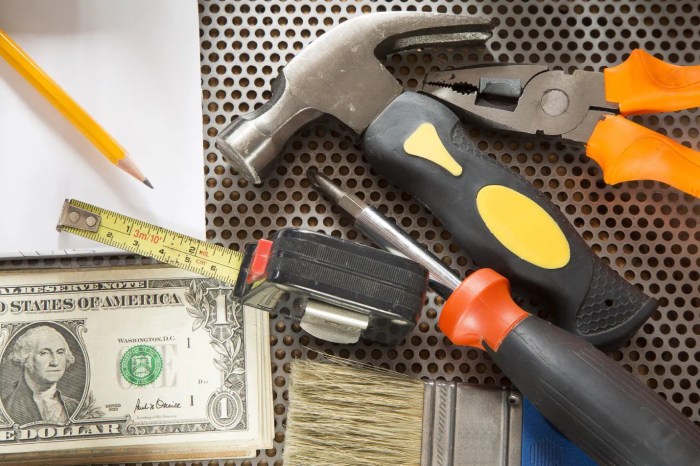
Invest in a set of essential hand tools, including a hammer, screwdrivers, wrenches, pliers, and a tape measure. A power drill is also highly beneficial for various tasks.
Safety Gear
Ensure you have safety goggles, gloves, and a dust mask to protect yourself while working.
Painting Supplies
Brushes, rollers, painter’s tape, and drop cloths are necessary if you’re planning to paint walls or trim.
Fasteners
Stock up on nails, screws, and anchors to secure materials effectively.
Level and Square
These tools are critical for ensuring that everything is aligned correctly and meets your design specifications.An organized workspace equipped with these tools will not only streamline your remodeling process but also result in a more polished final product.
Investing time in planning and using the right materials pays off in both cost savings and quality results.
By following these principles and guidelines, your DIY home remodel can be a fulfilling experience that enhances your living space while adhering to your budget.
Interior Design and Decorating
Transforming your living space doesn’t have to break the bank. With a little creativity and resourcefulness, you can achieve a stunning interior that reflects your personal style without overspending. The key is to focus on smart decorating techniques and to make the most of what you already have. Let’s explore how to enhance your home’s aesthetic appeal through budget-friendly design strategies.
Techniques for Decorating on a Budget
Decorating on a budget requires a strategic approach that prioritizes value and creativity. Here are a few techniques to consider:
- Thrift Store Finds: Scour local thrift shops, garage sales, and online marketplaces for unique and affordable decor items. Vintage pieces can add character to your home.
- DIY Art: Create your own artwork using canvas, paint, and even everyday materials like fabric scraps. This personal touch adds uniqueness and helps save money.
- Paint: A fresh coat of paint can dramatically change the look of a room. Opt for trendy colors or refreshing neutrals that reflect your style.
- Accessorize: Swap out or update accessories like cushions, throws, and curtains to refresh a room’s look without a complete overhaul.
Affordable Design Styles Suitable for DIY Projects
When considering design styles that are both affordable and DIY-friendly, it’s essential to choose ones that allow for personal creativity. Here are popular styles that fit well within a budget:
- Scandinavian: Characterized by minimalism, light colors, and functional furniture, this style is perfect for DIY projects where simplicity reigns.
- Bohemian: Embrace a mix of patterns, colors, and textures. This eclectic style allows for endless creativity using thrifted and repurposed items.
- Industrial: Utilize raw materials and vintage pieces to create an urban feel. Exposed brick and metal fixtures can be budget-friendly and visually appealing.
- Farmhouse: Incorporate rustic elements and natural materials. DIY projects like building your own shelving or using reclaimed wood can enhance this style.
Repurposing Existing Furniture to Enhance Interior Aesthetics
Repurposing furniture is a fantastic way to refresh your space while being cost-effective. By giving new life to old items, you not only save money but also contribute to sustainability. Here are some creative ideas:
- Reupholstering: Update an old chair or sofa with new fabric to match your current decor. This can completely transform the piece while keeping it functional.
- Refinishing: Sand down and restain or paint wooden furniture to give it a fresh appeal. A classic dresser can become a statement piece with the right finish.
- Multi-functional Pieces: Convert an old desk into a stylish vanity or a trunk into a coffee table. Think outside the box to make furniture serve dual purposes.
- Gallery Wall: Use old frames to create a gallery wall featuring your repurposed art or photographs. This adds personality and visual interest to your space.
“Creativity takes courage.”
Henri Matisse
Kitchen Improvements
Upgrading your kitchen doesn’t have to break the bank. With a few thoughtful changes and some creative DIY solutions, you can transform your kitchen into a functional and stylish space. Focusing on cost-effective improvements can not only enhance your cooking experience but also increase the overall value of your home.When considering kitchen improvements, there are several key areas to target: upgrades, storage solutions, and finishes.
Each of these areas offers a variety of budget-friendly options that can make a significant impact. By prioritizing where to spend your money, you can achieve a modern look without overspending.
Cost-Effective Upgrades for Kitchen Spaces
Focusing on upgrades that bring the most value can lead to significant changes in your kitchen environment. Here are some budget-friendly upgrade ideas:
- Paint Cabinets: A fresh coat of paint can breathe new life into outdated cabinets. Opt for light colors to make the space feel larger.
- Replace Hardware: Swapping out old cabinet knobs and pulls for modern ones can have a big impact without a large investment.
- Energy-Efficient Appliances: If it’s time to replace appliances, consider energy-efficient models. They can save you money in the long run on utility bills.
DIY Solutions for Kitchen Organization and Storage
Organizing and maximizing space in the kitchen is essential for efficiency and accessibility. Here are some DIY solutions that can improve your kitchen organization:
- Magnetic Strips: Install magnetic strips on the wall to hold metal utensils, freeing up drawer space.
- Under-Shelf Baskets: Utilize under-shelf baskets in cabinets to create additional storage for smaller items.
- DIY Spice Rack: Create a custom spice rack from wood or repurposed materials to keep spices organized and easily accessible.
Budget-Friendly Ideas for Kitchen Backsplashes and Countertops
Backsplashes and countertops are focal points in any kitchen, and there are various affordable options to consider that can elevate the overall aesthetic:
- Peel-and-Stick Tiles: These tiles are easy to install and come in a variety of designs, allowing you to create a stylish backsplash without the cost of traditional materials.
- Plywood Countertops: For a rustic look, consider sanding and staining plywood as a countertop option. It’s cost-effective and can be sealed for durability.
- Concrete Overlay: Apply a thin layer of concrete over existing countertops for a modern, industrial feel at a fraction of the cost of premium materials.
“A well-planned kitchen remodel can significantly enhance the functionality and aesthetic appeal of your home while remaining within budget.”
Landscaping and Outdoor Decorating
Enhancing your home’s curb appeal doesn’t have to break the bank. With a little creativity and some strategic planning, you can transform your outdoor space into a welcoming oasis that complements your home’s architecture and style. This section explores various budget-friendly landscaping ideas, along with tips on designing small garden spaces and selecting low-maintenance plants that will thrive with minimal effort.
Budget Landscaping Ideas for Curb Appeal
Creating an inviting landscape can significantly enhance the attractiveness of your home. Here are some cost-effective landscaping ideas that can elevate your curb appeal without straining your wallet:
- Mulch and Rocks: Use mulch in garden beds to suppress weeds, retain moisture, and provide a clean, polished look. Decorative rocks can also add texture and visual interest.
- Edging: Install edging around flower beds or pathways using bricks, stones, or even wooden borders to create a defined look that structures your landscaping.
- DIY Flower Beds: Instead of hiring a professional, design your own flower beds with native plants that require less water and care, thus saving costs on maintenance.
- Pathways: Create a simple pathway using gravel or reclaimed bricks. This not only guides visitors but also adds charm to your landscape.
- Seasonal Decorations: Incorporate seasonal decorations like potted plants, lanterns, or colorful flags that can be easily changed out throughout the year to keep the look fresh.
Designing a Small Garden or Outdoor Space Affordably
A small garden can be both functional and aesthetically pleasing when designed thoughtfully. Here are strategies for creating your budget-friendly outdoor space:
- Vertical Gardening: Use vertical space by installing wall planters or trellises that allow you to grow climbing plants, saving ground space while adding visual height.
- Container Gardening: Utilize pots and containers for easy mobility and arrangement. This allows for experimentation in layout and design without permanent commitments.
- Focus on Focal Points: Create a focal point with a small bench, birdbath, or sculpture to draw the eye and make your small space feel more substantial.
- Layering Plants: Use plants of different heights and textures to create depth. Taller plants can be placed at the back, with smaller varieties in front, enhancing the visual appeal.
Selecting and Caring for Low-Maintenance Plants
Choosing the right plants is crucial for a low-maintenance garden that still looks vibrant and inviting. Here are tips for selecting and caring for plants that require minimal upkeep:
- Native Plants: Opt for native species that are adapted to your local climate, as they typically require less water and care.
- Perennials Over Annuals: Invest in perennials that come back year after year, reducing the need to replant each season.
- Succulents and Drought-Tolerant Plants: Incorporate succulents and other drought-tolerant varieties that thrive in dry conditions, requiring less frequent watering.
- Group Plants by Needs: Place plants with similar water and sunlight needs together to simplify care and maintenance.
- Mulching: Use mulch around plants to conserve moisture, suppress weeds, and reduce the time spent on garden maintenance.
Home Lighting
Lighting can transform a space, enhancing both aesthetics and functionality. Within the realm of DIY home remodels, effective lighting solutions can elevate the ambiance without draining your budget. By embracing creativity and resourcefulness, you can achieve a well-lit home that feels inviting and stylish.To enhance your home’s lighting effectively, consider a combination of innovative solutions, DIY projects, and energy-efficient options.
These approaches not only improve the overall brightness of your rooms but also contribute to a more sustainable lifestyle. Here are some creative strategies to consider.
Creative Solutions for Improving Home Lighting
Improving your home’s lighting doesn’t require an expensive overhaul. Simple changes can make a significant difference in brightness and mood. Here are some ideas:
- Strategic Use of Mirrors: Placing mirrors opposite windows can reflect natural light, making spaces feel larger and brighter. Consider using decorative mirrors to enhance your decor while maximizing light.
- Layered Lighting: Combine ambient, task, and accent lighting for a well-rounded approach. Use table lamps, floor lamps, and wall sconces to create layers that add depth to your rooms.
- Use Light Colors: Light-colored walls and furnishings reflect more light than darker shades. If you’re thinking of repainting or updating your textiles, lean towards whites, creams, and pastels.
DIY Light Fixtures or Lamp Updates
Upcycling and personalizing light fixtures can be a fun and rewarding DIY project. These updates not only enhance your home’s decor but also allow for customization at a fraction of the cost. Consider these DIY options:
- Painted Lamp Shades: Revitalize old lamp shades with a fresh coat of paint or patterned fabric. This simple update can make your lamps feel brand new and match your interior style.
- Repurposed Materials: Use items like baskets, wooden crates, or even vintage bottles to create unique lamp bases. This not only adds character to your lighting but also makes for a great conversation piece.
- DIY Pendant Lights: Create pendant lights from various materials such as mason jars or wire baskets. This allows for a customized design that can fit any space and style.
Energy-Efficient Lighting Options
Switching to energy-efficient lighting options is both eco-friendly and cost-effective. This transition can significantly reduce your electricity bills while providing ample illumination. Here are some options to consider:
- LED Bulbs: Replace incandescent bulbs with LED lights. They use up to 80% less energy and have a much longer lifespan, making them a smart investment for any home.
- Smart Lighting: Integrate smart bulbs or smart plugs to control lighting remotely or set schedules. This not only enhances convenience but can also reduce energy usage when areas are unoccupied.
- Solar-Powered Outdoor Lights: For outdoor areas, solar lights can illuminate your yard or pathway without adding to your energy costs. They charge during the day and provide light at night, making them a practical choice.
“Effective lighting not only enhances the aesthetic appeal of a home but also contributes to a more functional and welcoming environment.”
Transforming your home’s lighting is an achievable goal that can significantly impact its overall feel and efficiency. By implementing these creative solutions, DIY projects, and energy-saving options, you can enjoy a beautifully lit space that aligns with your budget.
New Construction
Building a new home can be an exhilarating yet overwhelming experience, especially when you’re working with a budget. Understanding the various budget considerations that come into play can make the difference between a dream home and a financial headache. This section will explore essential budgetary aspects for new construction projects, how to implement cost-saving measures, and strategies to prioritize features without compromising quality.
Budget Considerations in Planning New Construction Projects
When planning a new construction project, it’s crucial to have a clear understanding of all associated costs. These can include not only the direct expenses of materials and labor but also indirect costs such as permits, inspections, and utility connections. Allocating funds effectively is vital to ensuring that you can cover unexpected expenses that may arise during the construction process.One key element is to establish a realistic overall budget that includes a contingency fund—typically around 10-20% of your total budget—to handle unforeseen circumstances.
Additionally, consulting with a financial advisor or builder can provide valuable insights into setting a budget that aligns with your financial capabilities and expectations.
Cost-Saving Measures During the Construction Phase
Implementing cost-saving measures during the construction phase is essential for maintaining your budget. Here are some effective strategies to consider:
- Choose Standard Sizes: Opt for standard sizes in materials like windows and doors to avoid customization costs.
- Shop for Deals: Look for discounts on building materials, or consider buying surplus supplies from previous projects.
- DIY When Possible: Handle smaller projects yourself, such as painting or landscaping, to save on labor costs.
- Limit Structural Changes: Stick to your original design to minimize the costs of changes and modifications during construction.
- Energy Efficiency: Invest in energy-efficient appliances and materials that may have a higher upfront cost but lead to long-term savings on utilities.
By adopting these measures, you’re more likely to keep construction costs within your planned budget while still achieving your desired outcome.
Prioritizing Features in a Budget-Conscious New Build
Prioritizing features in your new construction can help ensure that your most important needs are met without overspending. Start by making a list of must-haves versus nice-to-haves. This process allows you to allocate your budget to essential elements that will enhance your living experience.Consider the following points when assigning priority:
- Functionality Over Aesthetics: Focus on the functionality of spaces rather than purely aesthetic features, which can often be adjusted later.
- Future Needs: Consider your future needs and opt for features that will serve you well in the long term, like a flexible room that can adapt as your family grows.
- Quality Over Quantity: Invest in fewer high-quality items rather than filling your space with numerous inexpensive options.
- Professional Consultation: Engage with architects or designers to help identify which features will provide the best return on investment.
By prioritizing effectively, you can create a home that meets your immediate needs while also accommodating future changes, all without breaking the bank.
Home Painting
Painting your home can dramatically transform your space without breaking the bank. Selecting the right colors and techniques not only enhances the aesthetic appeal but also reflects your personal style. A thoughtful approach to painting can make a significant difference in the overall ambiance of your home, providing a fresh and inviting environment.Choosing the right paint colors is crucial, as different shades can evoke various moods and can be strategically used to influence how spaces feel.
For example, lighter colors can make a room feel more spacious and airy, while darker hues can create a cozy and intimate atmosphere. It’s essential to consider the function of each room and the amount of natural light it receives when selecting colors.
Selecting Paint Colors
A well-thought-out color palette can unify your home’s interior design. When selecting paint colors, consider the following strategies:
- Understand Color Theory: Familiarize yourself with the color wheel. Complementary colors (those opposite each other on the wheel) can create a vibrant look, while analogous colors (next to each other) provide a serene and harmonious effect.
- Testing Samples: Before committing to a color, purchase sample pots and paint swatches on the wall. Observe how the colors change with different lighting throughout the day.
- Consider the Space: Use lighter shades in smaller rooms to create a sense of openness. In larger areas, bolder colors can make the space feel more inviting.
- Choose the Right Finish: The sheen of the paint affects the color’s appearance. Matte finishes offer a softer look, while satin and gloss finishes reflect more light, making colors appear brighter.
Achieving a Professional Look
To achieve a professional finish when painting your home, certain techniques and practices can be employed. These methods help ensure that your DIY project looks polished and well-executed.First, preparation is key. Start by cleaning the surfaces and repairing any holes or imperfections to ensure a smooth application. Use painter’s tape to protect edges and create crisp lines. To achieve even coverage, apply paint in thin layers, allowing each coat to dry completely before adding another.
A quality paint roller can provide a smooth finish on walls, while brushes are essential for corners and trim.
“Using the right tools and techniques can elevate a DIY paint job from average to exceptional.”
Tools and Products for Easier Painting
Investing in the right tools and products can simplify the painting process and enhance the final result. Here are some essentials to consider:
- Quality Paint Brushes and Rollers: High-quality brushes and rollers provide better coverage and a smoother finish, reducing the risk of streaks or brush marks.
- Painter’s Tape: This helps achieve clean lines and prevents paint from bleeding onto unwanted areas. Look for low-tack options to avoid peeling paint when removed.
- Paint Tray and Liners: A sturdy paint tray allows for easy access to paint and helps manage excess paint, while liners make cleanup a breeze.
- Drop Cloths: Protect floors and furniture from spills and splatters with drop cloths made of canvas or plastic.
- Paint Sprayer: For larger areas, a paint sprayer can significantly speed up the process and provide an even coat, although practice may be needed.
Investing in these tools not only makes the painting process easier but also contributes to achieving a more professional finish, ensuring your DIY efforts yield beautiful results.
Patio and Deck
Transforming your outdoor space into a functional and inviting area doesn’t have to break the bank. With a few affordable upgrades and creative DIY projects, you can enhance your patio or deck, making it an ideal spot for relaxation and entertainment. Whether it’s new furnishings, decorative elements, or simple structural improvements, there are countless ways to elevate your outdoor experience without overspending.When considering improvements for your patio or deck, selecting the right materials is crucial to maintaining affordability while ensuring durability.
Various budget-friendly options can provide both functionality and aesthetic appeal, enhancing your outdoor living areas significantly.
Affordable Patio and Deck Improvements
Investing in your outdoor space can yield remarkable returns, both in enjoyment and potential home value. Here are some cost-effective ideas to consider for revitalizing your patio or deck:
- Paint or stain your existing deck to give it a fresh, new look. This can drastically improve its appearance without the cost of replacement.
- Add outdoor rugs to create defined spaces and add warmth underfoot—look for weather-resistant options available at various price points.
- Incorporate potted plants and greenery to create a lively atmosphere. Choose low-maintenance plants that suit your climate for lasting beauty.
- Build a simple fire pit using stone or brick for a cozy gathering spot. DIY fire pits can be made with materials readily available at your local hardware store.
- Install string lights or lanterns to enhance ambiance and usability during the evening. This is a cost-effective way to add warmth and charm to your outdoor area.
Budget-Friendly Materials for Outdoor Spaces
Selecting the right materials can significantly lower costs while maintaining quality. Here are some materials that are both economical and effective for outdoor renovations:
- Composite decking is an excellent alternative to wood. While it has a higher initial cost, its durability and low maintenance can save money over time.
- Pavers made from concrete are an affordable choice for creating pathways or patios. They are versatile and can easily be laid out in various patterns.
- Reclaimed wood can be used for building furniture or creating decorative elements. This eco-friendly option often comes at a lower price and adds character.
- Metal furniture is often durable and can be found at reasonable prices. Look for pieces made of aluminum or galvanized steel that resist rusting.
DIY Projects to Enhance Outdoor Living Areas
Engaging in DIY projects can be a fulfilling way to personalize your outdoor space. Here are some ideas that can easily fit into a budget:
- Create your own outdoor dining table. Using pallets or reclaimed wood, you can build a rustic table that suits your style and space.
- Construct a vertical garden using wooden pallets or old ladders. This is a great way to save space and showcase your plant collection.
- Make your own outdoor cushions by sewing fabric covers for existing cushions or using foam and outdoor fabrics to create custom sizes.
- Upcycle old furniture with a fresh coat of paint or new upholstery, giving new life to items that may be gathering dust.
- Build a trellis or pergola for climbing plants. This adds height and dimension to your outdoor area while providing shade and structure.
“DIY projects not only save money but also allow you to express your personal style and creativity.”
Pest Control
Pest control is an essential aspect of maintaining a healthy and comfortable home environment. Implementing budget-friendly methods for pest prevention not only saves money but also ensures that your living space remains safe and enjoyable. By understanding common household pest issues and utilizing DIY solutions, you can effectively keep unwanted critters at bay without breaking the bank.Pests can be a significant nuisance, causing damage to property and posing health risks.
Fortunately, there are several cost-effective strategies to prevent and control these invaders. By regularly inspecting your home, sealing entry points, and employing natural deterrents, you can create a pest-free ambiance. Here are some practical methods and solutions that are both effective and budget-friendly.
Pest Prevention Techniques
Implementing a proactive approach to pest prevention is key to avoiding infestations. Here are several strategies that can help maintain a pest-free home:
- Seal Cracks and Crevices: Inspect your home for any openings that pests could exploit. Use caulk or weather stripping to seal cracks around windows, doors, and foundation areas.
- Maintain Cleanliness: Regularly clean your home, especially the kitchen and dining areas. Wipe down surfaces, sweep floors, and promptly dispose of trash to eliminate food sources for pests.
- Proper Storage: Store food in airtight containers and keep pantry areas tidy to avoid attracting pests like ants and cockroaches.
DIY Solutions for Common Household Pests
When faced with an infestation, there are several DIY methods you can employ to handle common household pests effectively and affordably.
- Ants: Mix equal parts of vinegar and water in a spray bottle and apply it to ant trails to disrupt pheromone signals.
- Fruit Flies: Combine apple cider vinegar with a few drops of dish soap in a bowl. The vinegar attracts the flies, while the soap traps them.
- Rodents: Set up traps using peanut butter as bait. Place them in areas where you suspect rodent activity, and check regularly.
Maintaining a Pest-Free Home Environment
To ensure long-term success in pest control, it is crucial to adopt consistent practices that promote a pest-free environment.
- Regular Inspections: Periodically check your home for signs of pests, such as droppings or nests, and address any issues immediately to prevent escalation.
- Yard Maintenance: Keep your yard clean and well-maintained by trimming shrubs, mowing the lawn, and removing debris where pests could hide.
- Natural Repellents: Utilize essential oils like peppermint or tea tree oil as natural repellents around entry points to deter pests without harmful chemicals.
“An ounce of prevention is worth a pound of cure.”
By employing these budget-friendly pest control methods and solutions, you can create a comfortable, healthy living space while keeping financial concerns in check. Consistency is key, so stay vigilant and proactive in your pest prevention efforts.
Home Plumbing
Home plumbing is an essential aspect of maintaining a comfortable and functional living space. Many plumbing issues can be tackled by homeowners with a bit of knowledge and the right tools. Understanding simple repairs not only saves money but also empowers you to take control of your home maintenance. In this section, we will explore the basics of DIY plumbing repairs, essential tools for every homeowner, and maintenance tips to ensure your plumbing system remains in good working condition.
Simple Plumbing Repairs
There are several common plumbing problems that homeowners can address themselves, saving time and money. These issues typically do not require a professional plumber and can often be resolved with minimal tools and materials.
- Leaky Faucets: A dripping faucet is often caused by a worn-out washer or O-ring. Replacing these components can help eliminate the leak.
- Clogged Drains: A simple mixture of baking soda and vinegar can help clear minor clogs. For more stubborn clogs, a plunger or a plumber’s snake can be effective.
- Running Toilets: This issue is often due to a faulty flapper valve. Replacing the flapper can stop the toilet from continuously running.
- Low Water Pressure: This can often be resolved by cleaning faucet aerators or showerheads, as mineral deposits can build up over time.
- Pipe Leaks: Small leaks can typically be fixed with pipe tape or a plumbing sealant. For larger issues, consider replacing the affected section of pipe.
Essential Plumbing Tools
Having the right tools on hand is crucial for effective DIY plumbing repairs. Here’s a list of essential plumbing tools that every homeowner should consider keeping in their toolbox:
- Pipe Wrench: Useful for gripping and turning pipes of various sizes.
- Adjustable Wrench: Versatile for various fittings and fixtures.
- Plumber’s Tape: Helps create a watertight seal on threaded connections.
- Plunger: An essential tool for clearing clogged toilets and drains.
- Snake Drain Auger: Ideal for removing stubborn clogs deeper in the plumbing system.
- Bucket: Useful for catching water during repairs and keeping work areas dry.
- Pipe Cutter: Makes cutting pipes a straightforward task.
- Channel Lock Pliers: Helpful for gripping and turning irregularly shaped objects.
Maintenance Tips for Plumbing Systems
Regular maintenance is key to avoiding costly plumbing repairs down the line. Implementing routine checks can help identify issues before they escalate.
- Inspect for Leaks: Regularly check under sinks and around toilets for any signs of water pooling, which can indicate leaks.
- Clean Your Drains: Periodically use a mixture of baking soda and vinegar to keep your drains clear of buildup.
- Check Water Pressure: Use a pressure gauge to ensure your water pressure is within the recommended range (40-60 psi).
- Insulate Pipes: Protect pipes from freezing in cold weather by insulating them, especially those in unheated areas.
- Flush Water Heater: Every six months to a year, flush your water heater to remove sediment buildup, which can affect efficiency.
Home Remodeling
Home remodeling is a fantastic way to enhance your living space while adding value to your home. However, with countless options available, it’s essential to prioritize projects based on your budget. Careful planning and research are crucial in ensuring a successful remodel that meets your needs without breaking the bank.
Prioritizing Remodeling Projects
When embarking on a home remodeling journey, it’s vital to determine which projects will add the most value or utility for the cost incurred. Prioritization often hinges on factors such as current home condition, personal lifestyle, and potential return on investment. To effectively prioritize, consider the following points:
- Essential Repairs: Address any necessary repairs first, such as plumbing or electrical issues, that could lead to further damage if neglected.
- High-Impact Areas: Focus on areas that enhance daily living, such as kitchens and bathrooms, which tend to yield the best return on investment.
- Energy Efficiency: Upgrades that improve energy efficiency, like new windows or insulation, not only save money over time but can also increase home value.
- Curb Appeal: Landscaping and exterior updates can significantly impact first impressions and property value, making them worth the investment.
Importance of Planning and Research
Successful remodeling hinges on thorough planning and diligent research. Without a solid plan, projects can spiral out of control, leading to budget overruns and disappointments. Research helps you understand materials, timelines, and labor costs, which can shape your remodeling decisions.Key aspects include:
- Setting a Realistic Budget: Engage in detailed cost analysis for materials and labor, ensuring your budget permits your desired renovations.
- Seeking Inspiration: Gather ideas from various sources such as design magazines, websites, and showrooms to help visualize your project.
- Permits and Regulations: Familiarize yourself with local building codes and permit requirements relevant to your remodeling projects.
- Project Timeline: Develop a timeline that Artikels each phase of the project to help manage expectations and keep progress on track.
Examples of Successful DIY Remodeling Projects
Many homeowners have successfully tackled DIY remodeling projects on a budget, showcasing the potential of creativity and hard work. Notable examples include:
- Bathroom Makeover: A homeowner transformed a small bathroom using peel-and-stick tiles, a fresh coat of paint, and updated fixtures, all for under $500.
- Kitchen Revamp: By painting cabinets and replacing hardware, another DIY enthusiast refreshed their kitchen for a fraction of the cost of a full remodel, spending about $300.
- Outdoor Oasis: A backyard was transformed into a cozy retreat with DIY patio pavers and string lights, completed for under $800, creating a perfect space for gatherings.
Final Wrap-Up
In conclusion, embarking on a DIY home remodel on a budget not only fosters a sense of accomplishment but also provides a unique opportunity to personalize your space. By carefully planning projects, utilizing affordable materials, and engaging in creative solutions, you can achieve impressive results that enhance both your home’s aesthetic and value.
Query Resolution
What are the first steps for a DIY home remodel on a budget?
Start by assessing your current space, setting a clear budget, and prioritizing projects that add value or improve functionality.
How can I save money on materials?
Consider shopping at discount home improvement stores, using reclaimed materials, and taking advantage of sales or bulk purchasing options.
Is it worth it to DIY rather than hire professionals?
DIY can save money and provide satisfaction, but it’s essential to honestly assess your skills and the complexity of the project.
How can I ensure quality in my DIY projects?
Invest time in research, use quality materials, and follow best practices for each task to achieve a professional-looking result.
What are some common mistakes to avoid in DIY remodeling?
Avoid underestimating costs, neglecting planning, and rushing through projects, as these can lead to costly errors and unsatisfactory outcomes.


