
Energy-efficient home upgrades present an exciting opportunity to enhance your living space while reducing your environmental footprint. These improvements not only contribute to a more sustainable future but also lead to significant long-term savings on energy bills. By incorporating various upgrades, homeowners can enjoy increased comfort, aesthetics, and value in their homes.
From clever kitchen enhancements to smart lighting solutions, energy-efficient upgrades can transform your home into a more eco-friendly space. Understanding the importance of these upgrades and the benefits they bring is crucial for anyone looking to make informed choices about their residential environment.
Energy-efficient home upgrades overview
Energy efficiency is crucial in modern residential spaces, enhancing comfort while reducing environmental impact. Upgrading to energy-efficient systems helps homeowners minimize their energy consumption, leading to significant cost savings over time. This approach not only contributes to lower utility bills but also diminishes the carbon footprint associated with energy production.Common energy-efficient upgrades include installing high-efficiency appliances, enhancing insulation, and utilizing smart home technology.
These improvements not only increase energy conservation but also improve the overall living environment. For instance, energy-efficient appliances can reduce electricity use by up to 50%, while proper insulation can maintain a consistent indoor temperature, cutting heating and cooling costs significantly.
Common energy-efficient upgrades and their benefits
Energy-efficient upgrades provide various benefits that enhance both home comfort and financial savings. Below are some popular upgrades, along with their advantages:
- High-Efficiency HVAC Systems: Upgrading to a high-efficiency heating, ventilation, and air conditioning system can reduce energy consumption by 20-50%. These systems often come with smart thermostats that optimize performance based on occupancy.
- Energy-efficient Windows: Replacing single-pane windows with double or triple-pane energy-efficient windows can significantly reduce heat loss in winter and heat gain in summer. This can lead to energy savings of up to 25% on heating and cooling costs.
- LED Lighting: Switching to LED lighting from traditional incandescent bulbs can save about 75% on lighting costs. LEDs also last longer, reducing the frequency of replacements.
- Insulation Improvements: Adding or upgrading insulation in attics, walls, and basements can improve energy efficiency by minimizing heat transfer. Properly insulated homes can save up to 20% on heating and cooling costs.
- Smart Home Technology: Integrating smart home devices allows homeowners to monitor and control energy use more effectively, leading to potential savings of 10-30%. For example, smart thermostats adjust heating and cooling based on usage patterns.
The long-term cost savings associated with these energy-efficient improvements are substantial. Homeowners can expect a return on investment within a few years, depending on the upgrades made. For instance, an investment in energy-efficient HVAC can pay back in about 5-7 years, while insulation improvements often yield savings that quickly exceed initial costs. Additionally, many energy-efficient upgrades may qualify for tax incentives or rebates, further enhancing their financial appeal.
Investing in energy efficiency is not just about saving money; it’s about creating a sustainable living environment for future generations.
Interior Design and Decorating
Incorporating energy-efficient materials into interior design not only enhances the aesthetic appeal of a space but also aligns with sustainable living practices. By selecting materials that are eco-friendly, homeowners can create an environment that is both stylish and responsible, benefiting both the planet and personal comfort.Energy-efficient materials play a crucial role in enhancing the overall look of a home while promoting sustainability.
For instance, bamboo flooring is not only visually appealing but also a rapidly renewable resource. Similarly, recycled glass countertops can add a unique touch to kitchens and bathrooms, showcasing creativity while reducing waste. These materials often come in various colors and textures, allowing for diverse design possibilities.
Design Strategies Incorporating Sustainable Practices
Implementing design strategies that emphasize sustainability can effectively minimize environmental impact while maximizing style. Here are some key approaches that can be utilized:
- Utilization of Natural Light: Arranging furniture and using window treatments that optimize natural light can significantly reduce reliance on artificial lighting, enhancing ambiance while saving energy.
- Insulation and Airflow: Proper insulation and strategic placement of vents can maintain comfortable temperatures, reducing the need for heating and cooling systems. This not only improves energy efficiency but also creates a more comfortable living environment.
- Eco-friendly Paints and Finishes: Selecting low-VOC (volatile organic compounds) paints and finishes contributes to better indoor air quality while providing vibrant color choices for your interior spaces.
- Incorporation of Indoor Plants: Using plants as decor not only beautifies spaces but also improves air quality and emotional well-being, aligning with energy-efficient living by reducing the need for artificial air purifiers.
Energy-efficient decor enhances overall home comfort by creating a harmonious environment that supports relaxation and well-being. For example, using textiles made from organic cotton or hemp can create a cozy atmosphere without compromising on sustainability. Additionally, soft furnishings that incorporate recycled materials contribute to both comfort and style.
“Using eco-friendly materials in your home isn’t just good for the planet; it elevates your space’s aesthetic and comfort.”
By thoughtfully selecting materials and implementing sustainable practices, homeowners can achieve a beautiful interior that not only looks good but feels good, contributing to a healthier lifestyle and a greener planet.
Kitchen Improvements
Upgrading your kitchen with energy-efficient solutions not only enhances its functionality but also contributes significantly to reducing energy costs. By incorporating modern technology and design principles, you can create a sustainable kitchen environment that caters to your needs while being kind to the planet.
Energy-efficient Appliances
Choosing the right appliances can lead to significant energy savings and lower utility bills. Here’s a list of energy-efficient appliances that are worth considering for your kitchen:
- Energy Star refrigerators: These models consume less energy than standard refrigerators, often featuring better insulation and advanced temperature controls.
- Induction cooktops: Offering faster cooking times and reduced energy consumption, induction cooktops use electromagnetic energy to heat pots and pans directly.
- Convection ovens: These ovens use fans to circulate hot air, allowing food to cook evenly and faster, thereby using less energy.
- Energy-efficient dishwashers: Modern dishwashers can use as little as 3 gallons of water per load, significantly less than washing dishes by hand.
- Microwave ovens: Using a microwave instead of the stove or oven can save energy, especially for reheating or cooking small portions.
Energy-efficient Lighting
The lighting in your kitchen plays a crucial role in both functionality and ambiance. Implementing energy-efficient lighting can dramatically lower energy consumption.
- LED bulbs: These bulbs last longer and use up to 80% less energy than traditional incandescent bulbs.
- Task lighting: Focused lights above work areas enhance visibility and reduce the need for additional lighting.
- Natural light: Maximizing window space allows sunlight to illuminate the kitchen during the day, reducing reliance on electric lighting.
The strategic placement of lighting fixtures, such as under-cabinet lighting, can not only improve visibility while cooking but also create an inviting atmosphere.
Upgrading Kitchen Insulation
Proper insulation in the kitchen is vital for maintaining a consistent temperature, particularly in regions with extreme weather. Improving insulation can be done effectively through several methods.
- Insulated doors and windows: Replacing old doors and windows with energy-efficient models can prevent drafts and heat loss.
- Wrap insulation around pipes: Insulating pipes can prevent heat loss from hot water systems, improving overall energy efficiency.
- Attic insulation: Adding insulation in the attic space above the kitchen can significantly reduce heat transfer, maintaining a comfortable temperature.
- Wall insulation: If your kitchen walls are inadequately insulated, consider adding insulation materials to improve overall energy efficiency.
Upgrading insulation not only keeps your kitchen comfortable but also enhances the performance of your energy-efficient appliances, further contributing to overall energy savings.
Landscaping Outdoor Decorating
Landscaping is an essential aspect of home design that not only enhances visual appeal but also contributes significantly to energy efficiency. Thoughtfully planned outdoor spaces can reduce heating and cooling costs, improve air quality, and promote sustainability. By integrating natural elements into your landscaping, you can create a more comfortable and eco-friendly living environment.Proper landscaping can help regulate your home’s temperature, reducing the need for artificial heating and cooling.
For instance, strategically placed trees and shrubs can provide natural shade, lowering the temperature around the home and minimizing air conditioning usage. Additionally, using heat-absorbing hardscaping materials can help manage outdoor temperatures, creating a more pleasant microclimate around your property.
Planting Trees and Shrubs for Natural Shade
Selecting and positioning trees and shrubs effectively is crucial for maximizing the benefits of natural shade. Here are some tips to consider when planning your outdoor greenery:
Choose the Right Species
Opt for deciduous trees on the south and west sides of your home to provide shade in the summer while allowing sunlight during the winter. Consider species like oaks, maples, or willows that thrive in your climate.
Plant Strategically
Position trees at least 10-15 feet away from your home to prevent damage, while ensuring they provide adequate cover for windows and outdoor areas. Smaller shrubs can be placed closer to the house for additional insulation.
Layering for Efficiency
Utilize a mix of tall trees, medium-sized shrubs, and ground cover plants to create a layered effect that maximizes shade and reduces the heat reflected off the ground.Implementing these practices can dramatically impact your home’s energy consumption by keeping your living spaces cooler in the summer months.
Benefits of Hardscaping Materials that Absorb Heat
Incorporating hardscaping into your landscaping plan can also contribute to energy efficiency. Hardscaping consists of non-plant elements like patios, walkways, and retaining walls. Here’s why choosing the right materials is vital:
Heat Absorption
Certain materials, like concrete and stone, can absorb heat during the day and release it at night. This can help moderate temperature fluctuations in outdoor areas.
Natural Cooling
Light-colored hardscaping materials reflect sunlight, which can help keep adjacent areas cooler. Options like permeable pavers or colored concrete can enhance cooling effects.
Durability
Hardscaping is often low-maintenance compared to traditional landscaping, requiring less water and fewer resources to maintain, which contributes to overall sustainability.Utilizing these approaches ensures that your outdoor spaces not only look great but also play a significant role in enhancing your home’s energy efficiency.
Home Lighting
Lighting plays a crucial role in creating an energy-efficient home environment. By choosing the right lighting solutions, not only can you enhance the aesthetics of your space, but you can also significantly reduce energy consumption and costs. This section dives into the benefits of LED lighting, strategies for maximizing natural light, and efficient methods for installing smart lighting systems.
Advantages of LED Lighting Over Traditional Bulbs
LED lighting has emerged as the go-to choice for homeowners seeking to improve energy efficiency. Unlike traditional incandescent bulbs, which convert less than 20% of energy into light, LED bulbs utilize a technology that allows them to produce light more efficiently, resulting in substantial energy savings over time. The following highlights the key advantages of LED lighting:
- Energy Efficiency: LED bulbs use up to 80% less energy than incandescent bulbs, making them a top choice for reducing electricity bills and greenhouse gas emissions.
- Longevity: While traditional bulbs last about 1,000 hours, LED bulbs can operate for 25,000 hours or more, significantly decreasing the frequency of replacements.
- Durability: LEDs are more robust and resistant to impact compared to fragile incandescent or fluorescent bulbs, making them a safer option for various environments.
- Variety of Options: LEDs come in a wide range of colors and brightness levels, allowing for versatile designs to suit any home decor.
- Low Heat Emission: LEDs emit very little heat, reducing the load on air conditioning systems during hot months.
Maximizing Natural Light in Different Rooms
Incorporating natural light into your home design not only enhances aesthetics but also contributes to energy savings. Here are strategies to maximize natural light in key areas of your home:
- Living Room: Use large windows, skylights, and light-colored or reflective surfaces to bounce light around the room, creating a bright, airy atmosphere.
- Kitchen: Opt for open layouts and incorporate glass doors or windows above counters to invite more light. Use lighter cabinetry to reflect light effectively.
- Bedroom: Position mirrors across from windows to amplify natural light. Utilize sheer curtains that allow light to filter in while maintaining privacy.
- Bathroom: Install frosted glass windows or skylights to bring in light while ensuring privacy. Light-colored tiles can also reflect light, making the space feel larger.
Installing Smart Lighting Systems
Smart lighting systems offer innovative solutions to further reduce energy waste and enhance convenience. These systems can be controlled via smartphones or voice commands, providing flexibility in managing your home’s lighting. To install smart lighting systems effectively, consider the following methods:
- Choose Compatible Devices: Select smart bulbs, switches, or hubs that are compatible with your existing electrical system to ensure seamless integration.
- Plan Your Layout: Determine which areas of your home would benefit most from smart lighting, such as high-traffic areas or rooms with varying lighting needs.
- Utilize Motion Sensors: Installing motion sensors in lesser-used spaces, like hallways or bathrooms, can automatically turn lights on or off, conserving energy.
- Set Timers and Schedules: Program your lighting to operate on a schedule, ensuring lights are only on when needed, and reducing waste when you’re not home.
New Construction
Building a new home presents an exceptional opportunity to incorporate energy-efficient design and materials from the ground up. By selecting the right components and architectural approaches, homeowners can significantly reduce energy consumption, lower utility bills, and create a comfortable living environment. This proactive strategy not only benefits the occupants but also contributes positively to the environment.
Energy-efficient Building Materials
Utilizing energy-efficient building materials is essential for reducing the carbon footprint of new constructions. These materials not only enhance insulation but also ensure durability and sustainability. Examples include:
- Recycled Steel: This material is used for framing and roofing, offering high strength-to-weight ratio and reducing the need for frequent replacements.
- Insulated Concrete Forms (ICFs): These provide superior insulation properties, minimizing energy loss and maintaining consistent indoor temperatures.
- Thermal Mass Materials: Materials like stone and concrete help in regulating indoor temperatures by absorbing and releasing heat, thus reducing reliance on heating and cooling systems.
- Sustainable Timber: Sourced from responsibly managed forests, engineered wood products offer high performance while supporting eco-friendly practices.
Sustainable Architectural Designs
Sustainable architectural designs emphasize the efficient use of resources while maximizing comfort and functionality. These designs include:
- Open Floor Plans: These designs enhance natural lighting and ventilation, reducing the need for artificial lighting and mechanical cooling.
- Green Roofs: By incorporating plants on rooftops, these systems provide insulation, reduce heat absorption, and promote biodiversity.
- Rainwater Harvesting Systems: These designs collect and repurpose rainwater for irrigation and other non-potable uses, conserving freshwater resources.
- Energy-efficient Windows: Triple-glazed windows with low-emissivity (Low-E) coatings reduce heat transfer, improving energy efficiency significantly.
Importance of Passive Solar Design
Passive solar design plays a crucial role in maximizing energy efficiency in new constructions. By strategically positioning the house and using materials that capture and distribute solar energy, homeowners can significantly reduce their energy needs. Key elements include:
- Orientation: The building’s orientation towards the sun allows for optimal natural light and heating, minimizing reliance on artificial heating systems.
- Overhangs and Shading Devices: These features control sunlight entering the home, preventing overheating in summer while allowing sunlight in during winter.
- Thermal Mass: Incorporating thermal mass in design can help stabilize indoor temperatures by absorbing heat during the day and releasing it at night.
“An energy-efficient home isn’t just about saving money; it’s about creating a sustainable future for generations to come.”
Home Painting
Transitioning to energy-efficient home upgrades can significantly enhance both the aesthetics and the comfort of your living space. Home painting, in particular, plays a vital role in this transformation. By choosing eco-friendly paint options, applying insulation paint effectively, and selecting colors wisely, you can improve your home’s energy efficiency and indoor air quality.Using eco-friendly paint options not only adds color to your walls but also contributes to better indoor air quality.
Traditional paints often contain volatile organic compounds (VOCs) that can evaporate over time, leading to a range of health issues, including headaches and respiratory problems. Eco-friendly paints, on the other hand, are formulated with low or no VOCs, making them safer for both your family and the environment. They help maintain a cleaner, healthier indoor atmosphere by reducing toxic emissions and allowing for better air circulation.
Eco-friendly Paint Options and Their Benefits
Selecting paint that prioritizes eco-friendliness is essential for maintaining a healthy home environment. Here are some benefits associated with using eco-friendly paints:
- Improved Air Quality: Low-VOC and zero-VOC paints minimize harmful emissions, fostering a healthier indoor environment.
- Environmental Consideration: These paints are often made from natural ingredients, reducing the overall environmental impact.
- Durability: Eco-friendly paints often have better longevity, which means less frequent repainting and lower long-term costs.
Techniques for Applying Insulation Paint
Insulation paint is designed to enhance energy efficiency by reflecting heat and keeping your home cooler in the summer and warmer in the winter. To apply insulation paint effectively, consider the following techniques:
Surface Preparation
Ensure that the surface is clean, dry, and free from any peeling paint or contaminants. This will help the insulation paint adhere better.
Priming
Use a primer specific to insulation paint, which can further enhance its energy-saving properties.
Application Method
Utilize a roller for large areas but consider a brush for edges and corners to ensure even coverage.
Multiple Coats
Depending on the manufacturer’s instructions, applying multiple coats can significantly improve insulation effectiveness.
Color Selection for Energy Efficiency
The color of your home can influence energy efficiency as lighter shades reflect more light and heat, while darker shades tend to absorb it. Here’s a guide to color selection that enhances energy efficiency:
- Light Colors: Shades like white, light gray, or pastel tones reflect sunlight, helping to keep interiors cooler.
- Neutral Tones: Beige and soft browns can maintain a balanced temperature while providing a cozy aesthetic.
- Accent Colors: Use darker hues strategically for accents, such as a feature wall, to add depth without compromising energy efficiency.
Patio Deck
Creating an energy-efficient patio deck can transform your outdoor space into a tranquil oasis while also reducing your carbon footprint. By selecting the right materials and designing a layout that promotes airflow, you not only enhance your comfort but also contribute to sustainable living. This segment focuses on the best materials for outdoor decking, how to optimize your patio layout for airflow, and energy-efficient furniture options to complete your outdoor retreat.
Energy-efficient materials suitable for outdoor decking
When choosing materials for your patio deck, it’s important to consider their environmental impact and energy efficiency. Various options are available that not only look great but also offer durability and sustainability. Some of the most effective materials include:
- Composite Decking: Made from recycled wood fibers and plastic, composite decking is low-maintenance and highly durable, with a longer lifespan than traditional wood.
- Bamboo: As one of the fastest-growing plants on Earth, bamboo is an eco-friendly choice that is both strong and lightweight, making it ideal for outdoor decking.
- Reclaimed Wood: Using reclaimed wood from old buildings or furniture reduces waste and gives a unique character to your deck.
- Sustainable Wood Options: Look for woods certified by organizations like the Forest Stewardship Council (FSC), ensuring that they come from responsibly managed forests.
Patio layout that enhances airflow
Designing a patio layout that promotes airflow can enhance the comfort level of your outdoor space. A well-ventilated deck helps to mitigate heat accumulation and creates a refreshing environment. Consider the following tips when laying out your patio:
- Open Design: Incorporate an open layout with minimal obstructions to allow for free movement of air.
- Use of Shade: Position trees or pergolas to provide shade while still allowing breezes to flow through.
- Elevated Decking: Elevating your deck can help improve airflow both underneath and around the patio.
- Natural Barriers: Utilize natural barriers such as trellises or lattice to create a break from the wind without completely obstructing airflow.
Energy-efficient outdoor furniture options
Completing your patio deck with energy-efficient furniture can further enhance the sustainability of your outdoor space. Selecting furniture made from eco-friendly materials can reduce environmental impact and ensure durability. Here are some options to consider:
- Recycled Plastic Furniture: Made from post-consumer plastic waste, this type of furniture is long-lasting and requires minimal maintenance.
- Bamboo Furniture: Lightweight and strong, bamboo furniture is a sustainable option that adds a natural aesthetic to any patio.
- Teak or Eucalyptus Wood: Both are sustainable hardwoods that, when sourced responsibly, offer durability and beauty.
- Upcycled Vintage Furniture: Finding and restoring vintage pieces can be a unique and eco-friendly way to furnish your patio.
Pest Control
Proper pest control is essential for maintaining a healthy and comfortable living environment. With the rise in awareness about environmental sustainability, finding energy-efficient pest control solutions has become a priority for many homeowners. By integrating pest prevention strategies into the design and maintenance of energy-efficient homes, you can minimize pest-related issues while also promoting a healthier ecosystem.
Role of Proper Insulation in Pest Prevention
Adequate insulation plays a critical role in pest prevention. Insulation not only keeps your home energy-efficient, but it also creates a barrier that deters pests from entering. When your home is properly insulated, it helps maintain a consistent temperature, which is less attractive to many common pests like rodents and insects. Gaps in insulation can provide easy entry points for pests seeking warmth or shelter.
Therefore, ensuring that walls, attics, and basements are well-insulated significantly reduces the chances of pest infestations.
Eco-Friendly Pest Control Methods
Using eco-friendly pest control methods contributes to energy efficiency while minimizing harm to the environment. Here are some effective strategies:
- Natural repellents: Essential oils like peppermint, tea tree, and lavender can deter pests without using toxic chemicals.
- Biological control: Introduce natural predators, such as ladybugs for aphid control in gardens, to maintain a balanced ecosystem.
- Traps: Utilize non-toxic traps designed for various pests, which can reduce populations without harmful chemicals.
- Physical barriers: Installing screens, sealing cracks, and using mesh can physically keep pests out without resorting to chemical treatments.
- Regular maintenance: Keeping your home clean and clutter-free eliminates potential pest habitats and food sources.
Implementing these methods can protect your home from pests while aligning with energy-efficient practices.
Maintaining Energy Efficiency to Minimize Pest Issues
Maintaining energy efficiency in your home can significantly minimize pest problems. A well-sealed home with energy-efficient windows and doors not only reduces energy costs but also limits the entry points for pests. Here are some key practices:
- Routine inspections: Regularly check for areas where air leaks may occur, as these can also be routes for pests.
- Moisture control: Fix leaks and eliminate standing water, which attract pests like mosquitoes and termites.
- Landscaping choices: Opt for pest-resistant plants and trees that do not harbor insects while also enhancing the aesthetic appeal of your home.
By continuing to prioritize energy efficiency, homeowners can create an inhospitable environment for pests, thereby enhancing overall comfort and safety in their living spaces.
Home Plumbing
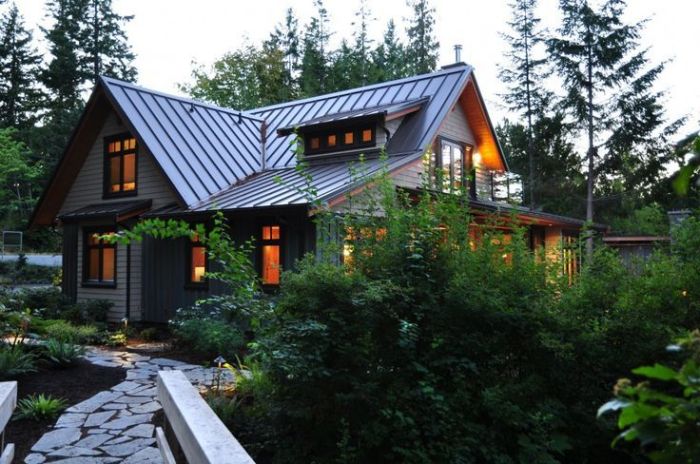
The plumbing system in your home plays a crucial role in ensuring water efficiency and overall energy savings. By focusing on energy-efficient plumbing upgrades, homeowners can significantly reduce their water consumption and lower utility bills. Implementing modern plumbing solutions not only contributes to environmental sustainability but also enhances the comfort and functionality of your home.
Low-Flow Fixtures Installation
Installing low-flow fixtures is a highly effective method for conserving water in your home. These fixtures are designed to use significantly less water than standard models, resulting in both reduced water bills and a smaller environmental footprint. Some common low-flow fixtures include faucets, showerheads, and toilets. The benefits of switching to these fixtures are substantial, as they can reduce water usage by up to 50% without sacrificing performance.To install low-flow fixtures, consider the following steps:
- Choose the right fixture: Look for fixtures with the WaterSense label, which indicates they meet EPA criteria for efficiency.
- Gather necessary tools: You will typically need a wrench, plumber’s tape, and possibly a screwdriver for installation.
- Turn off the water supply: Before beginning any installation, ensure that the water supply to the fixture is turned off.
- Replace the existing fixture: Carefully remove the old fixture and install the new low-flow version, ensuring all connections are tight and leak-free.
Low-flow fixtures can lead to significant savings, often recouping the initial investment within a year.
Importance of Regular Plumbing Maintenance
Regular plumbing maintenance is essential for maximizing energy efficiency and preventing costly repairs. Over time, plumbing systems can develop leaks or blockages that may go unnoticed, leading to increased water usage and higher utility bills. By proactively maintaining your plumbing, you can identify potential issues before they escalate.Key maintenance practices include:
- Routine inspections: Check for leaks under sinks, around toilets, and at pipe joints.
- Drain cleaning: Regularly clean drains to prevent clogs that can cause backups and increased water usage.
- Water pressure assessment: Ensure that your home’s water pressure is within the recommended range to avoid excessive water flow.
Regular maintenance can extend the life of your plumbing system and save you money on energy costs.
Energy-Efficient Water Heating Options
Selecting an energy-efficient water heating system is vital for reducing energy consumption in your home. Traditional water heaters can account for a significant portion of energy usage, but modern alternatives offer substantial savings.Consider these energy-efficient water heating options:
- Tankless water heaters: These provide hot water on demand, eliminating the need for a storage tank and reducing standby energy loss.
- Heat pump water heaters: Utilizing electricity to move heat from the air or ground, these systems can be up to three times more efficient than conventional electric water heaters.
- Solar water heating systems: These harness solar energy to heat water, providing significant savings on energy costs in sunny climates.
Energy-efficient water heaters can reduce energy costs by up to 30%, making them a worthwhile investment for homeowners.
Home Remodeling
Home remodeling presents a fantastic opportunity to enhance the energy efficiency of your living space while simultaneously increasing its aesthetic appeal and functionality. By integrating energy-efficient upgrades during renovations, homeowners can achieve long-term savings on utility bills, improve indoor comfort, and contribute positively to the environment.Incorporating energy-efficient upgrades requires a thoughtful approach to design and material selection. Homeowners should consider not only the aesthetics of their remodel but also how different choices can impact energy consumption.
Sustainable materials, energy-efficient appliances, and smart home technology can all play significant roles in creating a more energy-efficient home.
Incorporating Energy-efficient Upgrades
When planning a remodeling project, it is crucial to identify ways to enhance energy efficiency. Here are some strategies to consider:
- Insulation Improvements: Upgrading insulation in walls, attics, and basements can significantly reduce heating and cooling costs. Consider using eco-friendly insulation materials like cellulose or sheep’s wool.
- High-Performance Windows: Replacing old windows with energy-efficient models can prevent heat loss and improve comfort. Look for windows with low-E coatings and double or triple glazing.
- Energy-efficient Appliances: When renovating kitchens or laundry rooms, choose Energy Star-rated appliances that use less energy and water without sacrificing performance.
- Smart Thermostats: Installing a smart thermostat allows for better control of heating and cooling, adjusting temperatures based on occupancy and preferences.
- LED Lighting: Incorporate energy-efficient LED lighting throughout the remodeled space, which uses significantly less energy than traditional incandescent bulbs.
Choosing Sustainable Materials
Choosing sustainable materials is essential in home remodeling. Sustainable materials have a lower environmental impact and can contribute to better indoor air quality. Here are several considerations for selecting materials:
- Reclaimed Wood: Using reclaimed wood for flooring, cabinetry, or beams adds character and reduces the need for new timber.
- Low-VOC Paints: Opt for low or zero-VOC paints and finishes to minimize harmful emissions and improve indoor air quality.
- Natural Stone: Incorporate natural stone materials for countertops and flooring, which are durable and recyclable.
- Recycled Materials: Look for products made from recycled materials, such as countertops sourced from recycled glass or plastic.
- Sustainable Fabrics: For upholstery or window treatments, choose fabrics made from organic cotton or bamboo.
Energy Efficiency Assessment Checklist
Assessing the energy efficiency of your remodeling project can ensure that you are making sound investments. Here’s a checklist for homeowners to guide their assessment:
- Have you considered insulation levels in all areas of the house?
- Are the windows double-glazed or treated for energy efficiency?
- Do you plan to install energy-efficient appliances and fixtures?
- Have you selected sustainable materials for your remodel?
- Is there a plan for effective ventilation to maintain air quality?
- Will you incorporate energy-efficient lighting throughout the space?
- Have you consulted with a professional on energy-efficient design?
By focusing on these elements during a home remodel, homeowners can successfully enhance their living space while making a positive environmental impact. Investing in energy-efficient upgrades not only promotes sustainability but also creates a more comfortable and cost-effective home for years to come.
Ultimate Conclusion
In conclusion, embracing energy-efficient home upgrades is a smart investment for both your wallet and the planet. As we’ve explored, these enhancements not only elevate your home’s comfort and style but also contribute to lasting environmental benefits. By making informed decisions and incorporating sustainable practices, homeowners can pave the way for a greener future.
Commonly Asked Questions
What are some simple energy-efficient upgrades I can make?
Simple upgrades include installing LED lighting, adding insulation, and sealing windows and doors to prevent drafts.
How much can I save by upgrading to energy-efficient appliances?
You can save anywhere from 10% to 50% on energy costs, depending on the appliances you replace.
Do energy-efficient upgrades increase home value?
Yes, energy-efficient upgrades typically increase home value and appeal to potential buyers who prioritize sustainability.
Are there any incentives for making energy-efficient upgrades?
Many regions offer tax credits, rebates, and other incentives to encourage homeowners to invest in energy-efficient upgrades.
How can landscaping improve my home’s energy efficiency?
Landscaping can provide natural shade, reducing cooling costs in summer and improving insulation in winter.


