
Living room redesign ideas can breathe new life into your space, transforming it from ordinary to extraordinary. Whether you’re looking to update your style or create a more functional layout, exploring the latest trends, color palettes, and furniture arrangements can inspire you to reimagine your living area.
From incorporating technology seamlessly into your design to ensuring a cohesive flow between your indoor and outdoor spaces, the journey of redesigning your living room is both exciting and fulfilling. This guide will dive deep into essential elements that can elevate your living room, making it a perfect blend of comfort and style.
Living Room Redesign Concepts
Redesigning a living room can breathe new life into a home, making it more functional and aesthetically pleasing. As trends evolve, various styles emerge, inspiring homeowners to rethink their spaces. This overview will delve into the latest trends, popular color palettes and their psychological effects, and the critical role of space planning in living room layouts.
Trending Styles in Living Room Redesign
The world of interior design is always shifting, and current trends reflect a blend of comfort, sustainability, and personalization. The following styles are particularly prominent:
- Minimalism: A focus on simplicity and functionality, utilizing clean lines and a neutral palette to create an uncluttered environment.
- Bohemian: Rich in texture and color, this style embraces eclectic furnishings and a mix of patterns, celebrating individual flair.
- Scandinavian: Characterized by a light color scheme and natural materials, this design emphasizes coziness and practicality.
- Industrial: Featuring raw materials like metal and wood, this urban style combines rugged elements with modern finishes.
- Mid-Century Modern: A nostalgic throwback, this style merges vintage appeal with contemporary functionality, showcasing iconic furniture pieces.
Popular Color Palettes and Psychological Effects
Color plays a pivotal role in how a space feels and influences the mood of its inhabitants. Understanding the psychological effects of color can enhance the living room’s ambiance. Here are some popular palettes and their associated effects:
- Warm Neutrals (Beige, Taupe, Cream): These colors create a cozy and inviting atmosphere, promoting comfort and relaxation.
- Cool Blues (Sky Blue, Navy, Teal): Often associated with calmness and serenity, these shades can help reduce stress and encourage tranquility.
- Earthy Greens (Olive, Sage, Forest Green): These colors evoke a sense of nature, balance, and renewal, enhancing feelings of stability.
- Soft Pastels (Pale Pink, Light Lavender, Soft Yellow): These hues bring lightness and playfulness, fostering creativity and cheerfulness.
- Bold Accents (Deep Red, Bright Yellow, Rich Purple): Used sparingly, these colors can energize a space and stimulate conversation.
Importance of Space Planning in Living Room Layouts
Effective space planning is essential for creating a living room that is both functional and aesthetically pleasing. A well-thought-out layout maximizes the use of space while catering to the needs of its occupants. Key considerations in space planning include:
- Flow and Accessibility: Ensuring pathways between furniture pieces promote ease of movement within the space.
- Focal Points: Identifying and designing around focal points, such as a fireplace or a large window, enhances visual interest.
- Furniture Arrangement: Optimal arrangements not only ensure comfort but also encourage social interaction.
- Proportions and Scale: Selecting appropriately sized furniture ensures that the room feels balanced and inviting.
- Zoning: Creating distinct areas within the living room for different activities (like reading, watching TV, or entertaining) can improve functionality.
Furniture Selection and Arrangement
Selecting the right furniture and arranging it effectively can significantly transform your living room both in terms of style and functionality. Thoughtful furniture choices not only enhance the aesthetic appeal of the space but also cater to your daily living needs. The layout and selection are crucial in creating a harmonious and inviting environment that allows for relaxation and socializing.When choosing furniture for your living room, it’s important to focus on key pieces that will serve both form and function.
This includes seating options, tables, and storage solutions that complement each other and fit well within the dimensions of your space. Consider the following essential furniture pieces and their role in your living room:
Key Furniture Pieces
These items serve as the foundation of your living room design and should be selected with care to ensure they enhance both comfort and style:
- Sofa: A comfortable and stylish sofa is often the centerpiece of a living room. Look for one that reflects your personal style while providing ample seating for family and guests.
- Coffee Table: A coffee table brings functionality and can act as a focal point. Choose one that matches the scale of your sofa and fits your lifestyle—some may prefer a larger table for game nights, while others might opt for a smaller, minimalist design.
- Accent Chairs: These pieces add additional seating and personality. Consider various styles, colors, and textures to create visual interest.
- Side Tables: Useful for placing lamps, drinks, or books, side tables contribute to the room’s functionality without overwhelming the space.
- Entertainment Unit: This piece is vital for housing your media devices. Select one that complements the style of your room while providing enough storage for your needs.
Furniture Arrangement Tips
Effective furniture arrangement can transform the flow and comfort of your living room. Here are some strategies to optimize your layout:
- Define Areas: Use furniture to create distinct zones within the room. For example, a sofa can define a conversation area, while a side table can create a reading nook.
- Consider Traffic Flow: Ensure there is enough space for movement between pieces. A general guideline is to leave 18 inches of walking space between furniture.
- Anchor with Rugs: Use area rugs to define spaces and add warmth. Make sure the front legs of your furniture pieces are on the rug to create a cohesive look.
- Maintain Balance: Distribute visual weight evenly across the room. If you have a large sofa on one side, balance it with a larger piece of art or a tall plant on the other side.
Impact of Scale and Proportion
Understanding scale and proportion is essential when selecting furniture for your living room. These principles ensure that your chosen pieces fit harmoniously within the space and with each other. It’s vital to keep the following in mind when making your selections:
- Scale: The size of your furniture should correspond with the size of the room. A large sectional may overpower a small space, while petite furniture can get lost in a vast area.
- Proportion: This refers to the relationship between the sizes of different furniture pieces. For example, pairing a low coffee table with a high sofa creates an unbalanced look.
- Visual Weight: Heavier, darker pieces can make a room feel smaller, while lighter, airy furniture can create a sense of openness.
“The right selection and arrangement of furniture not only define the style of your living room but also influence the overall experience of the space.”
Interior Design and Decorating
In the realm of interior design and decorating, the living room serves as a pivotal space where comfort meets style. It is not just a place for relaxation but also a canvas for showcasing personal tastes and preferences. This section delves into the integral components that enhance living room aesthetics, specifically focusing on the pivotal roles textiles play, how to infuse personal style, and the effective layering of textures and patterns.
Role of Textiles in Living Room Design
Textiles are fundamental to living room design, providing warmth, texture, and a sense of coziness. They can transform a bare space into an inviting retreat through the careful selection of fabrics for upholstery, drapery, and accessories. Different textiles can evoke various atmospheres; for instance, plush velvet pillows add luxury, while natural linen throws offer a casual, airy feel.Key textiles to consider include:
- Upholstery Fabrics: Sofas and chairs covered in durable textiles not only enhance comfort but also establish the living room’s color palette.
- Rugs: Area rugs can define spaces, adding warmth and texture underfoot, while introducing patterns that can complement or contrast with furniture.
- Curtains: Drapery can control light and privacy while contributing to the room’s overall aesthetic. Choosing sheer fabrics can create an open feel, while heavier materials add drama.
- Cushions and Throws: These accessories allow for easy updates to color schemes and patterns without major renovations, making them versatile tools for maintaining a fresh look.
Incorporating Personal Style into Interior Decorating
Bringing personal style into living room design is about reflecting individuality through curated choices. A personalized space tells a story, making the environment more meaningful and enjoyable. One effective way to express personal style is by incorporating unique items that resonate with personal experiences or interests.Consider these methods:
- Art and Wall Decor: Select artwork or photos that inspire or evoke memories. Gallery walls featuring a mix of frames and sizes can create an eclectic yet cohesive look.
- Color Choices: Opt for a color scheme that resonates with personal emotions or favorite hues. Accent walls or bold accessories can enhance this effect.
- Collectibles and Personal Items: Displaying cherished collectibles or travel souvenirs can add layers of character and create conversation starters.
- Furniture Choices: Choosing pieces that resonate with personal experiences—such as a vintage chair from a beloved relative—adds not only visual intrigue but also sentimental value.
Layering Textures and Patterns for Visual Interest
Layering textures and patterns is essential for creating depth and complexity in living room design. A well-layered space feels dynamic and inviting, encouraging exploration and interaction. This technique involves mixing various materials and patterns while maintaining a cohesive aesthetic.Important techniques for effective layering include:
- Mixing Textures: Combine rough and smooth surfaces—such as a soft velvet sofa paired with a sleek leather armchair—to create contrast and tactile interest.
- Pattern Coordination: Utilize a mix of patterns, ensuring they complement rather than clash. For example, pairing geometric patterns with floral designs can create a harmonious balance.
- Varying Scale: Integrate large-scale patterns with smaller ones to create visual rhythm and prevent overwhelming the space. A big print on curtains can work beautifully alongside smaller cushion designs.
- Layering Accessories: Introduce multiple layers through decorative items, such as stacked books on a coffee table, alongside textured bowls and candles, to enhance the overall visual appeal.
Incorporating Technology
Integrating technology into living room designs enhances both functionality and aesthetics, allowing homeowners to enjoy a modern lifestyle without compromising on style. The right combination of smart home devices and innovative entertainment systems can create an environment that is not only comfortable but also efficient and entertaining.Smart home devices can seamlessly blend into living room designs, enhancing the user experience.
These devices can include smart speakers, lighting systems, and thermostats that can be controlled remotely or through voice commands. For instance, a smart thermostat might adjust the temperature based on your daily routine, while smart speakers can play music or manage your schedule with simple voice commands. The integration of these technologies can lead to a streamlined, user-friendly living space.
Innovative Home Entertainment Systems
Creating an enjoyable home entertainment experience involves selecting the right systems that suit your lifestyle and preferences. Here are some popular examples that can elevate your living room:
- Smart TVs: Modern smart televisions come with built-in streaming services, voice control, and compatibility with other smart home devices. They can provide a cinema-like experience right in your living room.
- Surround Sound Systems: Incorporating surround sound systems can enhance the audio experience for movies, music, and games, creating an immersive environment.
- Streaming Devices: Devices like Roku, Amazon Fire TV, or Apple TV can allow access to countless entertainment options while integrating seamlessly with your smart home network.
Enhancing your living room with these systems not only makes entertainment more accessible but also improves the overall ambiance of the space.
Functional Charging Stations
In our increasingly digital world, creating functional charging stations in your living room is essential. These stations can help keep devices organized and charged without cluttering surfaces. Here are some ideas to consider:
- Built-in USB Ports: Installing furniture with built-in USB ports allows for easy charging of multiple devices without needing extra adapters.
- Designated Charging Caddies: Using stylish caddies or trays can keep charging cables organized while allowing devices to charge inconspicuously.
- Wireless Charging Pads: Incorporating wireless charging pads into your coffee table or side tables provides a sleek, cable-free solution for charging smartphones and other compatible devices.
These charging solutions not only enhance functionality but also contribute to a sleeker, more organized living space.
Kitchen Improvements Related to Living Space
Integrating kitchen improvements with living space is crucial for creating a harmonious home environment. Open-concept designs have gained popularity as they foster connectivity between the cooking and living areas, allowing for a seamless flow of interactions. This design approach not only enhances functionality but also elevates the aesthetic appeal of your home.
Open-Concept Kitchen-Living Room Designs
Open-concept designs eliminate barriers between the kitchen and living room, promoting a sense of spaciousness and social interaction. This layout can make a small apartment feel larger and more inviting. Key features of open-concept designs include:
- Continuous Flooring: Using the same material, such as hardwood or laminate, throughout the kitchen and living area creates a unified look.
- Shared Color Palette: Choosing cohesive color schemes enhances the visual connection between the two spaces, making them feel like one larger area.
- Island or Peninsula: Incorporating an island can serve as a boundary marker while providing additional counter space, making it a natural gathering spot.
Transitional Elements That Connect Kitchen and Living Areas
Transitional elements play a vital role in reinforcing the connection between the kitchen and living areas. These elements can help maintain a cohesive design language throughout your home. Important transitional features include:
- Decorative Archways: Adding archways or openings between the two spaces softens the separation and adds architectural interest.
- Consistent Lighting Fixtures: Using similar lighting styles, such as pendant lights above an island and matching fixtures in the living area, creates a flow that ties both spaces together.
- Integrated Storage Solutions: Utilizing built-in shelves or cabinetry that are visible from both rooms can enhance storage while maintaining a polished look.
Coordinating Kitchen Aesthetics with Living Room Themes
Coordinating the aesthetic of your kitchen with that of your living room is essential for achieving a cohesive look. Consider the following strategies to align these spaces effectively:
- Material Consistency: Using similar materials, such as wood finishes or metal accents, can create a harmonious visual link between the two areas.
- Matching Textiles: Incorporating color or pattern from the living room upholstery into the kitchen decor, such as in curtain fabrics or dish towels, enhances unity.
- Artistic Touches: Displaying art pieces or decorative items that resonate with the overall theme of both spaces can tie the design together, making the transition feel intentional.
Establishing a cohesive relationship between the kitchen and living room not only elevates functionality but also enhances the overall living experience in your home.
Landscaping and Outdoor Decorating
Creating a harmonious living environment extends beyond the walls of your home, embracing both indoor and outdoor spaces. Landscaping and outdoor decorating play a crucial role in enhancing the overall aesthetic of your home, providing not only visual appeal but also functional outdoor areas that can be enjoyed year-round. Thoughtfully designed outdoor spaces can serve as extensions of your living room, promoting relaxation and social interaction while complementing the interior design.Seamless transitions between indoor and outdoor spaces enhance the overall flow and connectivity of your home.
Integrating design elements that bridge the gap between these areas fosters a sense of unity. Here are some ideas to achieve this:
Creating Seamless Transitions
A well-planned transition between indoors and outdoors can significantly elevate the experience of both spaces. Consider the following approaches to ensure a smooth flow:
- Use large glass doors or sliding windows that open up to patios or decks, allowing natural light to flood in and creating an open, airy atmosphere.
- Incorporate matching flooring materials, such as hardwood or tile, that continue from the interior to the exterior, reinforcing a cohesive design.
- Design outdoor living areas with similar furniture styles and color palettes as your indoor spaces, creating a sense of continuity.
Integrating landscaping elements can greatly enhance curb appeal and outdoor enjoyment. Here are several key landscaping features that can transform your outdoor experience:
Landscaping Elements for Curb Appeal and Enjoyment
Landscaping not only beautifies your home but also increases its value. When thoughtfully implemented, these elements can create inviting outdoor spaces. Consider the following:
- Native Plants: Select low-maintenance native plants that thrive in your climate, requiring less water and care. This approach not only enhances the beauty of your garden but also supports local wildlife.
- Outdoor Lighting: Strategically placed lighting can highlight architectural features and create ambiance for evening gatherings. Use solar lights along pathways and accent lights for trees and shrubs.
- Water Features: Incorporate fountains, ponds, or streams to introduce soothing sounds and create a serene environment that invites relaxation.
- Comfortable Seating Areas: Designate areas for lounging or dining outdoors with comfortable furniture, pillows, and shade structures, making your outdoor space an extension of your living area.
- Vertical Gardens: Use trellises or wall-mounted planters to maximize space in smaller yards, adding greenery and visual interest without consuming ground space.
Utilizing landscaping and outdoor decorating not only enhances aesthetic appeal but also increases the functionality of your living spaces, making your home a true reflection of your lifestyle.
Home Lighting Solutions
The right lighting can transform a living room into a warm and inviting space, perfect for relaxing or entertaining. With a mix of natural and artificial light, you can create the perfect ambiance tailored to your lifestyle and preferences. Understanding different lighting techniques and how to maximize natural light can significantly enhance the overall feel of your living area. Natural light plays a crucial role in making a space feel open and airy.
To maximize natural light, consider these tips:
1. Choose Light Window Treatments
Opt for sheer curtains or blinds that can be easily opened to allow sunlight in while still providing privacy.
2. Use Mirrors Strategically
Mirrors can reflect light around the room, making it feel brighter and more spacious. Place them opposite windows or in corners to capture and amplify natural light.
3. Keep Windows Clean
Ensure that your windows are clean both inside and out to allow maximum light to enter the space.
Layered Lighting Strategies
To accommodate various activities in your living room, layered lighting is essential. This involves using a combination of ambient, task, and accent lighting to create a versatile environment. Each type of lighting serves a specific purpose and enhances the room’s functionality.
Ambient Lighting
This is the general illumination for the entire room. Effective options include ceiling-mounted fixtures, chandeliers, or recessed lighting. For example, a stylish chandelier can serve as a focal point while providing ample light.
Task Lighting
Task lighting is aimed at specific areas where activities like reading or working are performed. Floor lamps, table lamps, or adjustable wall sconces are great options. For instance, a well-placed floor lamp next to a cozy armchair can create a perfect reading nook.
Accent Lighting
This type of lighting highlights specific features, such as artwork or architectural details. Use track lighting or wall-mounted fixtures to draw attention to these elements. An example would be using picture lights to illuminate a painting or decorative piece on the wall.Integrating these different lighting types not only elevates the aesthetic appeal of your living room but also ensures that the space is functional for various activities, from relaxing with a book to hosting friends for a movie night.
By thoughtfully combining these techniques, you can achieve a perfectly lit living area that meets all your needs.
New Construction Considerations
When it comes to designing a new home, thoughtful planning is essential to create a cohesive and inviting atmosphere. New construction offers the unique opportunity to carefully select every element, from layout to materials, ensuring that they align with your design vision. This section explores key strategies for achieving a harmonious look in your new living space.
Design Tips for Creating a Cohesive Look
Establishing a cohesive design is crucial in new construction to ensure that all elements of the home work together aesthetically. A few effective strategies include:
- Establish a Color Palette: Choose a consistent color scheme that flows from room to room. This can unify spaces and enhance the overall look.
- Continuity in Flooring: Use similar flooring materials throughout the main living areas. This creates visual continuity and a sense of spaciousness.
- Architectural Consistency: Ensure that architectural elements, such as moldings and trim, maintain the same style to enhance the home’s character.
- Coordinated Fixtures: Select light fixtures, hardware, and faucets that complement each other in style and finish, tying together various spaces.
Benefits of Open Floor Plans
Open floor plans have become increasingly popular in modern home design due to their numerous advantages. These layouts promote flexibility and spaciousness, making them ideal for contemporary living. Key benefits include:
- Enhanced Natural Light: Open spaces allow for better light distribution, making areas feel brighter and more inviting.
- Improved Social Interaction: An open layout fosters communication and connection between family members and guests, making entertaining easier.
- Versatile Space Usage: Open floor plans enable homeowners to adapt spaces for various functions, whether it’s a dining area, play zone, or living room.
- Increased Resale Value: Many buyers prefer open floor plans, which can enhance the marketability of a home.
Selecting Materials that Align with Design Goals
Choosing the right materials is vital in achieving the desired look and feel in new construction. The materials significantly impact both aesthetics and functionality. Important considerations include:
- Durability vs. Aesthetics: Select materials that not only look great but can withstand daily use. For instance, quartz countertops offer beauty and durability.
- Eco-Friendly Options: Consider sustainable materials such as bamboo flooring or recycled glass tiles, which are both stylish and environmentally friendly.
- Texture and Color: Incorporate a mix of textures and colors to add depth and interest. For example, pairing smooth surfaces with textured fabrics can create a balanced look.
- Consistent Finishes: Maintain a consistent finish on fixtures and fittings throughout the home to enhance cohesiveness.
Home Painting Techniques
Painting your living room can dramatically change its atmosphere, enhancing both aesthetics and comfort. With the right techniques, finishes, and color selections, you can create a space that reflects your personality and meets your needs. Understanding various painting techniques allows you to elevate your living area while considering the intricacies of light, space, and decor.
Popular Paint Finishes and Their Ideal Applications
Choosing the right paint finish is crucial for achieving the desired look and functionality in your living room. Different finishes have unique properties that make them suitable for specific applications. Here are some common paint finishes and where they work best:
- Flat (Matte) Finish: This finish offers a non-reflective surface, making it excellent for ceilings and areas with minimal wear. It helps hide imperfections but is less washable.
- Satin Finish: With a soft sheen, satin is ideal for living room walls, providing durability and easy cleaning. It works well in high-traffic areas, making it a popular choice.
- Eggshell Finish: Eggshell strikes a balance between flat and satin, offering a slight sheen that is easier to clean than flat finishes. It’s a great choice for living rooms, especially in lighter colors.
- Semigloss Finish: This reflective finish is perfect for trim, moldings, and doors, providing a polished look while being highly durable and washable.
- Gloss Finish: Gloss is highly reflective and best reserved for accents, furniture, or decorative pieces, as it highlights imperfections.
Color Selection Strategies for Living Room Walls
Selecting the right color for your living room walls plays a significant role in setting the tone of the space. Effective color strategies can enhance the overall ambiance and functionality of your living area. Here are some approaches to consider:
- Consider Natural Light: Observe how the light changes throughout the day and select colors that complement the natural light. Lighter shades can brighten a room, while darker tones can create a cozy atmosphere.
- Color Psychology: Different colors evoke diverse emotions. For instance, blues and greens are calming, while yellows can add warmth and energy. Choose colors that resonate with the mood you want to create.
- Use a Color Palette: Select a palette that includes a primary color, accent colors, and neutrals. This approach helps maintain cohesion in your design and allows for versatility in decor.
- Test Samples: Always test paint samples on your walls before making a final decision. Observe how the colors look at different times of the day and how they interact with your furnishings.
Creating Accent Walls or Focal Points
Accent walls can serve as stunning focal points in your living room, drawing attention to particular areas and adding depth to the space. Here are methods for designing effective accent walls:
- Color Contrast: Choose a bold color that contrasts with the surrounding walls. This can make the accent wall stand out and highlight artwork, furniture, or architectural features.
- Textured Techniques: Consider using textured paints or techniques such as sponging or rag rolling to add depth and interest. Textured walls can create a unique focal point without overwhelming the space.
- Wallpaper or Decals: Utilize wallpaper or wall decals for a quick and impactful change. Patterns and designs can add character and style, complementing the overall theme of your living room.
- Gallery Wall: Incorporate a gallery of art, photos, or mirrors on one wall, creating a dynamic display that serves as an attractive focal point while showcasing your personality.
“The right paint finish and color can transform your living space, reflecting your style while enhancing comfort and functionality.”
Designing Outdoor Spaces
Creating a seamless connection between your indoor living areas and outdoor spaces can significantly enhance your home’s overall ambiance and functionality. A well-designed patio or deck not only serves as an extension of your living room but also offers an inviting space for relaxation, entertainment, and family gatherings. By carefully selecting furniture, decor, and lighting, you can transform your outdoor area into a cozy retreat that feels like an integral part of your home.Integrating patios and decks with living rooms involves thoughtful planning and design to ensure fluidity between the two spaces.
This can include using similar color palettes, patterns, and materials to create a cohesive look. Large sliding doors or folding glass walls can enhance the connection, allowing natural light to flood into the living room while providing easy access to the outdoor space. Incorporating landscaping elements such as planters with greenery or decorative stones can further blur the lines between indoors and outdoors, fostering a harmonious environment.
Furniture and Decor Selection for Outdoor Relaxation
Choosing the right furniture and decor for your outdoor space is essential for creating a comfortable and inviting atmosphere. Key considerations include durability, style, and comfort. When selecting outdoor furniture, look for materials that can withstand various weather conditions, such as teak, aluminum, or synthetic wicker. Additionally, cushions should be made from weather-resistant fabrics to ensure longevity.To create a relaxing outdoor area, consider these elements:
- Seating Arrangements: Opt for a mix of seating options like sofas, lounge chairs, and hammocks to accommodate different activities. Grouping furniture to create intimate conversation areas can enhance the coziness of the space.
- Textiles and Accessories: Introduce outdoor rugs, throw pillows, and blankets to add warmth and comfort. These accessories can also bring in pops of color and pattern, making the outdoor area feel more inviting.
- Shade Solutions: Utilize umbrellas, pergolas, or shade sails to protect against the sun. This not only enhances comfort but also allows for extended use of the outdoor space during hot days.
Outdoor Lighting for Enhanced Usability
Incorporating outdoor lighting is vital for making your patio or deck usable during the evenings while also adding to the aesthetics of the space. Well-planned lighting can create a warm atmosphere, highlight landscaping features, and improve safety.Consider these outdoor lighting options:
- String Lights: These create a whimsical ambiance and are perfect for wrapping around trees or draping along railings. They provide a gentle glow that’s perfect for social gatherings.
- Spotlights and Floodlights: Use these to accentuate specific features like a beautiful plant or water feature, providing both decoration and a sense of security.
- Pathway Lighting: Installing lights along walkways ensures safe navigation while adding visual interest to your outdoor space.
- Lanterns and Candles: Incorporating lanterns or candles can introduce a cozy, intimate vibe for night-time relaxation or dining experiences.
In summary, designing your outdoor spaces with a focus on integration with your living room can yield a remarkable transformation. By selecting appropriate furniture and implementing effective lighting solutions, you can create a versatile outdoor environment that enhances your home’s livability and beauty.
Pest Control Strategies for a Comfortable Home
Creating a comfortable living environment involves not just the aesthetics of your space, but also ensuring that it remains free from unwelcome pests. Effective pest control strategies are essential for maintaining a healthy home. By implementing preventive measures, utilizing eco-friendly options, and maintaining cleanliness, homeowners can significantly reduce the likelihood of pest infestations.
Preventive Measures for Keeping Living Rooms Pest-Free
Taking proactive steps is vital in preventing pests from making your living space their home. Implementing simple strategies can lead to a pest-free environment.
- Seal Entry Points: Regularly inspect your living room for cracks and gaps around windows, doors, and baseboards. Use caulk or weather stripping to seal these entry points effectively.
- Proper Food Storage: Ensure all food items are stored in airtight containers and promptly clean up any crumbs or spills to deter pests from scavenging.
- Regular Inspections: Periodically check for signs of pest activity such as droppings, nests, or damage to furniture and fabrics.
Eco-Friendly Pest Control Options Suitable for Interior Spaces
For those who prefer to avoid harsh chemicals, several eco-friendly pest control options can be effective within your home.
- Essential Oils: Certain essential oils like peppermint, tea tree, and eucalyptus can repel insects. Diluting these oils in water and spraying them around your living room can create a barrier against pests.
- Diatomaceous Earth: This natural substance can be sprinkled in areas where pests are often seen. It is non-toxic to humans and pets but lethal to insects.
- Neem Oil: Derived from the seeds of the neem tree, this oil disrupts the life cycle of pests and can be used safely indoors.
Tips on Maintaining Cleanliness to Deter Pests
Maintaining a clean living space is a fundamental aspect of pest control. The following practices can significantly reduce the chances of pest infestations:
- Regular Vacuuming: Frequent vacuuming helps eliminate food particles and potential pest habitats, particularly in corners and under furniture.
- Declutter: Keeping your living room free from unnecessary items reduces hiding spots for pests. Regularly sort through magazines, clothes, and other items.
- Immediate Spill Cleanup: Promptly cleaning any spills or stains prevents attracting pests that thrive on food and organic matter.
“A clean home is a pest-free home.”
Home Plumbing Insights
When redesigning your living room, plumbing considerations play a critical role that often goes overlooked. Integrating plumbing fixtures thoughtfully can enhance comfort and functionality while preventing complications down the line. This section explores how plumbing impacts living room renovations, offers advice for integrating plumbing fixtures into design plans, and identifies common plumbing issues and their solutions relevant to living spaces.
Impact of Plumbing on Living Room Renovations
Understanding the existing plumbing layout in your home is essential for successful living room redesigns. This knowledge allows homeowners to work seamlessly with the plumbing system rather than against it. Retrofitting plumbing can be expensive and complicated, hence, being aware of the plumbing infrastructure can save time and money. Common plumbing aspects to consider include:
- Water Drainage: Ensure that any water feature, like a wet bar or a small sink, has proper drainage.
- Access to Plumbing Lines: If moving walls or furniture that may obstruct access to plumbing lines, plan ahead to avoid future issues.
- Pipes Visibility: Decide whether you want pipes exposed as part of the décor or hidden within the walls. This impacts both aesthetics and functionality.
Integrating Plumbing Fixtures into Design Plans
Incorporating plumbing fixtures into your living room design requires careful planning. The placement of these fixtures should complement the overall aesthetics while ensuring they remain functional. Key considerations include:
- Style of Fixtures: Choose fixtures that match your design theme. For example, modern fixtures pair well with contemporary designs, while vintage styles suit traditional decors.
- Placement: Ensure the location of fixtures like sinks or wet bars is convenient for use without disrupting the overall flow of the room.
- Water Supply: Make sure there is easy access to water supply lines and drainage for any added fixtures.
Common Plumbing Issues and Solutions
Even with careful planning, plumbing issues can arise that affect the comfort and functionality of your living space. Being aware of these potential problems can help you prepare effective solutions.Common plumbing issues include:
- Leaky Pipes: Regularly inspect pipes for leaks, and consider using water sensors that alert you to leaks before they cause significant damage.
- Clogged Drains: Install drain filters in sinks or wet bars to minimize clogs caused by debris.
- Low Water Pressure: If experiencing low water pressure, check for mineral buildup in pipes or faulty pressure regulators.
Each of these insights can significantly enhance your living room renovation, ensuring that plumbing considerations integrate seamlessly with your design and functionality goals.
Home Remodeling Ideas
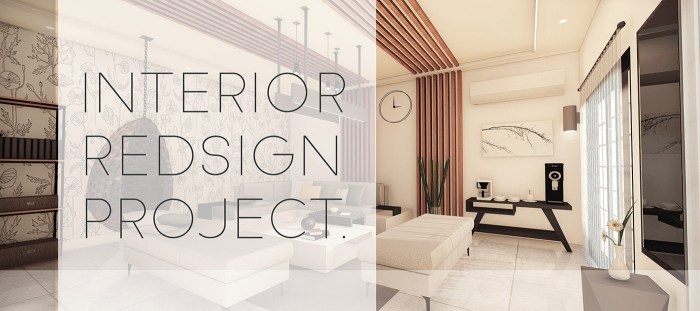
Remodeling your living room can be an exciting journey that not only enhances your space but also adds to your home’s overall value. A successful remodel requires careful planning and consideration of current trends that boost livability. With the right approach, you can create a space that reflects your personality while meeting practical needs.When embarking on a living room remodel, it’s essential to have a structured plan.
This ensures that you cover all necessary aspects before diving into the project. Below is a checklist to help streamline your planning process.
Checklist for Planning a Living Room Remodel
This checklist serves as a guide to keep you on track throughout the remodeling process, ensuring that nothing important is overlooked.
- Define your budget: Establish how much you’re willing to spend on the remodel.
- Determine your goals: Identify the main reasons for remodeling (e.g., more space, updated style).
- Gather inspiration: Collect ideas from magazines, websites, or social media platforms.
- Select a style: Decide on a design style that resonates with you (e.g., modern, rustic, eclectic).
- Choose materials: Research and select flooring, paint colors, and furniture materials.
- Consider lighting: Assess current lighting and plan for additional fixtures to enhance atmosphere.
- Plan furniture arrangement: Visualize how the new layout will flow and function.
- Schedule contractors: If hiring professionals, set timelines and confirm availability.
- Prepare for the unexpected: Allow flexibility in your budget and schedule for unforeseen issues.
Trends in Remodeling That Enhance Home Value and Livability
Staying updated on remodeling trends is crucial for maximizing both livability and property value. Current trends focus on sustainability, functionality, and personalization.
- Open floor plans: Merging living spaces creates a sense of spaciousness and improves flow.
- Eco-friendly materials: Sustainable options appeal to environmentally conscious buyers and can lower energy costs.
- Smart home technology: Integrating tech for lighting, security, and entertainment boosts convenience and market appeal.
- Multi-functional spaces: Designing rooms that serve multiple purposes caters to modern lifestyles.
- Textured finishes: Incorporating mixed materials and textures adds depth and interest to the design.
Case Studies of Successful Living Room Transformations
Examining real-life transformations can inspire your own remodel. Here are a few notable case studies demonstrating effective design choices and outcomes.
- In a mid-century home, a family opened up the living area by removing a wall, creating an inviting space for gatherings. They incorporated large windows, bringing natural light and stunning outdoor views inside.
- A couple upgraded their dated living room with a modern farmhouse aesthetic, using reclaimed wood accents and neutral colors. This shift not only revitalized the room but also attracted potential buyers when they decided to sell.
- In a city apartment, a small living room was transformed using modular furniture, allowing for flexible arrangements. The combination of vibrant colors and clever storage solutions made the space feel larger and more functional.
Outcome Summary
In conclusion, embracing living room redesign ideas offers a fantastic opportunity to enhance not just the aesthetics but also the functionality of your home. By carefully considering design elements, furniture arrangements, and even the integration of technology, you can create a space that truly reflects your personality and meets your lifestyle needs.
Popular Questions
What are some popular color palettes for living rooms?
Popular color palettes include neutral tones, soft pastels, and bold jewel tones, each creating different atmospheres and psychological effects.
How can I make my small living room appear larger?
Using light colors, mirrors, and multi-functional furniture can create an illusion of space in a small living room.
What are some eco-friendly materials to consider for furniture?
Look for furniture made from reclaimed wood, bamboo, or recycled materials, which are both sustainable and stylish.
How can I incorporate technology without cluttering my space?
Use built-in devices, wireless charging stations, and smart home systems to keep technology integrated yet unobtrusive.
What are some tips for layering textures in my living room?
Mix textiles like throw pillows, rugs, and curtains with varying materials, patterns, and colors to add depth and interest to your space.


