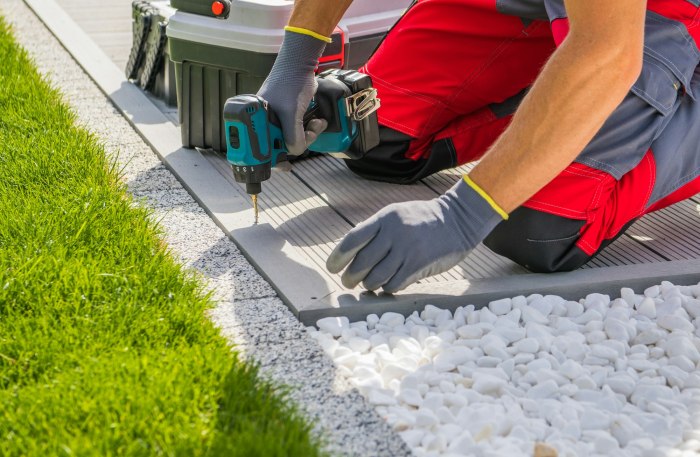
Low-maintenance decking materials are revolutionizing outdoor spaces, providing homeowners with beautiful and functional options that require minimal upkeep. Imagine enjoying your deck without the constant worry of repairs or maintenance; these materials allow you to focus more on relaxation and less on chores.
From composite to PVC decking, the market is rich with choices that not only promise durability but also cater to various aesthetic preferences. Additionally, these materials are often designed with environmental sustainability in mind, making them an appealing choice for eco-conscious consumers.
Introduction to Low-Maintenance Decking Materials
Low-maintenance decking materials have become increasingly popular among homeowners and builders alike, primarily due to their durability and reduced upkeep requirements. These materials offer an attractive alternative to traditional wood decking, which often demands regular staining, sealing, and repair to maintain its appearance and structural integrity. By opting for low-maintenance options, homeowners can enjoy their outdoor spaces more and spend less time on maintenance tasks.When considering low-maintenance decking materials, it’s essential to explore the various types available on the market.
Each option presents unique benefits that cater to different needs and preferences. Popular choices include composite decking, PVC decking, and aluminum decking, each designed to withstand the elements while providing a beautiful finish. Additionally, these materials can significantly reduce the environmental impact compared to traditional wood, as they are often made from recycled materials and can last much longer, thus minimizing waste.
Benefits of Low-Maintenance Decking Materials
The advantages of using low-maintenance decking materials extend beyond just saving time and effort. Here are some key benefits:
- Durability: These materials are engineered to resist fading, scratching, and moisture damage, ensuring they retain their appearance and functionality over time.
- Cost-Effectiveness: While the initial investment may be higher, the reduced maintenance costs and longevity of these materials can lead to significant savings in the long run.
- Safety: Low-maintenance decking materials often come with slip-resistant surfaces, which can enhance safety for families and guests, particularly in wet conditions.
- Design Versatility: Available in a wide range of colors and finishes, low-maintenance decking allows homeowners to customize their outdoor spaces to reflect their personal style.
Popular Types of Low-Maintenance Decking Options
Homeowners have several low-maintenance decking options to choose from, each with its unique set of features and benefits. Below are some of the most popular choices:
- Composite Decking: Made from a blend of wood fibers and plastic, composite decking offers the look of natural wood without the need for regular staining or sealing. It’s resistant to rot, insects, and fading.
- PVC Decking: This all-plastic option is impervious to moisture, making it ideal for wet climates. PVC decking is available in a variety of colors and textures, providing an attractive, long-lasting solution.
- Aluminum Decking: Known for its durability and lightweight properties, aluminum decking is resistant to rust and corrosion. It’s an excellent choice for modern designs and can be painted or coated for aesthetics.
- Wood-Plastic Composites: Combining wood and plastic, this option mimics the look and feel of real wood while providing enhanced durability and resistance to the elements.
Environmental Impact of Low-Maintenance Decking Materials
The environmental footprint of decking materials is an important consideration in today’s eco-conscious world. Low-maintenance decking materials often have a more favorable impact on the environment for several reasons:
Many low-maintenance decking options are made from recycled materials, reducing the demand for virgin resources.
- Recycled Content: Many composite and PVC decking products are manufactured using recycled plastics and wood fibers, contributing to waste reduction.
- Longevity: The durability of these materials means they have a longer lifespan, resulting in less frequent replacement and disposal.
- Reduced Chemical Use: Unlike traditional wood, which requires regular treatments with chemicals to prevent decay and pests, low-maintenance decking materials eliminate the need for these harmful substances.
- Energy Efficiency: Manufacturing processes for low-maintenance decking materials have become increasingly energy-efficient, further lessening their environmental impact.
Comparison of Low-Maintenance Decking Materials
When it comes to selecting low-maintenance decking materials, homeowners often find themselves weighing the pros and cons of various options. In this section, we will compare composite decking and PVC decking, delve into the advantages and disadvantages of wood decking in relation to synthetic options, and explore the cost-effectiveness of different materials over time.
Composite Decking vs. PVC Decking
Composite decking and PVC decking are two popular choices for low-maintenance outdoor spaces. Both materials boast impressive durability, but they differ in composition and maintenance requirements.
- Durability: Composite decking is made from a mix of wood fibers and plastic, which allows it to resist warping, splintering, and fading. PVC decking, made entirely of polyvinyl chloride, is even more resistant to moisture and pests, making it an excellent option for areas with high humidity or insect activity.
- Maintenance: Both materials require minimal upkeep. Composite decks may need occasional cleaning to remove dirt and stains, while PVC decks typically require only a simple wash with soap and water due to their non-porous surface.
Pros and Cons of Wood Decking vs. Synthetic Options
Wood decking has long been favored for its natural beauty and warmth, but synthetic options like composite and PVC are gaining popularity for their low maintenance needs.
- Wood Decking Pros: Wood offers an aesthetic appeal and a traditional feel that many homeowners love. It can be stained or painted to match various styles, providing versatility in design.
- Wood Decking Cons: However, wood requires regular maintenance, including sealing and staining, to protect against rot, insects, and fading from sun exposure. Without proper care, wood can become prone to splintering and warping over time.
- Synthetic Options Pros: Synthetic materials are designed for longevity and require less upkeep. They don’t splinter, fade, or rot, making them ideal for families with children or pets.
- Synthetic Options Cons: While synthetic decking materials can mimic the look of wood, some homeowners may find they lack the authentic feel of natural wood underfoot.
Cost-Effectiveness of Different Decking Materials
Investing in decking materials goes beyond the initial costs; it’s essential to consider long-term expenditures, including maintenance, repair, and replacement.
- Wood Decking Costs: The initial cost of wood decking can be lower than synthetic options, typically ranging from $15 to $30 per square foot. However, ongoing maintenance can add up significantly, potentially increasing the total cost over time to around $50 or more per square foot.
- Composite Decking Costs: Composite decking tends to have a higher upfront cost, usually between $30 and $45 per square foot. However, with minimal maintenance needs and a lifespan of around 25 years or more, it can prove to be a cost-effective choice.
- PVC Decking Costs: PVC decking often falls within the range of $30 to $50 per square foot. Given its durability and lack of required maintenance, it often represents a wise long-term investment.
Choosing the Right Low-Maintenance Decking Material
Selecting the right low-maintenance decking material is crucial for ensuring longevity and satisfaction in outdoor spaces. The decision will hinge on multiple factors, including climate, intended use, design preferences, and the reputation of manufacturers. This guide aims to streamline the selection process, providing key insights into what to consider for an optimal choice.
Climate and Usage Considerations
Understanding the climate in your area and how you plan to use your deck are pivotal in selecting the appropriate material. Different materials perform variably under diverse conditions such as moisture, temperature fluctuations, and UV exposure.
- Moisture Levels: In areas with high humidity or frequent rainfall, opt for materials that resist mold and mildew, like composite or PVC decking.
- Temperature Extremes: Regions experiencing harsh winters or hot summers should consider materials that withstand significant temperature changes without warping, such as capped composite or aluminum.
- Usage Type: For high-traffic areas, sturdy materials like vinyl or high-density polyethylene are advisable as they provide durability and resistance to scratches and dents.
Aesthetics and Design Preferences
Aesthetic appeal is often a key factor when choosing decking materials. The right decking not only enhances your outdoor space but also complements your home’s architectural style.
- Color and Finish: Low-maintenance options are available in a variety of colors and textures, allowing homeowners to match their decks with existing outdoor decor.
- Style Consistency: Consider the visual coherence between decking materials and other outdoor elements such as railings and furniture.
- Customizability: Some materials allow for more customization in terms of shape and design features, such as inlays or unique patterns.
Importance of Warranty and Manufacturer Reputation
When selecting a decking material, the warranty provided by the manufacturer serves as a testament to the product’s quality and durability. A strong warranty can offer peace of mind regarding long-term performance.
- Manufacturer Reputation: Research brands known for quality and customer satisfaction. Established manufacturers often have a track record of standing by their products.
- Warranty Length: Longer warranties typically indicate confidence in the product’s lifespan and resistance to common issues.
- Coverage Details: Understand what the warranty covers, including fading, staining, and structural integrity to avoid unexpected costs down the line.
Choosing quality materials backed by reliable warranties can significantly enhance your decking investment.
Installation of Low-Maintenance Decking
Installing low-maintenance decking materials is a straightforward process that can significantly enhance your outdoor space while minimizing upkeep. With proper preparation and the right tools, you can achieve a professional-looking deck without the hassle of constant maintenance. This guide will walk you through the essential tools and materials needed for installation, along with a step-by-step procedure for installing composite decking.
Essential Tools and Materials for Decking Installation
Before starting your decking project, gather all necessary tools and materials to ensure a smooth installation process. The following items are typically required:
- Composite decking boards
- Deck framing materials (pressure-treated wood or composite)
- Deck screws (preferably corrosion-resistant)
- Drill and drill bits
- Saw (circular saw or miter saw)
- Measuring tape
- Level
- Rubber mallet
- Fastening tools for hidden fasteners (if applicable)
- Safety gear (gloves, goggles)
Having these tools and materials on hand will streamline your installation process and help you achieve a sturdy, long-lasting deck.
Step-by-Step Procedures for Installing Composite Decking
Installing composite decking requires a methodical approach to ensure proper fit and alignment. Follow these steps for a successful installation:
- Prepare the Area: Clear the installation site of debris and vegetation. Ensure the ground is level and compacted.
- Build the Frame: Construct the frame using pressure-treated wood or composite material. Make sure the joists are spaced according to the manufacturer’s specifications, usually 16 inches apart.
- Check for Level: Use a level to confirm that the frame is even. Adjust as necessary to prevent water pooling.
- Install the Decking Boards: Begin laying the composite decking boards from one end of the frame, securing them with deck screws. If using hidden fasteners, follow the manufacturer’s instructions for installation.
- Cut Boards to Fit: Use a saw to cut boards to length as needed. Ensure cuts are clean for a professional appearance.
- Maintain Gaps: Leave appropriate gaps between boards for expansion and drainage, typically 1/4 inch.
- Secure All Boards: Once all boards are in place, check for any loose screws and tighten them as needed.
By following these steps diligently, you will create a robust and visually appealing deck that will stand the test of time.
Maintaining a Level Surface and Ensuring Proper Drainage
Achieving a level surface and ensuring efficient drainage are crucial for the longevity of your deck. Here are some tips to help you during installation:
- Use a Laser Level: For the most accurate leveling, consider using a laser level. This tool provides a precise reference line to maintain consistency across the decking surface.
- Grade the Area: Ensure that the ground slopes away from your house to facilitate drainage. A slope of at least 1% is recommended.
- Install Drainage Channels: If necessary, incorporate drainage channels or gravel beds beneath the deck to direct water flow away from the structure.
- Regular Checks: During installation, periodically check the level of the surface before securing each board to avoid future adjustments.
- Consider Ventilation: Ensure proper airflow under the deck to prevent moisture buildup, which can lead to mold and deterioration.
By implementing these tips, you’ll create a safe and functional outdoor living space that minimizes maintenance challenges in the future.
Landscaping and Outdoor Decorating with Low-Maintenance Decking

Integrating low-maintenance decking into your outdoor spaces can elevate the aesthetic appeal of your landscape while minimizing upkeep. This versatile material not only offers durability but also serves as a canvas for creativity, making it an excellent choice for various outdoor decorating ideas. The right design elements can transform your decking area into a cozy retreat or an entertaining space that complements your overall landscape.Low-maintenance decking is not just a functional surface; it can also be the foundation on which you build an outdoor oasis.
By carefully selecting and arranging furniture, decor, and plants, you can create an inviting environment. Here are a few ideas for enhancing your outdoor space using low-maintenance decking.
Integrating Decking into Landscape Designs
Using low-maintenance decking as part of your landscape design allows for seamless blending of natural and constructed elements. Consider the following strategies to effectively incorporate decking:
- Multi-Level Decking: Elevate your landscaping by creating multi-tiered decking areas. This design allows for distinct zones, such as dining, lounging, and gardening, giving your outdoor space versatility and visual interest.
- Decking Pathways: Use decking boards to create pathways through your garden or yard. This not only adds a modern touch but also directs foot traffic and enhances accessibility.
- Built-In Planters: Incorporate built-in planters around your decking. These can frame the area with greenery, creating a natural boundary while adding color and texture.
Foundation for Outdoor Furniture and Decor
The solid surface of low-maintenance decking is ideal for supporting outdoor furniture and decor, allowing you to set up functional and comfortable spaces. When selecting furniture, consider:
- Weather-Resistant Materials: Opt for outdoor furniture made of materials like aluminum, teak, or synthetic wicker. These options pair well with decking and withstand the elements.
- Flexible Seating Arrangements: Choose modular seating that can be rearranged to suit different occasions. This flexibility enables easy adaptations for gatherings or family events.
- Outdoor Rugs: Use weather-resistant outdoor rugs to define seating areas, adding warmth and style. They create a cozy atmosphere while contrasting the hard surface of the decking.
The Role of Plants and Outdoor Lighting
To further enhance your low-maintenance decking area, incorporating plants and outdoor lighting is essential. These elements create a more inviting and functional space. Consider the following:
- Container Gardening: Use potted plants or vertical gardens on your decking. Choose low-maintenance plants like succulents or ornamental grasses that thrive with minimal care.
- Lighting Options: Introduce outdoor lighting, such as string lights, lanterns, or integrated deck lighting. These elements provide ambiance and extend the usability of your space into the evening.
- Seasonal Decor: Rotate seasonal decorations, such as planters and table centerpieces, to keep the space lively throughout the year. This allows for personalization without significant effort.
Interior Design and Home Improvements
Low-maintenance decking materials are not just an outdoor asset; they significantly enhance indoor and outdoor living spaces, creating a cohesive design aesthetic that can elevate your home’s value and functionality. These materials offer homeowners the flexibility to seamlessly blend their indoor and outdoor environments, making spaces feel larger and more inviting.The influence of low-maintenance decking on home improvements extends beyond mere aesthetics.
It provides practical solutions for those looking to enhance their living spaces with durable and versatile materials that require minimal upkeep. When integrated effectively, low-maintenance decking can enrich the overall design of a home, making areas more usable and harmoniously connected.
Seamless Transitions Between Indoor Flooring and Outdoor Decking
Creating a fluid connection between indoor and outdoor spaces enhances both visual appeal and functionality. To achieve a seamless transition, consider the following design elements:
1. Consistent Materials
Using the same or similar materials for both indoor flooring and outdoor decking can create a unified look. For instance, composite decking can mirror the aesthetic of hardwood flooring, allowing for a smooth visual transition.
2. Color Coordination
Maintaining a consistent color palette helps blend the spaces. Warm-toned deck boards can complement wooden flooring indoors, while cooler shades can match modern tile or laminate finishes.
3. Threshold Design
A flush threshold where sliding doors open onto the deck can eliminate tripping hazards and enhance accessibility, making both spaces feel like one continuous area. This design choice not only improves functionality but also maximizes the flow of natural light.
4. Strategic Lighting
Incorporating lighting that works in both spaces can enhance the ambiance. Consider recessed lighting or stylish outdoor fixtures that mirror indoor designs to maintain continuity.
5. Textural Harmony
Mixing textures can add depth to the design. Pairing smooth indoor floors with the slightly textured surface of low-maintenance decking creates visual interest without detracting from the seamless look.
Creating a seamless indoor-outdoor connection can transform a home into a cohesive living environment, enhancing both aesthetic appeal and functionality.
Design Possibilities with Low-Maintenance Materials in Kitchen Renovations
Low-maintenance materials open a world of design possibilities, especially in kitchen renovations. These materials not only provide durability but also offer aesthetic versatility. Here are some innovative ideas for incorporating low-maintenance materials in kitchen designs:
1. Countertops and Backsplashes
Materials like quartz or solid surface countertops, which require minimal upkeep, can be paired with low-maintenance decking as a backsplash, tying the indoor and outdoor elements together visually.
2. Island Integration
Designing kitchen islands with low-maintenance decking can create a consistent look with outdoor dining areas, encouraging a harmonious transition between cooking and entertaining spaces.
3. Cabinetry Accents
Using low-maintenance materials for cabinetry accents can add character without the worry of frequent repairs. For example, reclaimed wood or composite materials can provide a rustic charm while remaining easy to care for.
4. Open Concept Enhancements
In open-concept kitchens, using low-maintenance flooring that extends into the living room can enhance the flow. It also simplifies cleaning and maintenance, making daily life easier.
5. Outdoor Kitchen Extensions
For those who love entertaining, extending the kitchen outdoors with low-maintenance decking allows for outdoor cooking and dining, seamlessly merging the two spaces for gatherings.Incorporating low-maintenance materials into kitchen renovations not only simplifies upkeep but also enhances the overall aesthetic, making the kitchen a more inviting and functional space. The right choices can transform your home into a stylish and harmonious environment, perfect for both living and entertaining.
Pest Control Considerations for Decking
Outdoor decking can be a delightful addition to any home, providing a perfect space for relaxation and entertainment. However, it’s essential to consider how pests can affect the longevity and integrity of your decking materials. Common pests such as termites, ants, and wood-boring beetles can wreak havoc on wooden decks, while mold and mildew can pose threats to various low-maintenance materials.
Understanding pest control strategies is key to preserving your outdoor oasis.Preventing pest infestations is crucial for maintaining the condition of your decking. Pests often find their way onto decks seeking food, water, and shelter. Observing their patterns can help in developing effective strategies for prevention. Here are some common pests that can affect outdoor decking and methods for prevention:
Common Pests and Prevention Methods
Several pests are notorious for targeting outdoor decks. Understanding them will help in formulating a defensive strategy. Here are some pests to watch out for and the preventative measures you can take:
- Termites: These wood-destroying insects thrive in damp environments. To prevent termite damage, ensure that there are no wooden structures in direct contact with the ground and regularly check for signs of infestation, like mud tubes or hollow-sounding wood.
- Ants: Carpenter ants can damage wood by nesting in it. Keep the deck clear of food debris and regularly inspect for nests. Sealing any cracks and crevices can deter them.
- Wood-Boring Beetles: These pests can weaken the structure of wooden decks. Using wood preservatives and maintaining a dry environment can guard against infestations.
- Mold and Mildew: These can grow on various decking materials if not properly maintained. Regular cleaning with gentle soap solutions and ensuring proper drainage will help prevent their growth.
Implementing these preventative steps not only protects your deck but also enhances its durability and aesthetic appeal.
Pest Control Strategies for Low-Maintenance Materials
Low-maintenance decking materials are designed to withstand various environmental stresses, but they are not entirely pest-proof. Here are tailored pest control strategies for these materials:
- Composite Decking: Although resistant to termites, composite decking can still host mold and mildew. Regular cleaning with a mild detergent and water, along with the application of a mold-resistant sealant, can prevent issues.
- Vinyl Decking: This material is less attractive to pests due to its synthetic nature. However, regularly cleaning any debris and ensuring proper drainage can minimize the risk of mold.
- Aluminum Decking: This is naturally resistant to pests and won’t rot or warp. Nonetheless, keeping the deck clean and checking for loose fittings will maintain its integrity.
By understanding the specific vulnerabilities and strengths of low-maintenance materials, you can implement effective pest control strategies that ensure the longevity and safety of your deck.
Importance of Regular Inspections
Conducting regular inspections is a fundamental aspect of pest control and maintenance. Inspections allow you to catch potential problems before they escalate into serious issues. During inspections, look for signs of pest activity, including damaged areas or unusual droppings.
Regular inspections not only help in early detection of pest issues but also allow for timely repairs, thereby maintaining the integrity and safety of your outdoor spaces.
By staying proactive and diligent in your approach to pest control for your decking, you can enjoy your outdoor space without the worry of unwelcome pests compromising its structural integrity.
Maintenance Tips for Low-Maintenance Decking
Taking care of your low-maintenance decking is essential for ensuring its longevity and aesthetic appeal. While these materials require less upkeep than traditional wood decking, they still benefit from regular maintenance and cleaning practices. Knowing the right methods to maintain different types of decking can help preserve their appearance and functionality over time.Different decking materials, such as composite, PVC, and aluminum, have unique cleaning requirements.
Regular maintenance practices will not only extend the life of your decking but also keep it looking fresh and inviting. Below are the recommended cleaning practices for various low-maintenance decking materials.
Cleaning Practices for Different Decking Materials
Understanding how to clean your decking effectively is crucial. Here’s a breakdown of recommended practices for various types of low-maintenance decking materials:
- Composite Decking: Regularly sweep to remove debris. Clean with a mixture of mild soap and water, using a soft-bristle brush to avoid scratches. Rinse thoroughly with a hose. For stubborn stains, a pressure washer set on a low setting can be used.
- PVC Decking: Similar to composite, PVC decking requires sweeping and washing with mild soap and water. Use a non-abrasive pad to scrub away grime. Rinse well, and avoid cleaners containing bleach, as they can harm the material.
- Aluminum Decking: Wipe down with a soft cloth and mild detergent to keep it clean. For tougher stains, use a non-abrasive cleaner. Rinse with water to maintain its shine and prevent residue build-up.
Seasonal maintenance is key to preserving the quality and appearance of your decking. A well-organized checklist ensures that you do not overlook essential tasks throughout the year.
Seasonal Maintenance Checklist
To maintain your decking in optimal condition, consider using the following seasonal maintenance checklist:
- Spring: Inspect for any damage from winter weather. Clean the surface and remove debris. Check for loose boards or fasteners.
- Summer: Perform a deep clean using appropriate cleaning solutions for your decking type. Inspect for mold or mildew and treat if needed.
- Fall: Clear leaves and debris regularly to prevent staining and mold growth. Conduct a thorough inspection and tighten any loose hardware.
- Winter: Remove snow and ice promptly to avoid buildup. Use a plastic shovel to prevent scratches, and avoid salt, which can damage some types of decking.
Mold and mildew can be a concern for outdoor decking, especially in humid environments. Implementing preventive measures can help maintain a clean and safe decking surface.
Preventing Mold and Mildew Growth
Taking proactive steps to prevent mold and mildew is essential for maintaining your decking. Here are some expert tips:
- Keep it Dry: Ensure proper drainage and avoid water pooling on your deck. Water features should be positioned away from decking.
- Regular Cleaning: Clean your decking regularly to remove dirt, leaves, and organic matter that can foster mold growth. Utilize a mixture of vinegar and water as a natural mold deterrent.
- Choose the Right Products: Use cleaning products specifically designed for your decking material to avoid chemical reactions that could lead to mold growth.
- Sunlight Exposure: Trim nearby plants and trees to maximize sunlight exposure on your deck, as sunlight inhibits mold and mildew growth.
Home Remodeling Projects Featuring Low-Maintenance Decking
Integrating low-maintenance decking into home remodeling projects can significantly enhance both functionality and beauty. Homeowners seeking to upgrade their outdoor living spaces will find that these materials not only reduce upkeep but also contribute to a cohesive aesthetic across various areas of the property. This section will explore the types of remodeling projects benefiting from low-maintenance decking, its impact on home value, and successful case studies that illustrate the transformative power of these materials.
Remodeling Projects Benefiting from Low-Maintenance Decking
Several remodeling projects can greatly benefit from the inclusion of low-maintenance decking. Whether enhancing outdoor spaces or creating functional extensions of living areas, homeowners can look for specific opportunities to incorporate these materials. Notably, these projects can elevate the overall living experience while minimizing the hassle associated with traditional wood decking.
- Patios and Terraces: Upgrading a patio with low-maintenance decking can create a seamless transition from indoor to outdoor spaces, promoting an inviting atmosphere for gatherings and relaxation.
- Deck Extensions: Expanding an existing deck or creating new outdoor areas provides additional space for entertaining. Low-maintenance materials reduce the need for frequent repairs and upkeep.
- Walkways and Pathways: Utilizing low-maintenance decking for walkways not only complements landscaping but also ensures durability and resistance to weather conditions.
- Outdoor Kitchens: Adding decking to outdoor kitchen spaces enhances aesthetics while providing a low-maintenance surface that stands up to spills and heat.
- Pool Decks: Low-maintenance materials are ideal for pool decks, offering slip-resistance and durability, which are crucial for safety and longevity.
Impact of Decking on Home Value and Aesthetic Appeal
The inclusion of low-maintenance decking can significantly elevate a home’s market value and aesthetic appeal. This impact stems from several critical factors that potential buyers consider when evaluating properties. A well-designed outdoor space with stylish decking can provide a competitive edge in the housing market.
- Increased Curb Appeal: Attractive decking can enhance the overall visual appeal of a property, making it more inviting to potential buyers.
- Functional Outdoor Living Space: Decks that seamlessly blend with the home’s architecture expand usable living space, which is an attractive feature for many homeowners.
- Reduced Future Maintenance Costs: Low-maintenance materials can be a selling point, as buyers appreciate the long-term savings associated with less upkeep and repairs.
- Eco-Friendly Choices: Many low-maintenance decking options are made from recycled materials, appealing to environmentally conscious buyers.
- Customization Options: The variety of styles and colors available in low-maintenance decking allows homeowners to create unique outdoor aesthetics that align with personal taste.
Case Studies of Successful Home Renovations
Examining successful home renovations that incorporated low-maintenance decking provides valuable insights into its practical benefits and aesthetic enhancements. These case studies showcase how homeowners transformed their spaces while ensuring long-term durability and minimal upkeep.
“The Smith family renovated their backyard by installing low-maintenance decking, creating a serene outdoor retreat that increased their property value by 15%.”
- Case Study 1: The Johnsons remodeled their backyard with a multi-level deck constructed from composite materials. This project not only improved the functionality of their outdoor space but also made their home more attractive to buyers, ultimately leading to a sale above their asking price.
- Case Study 2: The Thompsons enhanced their mid-century home with low-maintenance decking around their swimming pool. The non-slip surface and stylish design increased safety and charm, resulting in a 10% increase in home valuation.
- Case Study 3: A family in a suburban neighborhood opted for low-maintenance decking to expand their outdoor entertaining area. They incorporated built-in seating and planters, creating a multifunctional space that became a central feature of their home, significantly boosting their enjoyment and home equity.
Sustainable Practices in Decking
The push for sustainable living has made its way into the realm of decking materials, encouraging homeowners and builders to prioritize eco-friendly options. Sustainable practices in decking not only minimize environmental impact but also promote responsible consumption and waste management. By selecting low-maintenance decking materials that are produced sustainably, individuals can contribute to a healthier planet while enjoying the benefits of durable and stylish outdoor spaces.Sustainable decking practices begin with understanding the lifecycle of decking materials.
The selection process should incorporate considerations for the sourcing, production, use, and disposal of materials to ascertain their overall environmental footprint. By opting for materials that are renewable, recyclable, or made from recycled content, one can significantly lessen the ecological impact associated with traditional decking options.
Choosing Eco-Friendly Low-Maintenance Decking Materials
When selecting low-maintenance decking materials, it’s crucial to assess their environmental friendliness. The following criteria can help in making informed choices:
Renewable Resources
Look for decking materials made from sustainably sourced wood, such as FSC-certified lumber. These sources are managed in a way that maintains biodiversity and forest health.
Recycled Content
Composite decking that includes recycled plastic or wood fibers is an excellent choice, as it reduces the need for new raw materials and minimizes waste.
Non-Toxic Finishes
Opt for materials that use low-VOC (volatile organic compounds) finishes or coatings, ensuring that harmful chemicals are not released into the environment during production or use.
Durability and Longevity
Choose materials known for their long lifespan, which minimizes the frequency of replacement and waste generation.By focusing on these criteria, homeowners can confidently invest in decking that aligns with their values regarding environmental responsibility.
Lifecycle of Decking Materials and Their Sustainability Impact
Understanding the lifecycle of decking materials is essential for assessing their overall sustainability. The lifecycle includes the following stages:
1. Extraction and Sourcing
The initial phase involves the harvesting of raw materials, which can have significant environmental impacts if not done sustainably. Sustainable sourcing ensures that ecosystems are preserved and exploited resources are replenished.
2. Manufacturing
The production process should employ energy-efficient methods and reduce waste. Modern manufacturers may use renewable energy sources and sustainable practices to mitigate their environmental footprint.
3. Transportation
The distance materials must travel affects their carbon footprint. Sourcing materials locally can reduce transportation emissions significantly.
4. Installation
Low-maintenance materials typically require less labor and fewer chemical treatments, contributing to reduced environmental impact during installation.
5. End-of-Life
Consideration of how materials are disposed of or recycled at the end of their lifespan is crucial. Materials that can be repurposed or recycled minimize landfill waste.By evaluating each stage of the lifecycle, consumers can choose decking materials with a lower overall environmental impact.
Recycling and Repurposing Old Decking Materials Responsibly
Recycling and repurposing old decking materials is a key component of sustainable decking practices. Responsible disposal and creative reuse can significantly reduce waste. Here are some effective strategies:
Donation
Many organizations accept used building materials for reuse in community projects or low-income housing. Donating old decking can give it a new lease on life while supporting local initiatives.
Repurposing
Old decking boards can be transformed into garden planters, furniture, or decorative features in landscaping. This creative reuse not only prevents waste but also adds unique elements to outdoor spaces.
Recycling
Many composite decking manufacturers offer recycling programs that accept old decking materials. This helps ensure that the materials are reprocessed and incorporated into new products, rather than ending up in landfills.By being proactive about the disposal of old decking materials, homeowners can contribute to a circular economy and minimize their environmental impact.
Wrap-Up
In conclusion, low-maintenance decking materials provide a perfect blend of beauty, functionality, and minimal upkeep, making them an ideal solution for modern homeowners. By choosing the right material and installation method, you can enhance your outdoor living area and enjoy it for years to come without the hassle of constant maintenance.
Query Resolution
What are the benefits of low-maintenance decking materials?
They require less upkeep, are often more durable, and can enhance outdoor aesthetics without the frequent repairs associated with traditional wood.
How do I clean low-maintenance decking?
Most low-maintenance decking can be cleaned with soap and water; however, specific cleaning products may be recommended based on the material type.
Are low-maintenance decking materials eco-friendly?
Many options are made from recycled materials and are designed to last longer, reducing waste and environmental impact.
Can I install low-maintenance decking myself?
Yes, with the right tools and guidance, many homeowners can successfully install low-maintenance decking themselves.
What is the lifespan of low-maintenance decking?
Depending on the material, low-maintenance decking can last anywhere from 25 to 50 years, making it a long-term investment.


