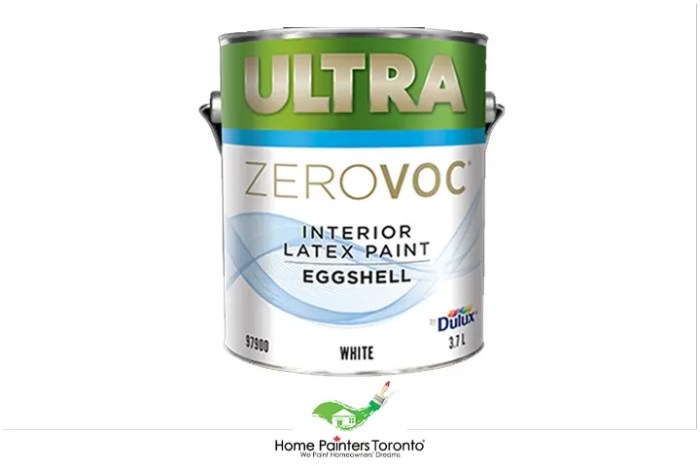
Exploring Low-VOC paint brands opens up a world of eco-friendly choices that not only beautify your home but also promote healthier indoor environments. As awareness grows about the impact of volatile organic compounds on air quality and health, more homeowners and decorators are turning to these innovative paint solutions.
Low-VOC paints are formulated to reduce harmful emissions, making them suitable for all types of interior and exterior applications. From kitchens to living rooms and even outdoor spaces, these paints come in a variety of colors and finishes, allowing for creative expression while maintaining a commitment to sustainability.
Low-VOC Paint Brands Overview
Low-VOC paints have gained popularity due to their reduced environmental impact and improved indoor air quality. VOC, or volatile organic compounds, are chemicals that evaporate at room temperature and can contribute to air pollution and health issues. Low-VOC paints are formulated with fewer of these harmful chemicals, making them a safer choice for both consumers and the environment. This overview will delve into the benefits of low-VOC paints, highlight popular brands, and share consumer experiences to provide a comprehensive understanding of this eco-friendly option.Low-VOC paints offer several advantages that appeal to environmentally conscious consumers.
They typically emit fewer odors, which makes them suitable for use in occupied spaces without causing discomfort. Additionally, low-VOC formulations help reduce the risk of respiratory issues and other health problems associated with traditional paint. These paints also come in a variety of colors and finishes, providing consumers with aesthetic choices without compromising their health or the environment.
Popular Low-VOC Paint Brands
Several brands have established themselves as leaders in the low-VOC paint market, each with unique features that cater to various consumer needs. Below are some of the most recognized brands along with their standout characteristics:
- Benjamin Moore Aura: Known for its durability and washability, Aura offers a premium quality paint with a wide range of colors. Its low-VOC formula ensures minimal odor and a healthier indoor environment.
- Behr Premium Plus: This brand provides an affordable option with its low-VOC line. Behr paints are known for their excellent coverage and variety of finishes, making it a popular choice for DIY projects.
- Sherwin-Williams Harmony: Designed specifically for healthier living spaces, Harmony paint is formulated with antimicrobial agents that help resist mold and mildew. It offers a vast color palette and is easy to apply.
- Valspar Signature: With a reputation for vibrant colors and excellent coverage, Valspar Signature also emphasizes low-VOC content, which helps maintain a fresh indoor environment.
- Farrow & Ball: This brand is renowned for its rich, unique colors and high-quality finish. Farrow & Ball paints are all low-VOC and feature natural pigments that provide depth and character to spaces.
Consumer experiences with low-VOC paints reflect their growing popularity and effectiveness. Many users report satisfaction with the performance and finish of these paints, highlighting their ease of application and quick drying times.
“Using low-VOC paint made a noticeable difference in my home’s air quality, especially during the renovation.”
A satisfied customer
From personal testimonials, it is evident that homeowners appreciate the balance of environmental responsibility and aesthetic appeal that low-VOC brands provide. Products from these brands not only meet safety standards but also deliver on durability and color richness, making them a preferred choice for many consumers looking to enhance their living spaces responsibly.
Importance of Low-VOC Paint in Interior Design
Low-VOC (Volatile Organic Compounds) paints play a pivotal role in creating healthy and aesthetically pleasing indoor environments. These paints contribute significantly to improving indoor air quality and overall well-being, making them a wise choice for both professional and DIY interior design projects. As awareness of health and environmental concerns grows, the demand for low-VOC options continues to rise, influencing design choices and product offerings.The impact of Low-VOC paints on indoor air quality is profound.
Traditional paints release harmful chemicals into the air, which can lead to respiratory issues, headaches, and other health problems. In contrast, Low-VOC paints minimize the emission of these toxins, resulting in a safer living space. Utilizing Low-VOC options not only enhances the comfort of your home but also supports a healthier lifestyle.
Impact on Aesthetics and Design Choices
Low-VOC paints offer vibrant colors and finishes that can significantly enhance interior aesthetics. Their formulation allows for a wide range of finishes—from matte to glossy—providing flexibility in design without compromising on health. When opting for Low-VOC paints, interior designers can achieve beautiful and sophisticated looks while ensuring the safety and well-being of occupants.When selecting Low-VOC paints for various rooms, certain considerations should be taken into account to ensure optimal results.
Each space has unique needs, and understanding these can greatly influence the choice of paint. Key factors to consider include:
- Room Functionality: High-traffic areas like kitchens and living rooms may require more durable finishes that can withstand wear and tear, while bedrooms might prioritize tranquility and soothing colors.
- Lighting Conditions: The amount of natural light in a room can greatly affect how paint colors appear. Low-VOC paints come in various shades, and testing samples in different lighting can guide the best choice.
- Material Compatibility: Ensure the paint adheres well to existing surfaces, whether drywall, wood, or metal, to achieve a lasting finish.
- Emotional Impact: Colors can evoke feelings and moods. Choosing the right shade can enhance the intended atmosphere; for example, calming blues in a bedroom or energizing yellows in a home office.
Incorporating Low-VOC paints into interior design not only supports sustainable practices but also enhances the aesthetic appeal of spaces. By embracing these options, designers can achieve remarkable results that are both visually stunning and health-conscious, creating environments that nurture the mind and body.
Low-VOC Paint for Kitchen Improvements
Renovating a kitchen involves carefully considering both aesthetics and health, making Low-VOC paint a top choice for modern designs. Kitchen spaces often require durable finishes that can withstand high humidity and frequent cleaning, while also ensuring a safe environment for food preparation and family gatherings. Low-VOC (volatile organic compounds) paints not only help in reducing indoor air pollution but also contribute to a more pleasant renovation experience.Low-VOC paint is essential for kitchen renovations due to its lower environmental impact and improved indoor air quality.
Traditional paints release harmful VOCs that can linger in the air long after application, which is especially concerning in a space dedicated to food and family interactions. By choosing Low-VOC options, homeowners can create a healthier kitchen while minimizing the strong odors usually associated with paint. Moreover, many Low-VOC paints now offer excellent coverage and durability, making them suitable for the demands of kitchen environments.
Low-VOC Color Palettes for Kitchens
When selecting colors for a kitchen, it is crucial to choose shades that not only complement the space but also enhance its functionality and mood. Low-VOC paints come in a variety of beautiful color palettes that can transform a kitchen into a warm and inviting area. Here are some popular Low-VOC color palettes suitable for kitchens:
- Soft Neutrals: Shades like warm whites, light grays, and beige create a calming and timeless backdrop, allowing appliances and décor to stand out.
- Earthy Tones: Colors such as sage green, terracotta, and soft browns add a natural touch that promotes a cozy atmosphere, perfect for rustic or modern kitchens.
- Bold Accents: Deep blues, rich greens, and vibrant yellows can be used as accent walls or kitchen islands, providing a pop of color that energizes the space.
- Pastel Hues: Light pastels like mint, peach, or lavender can create an airy feel, making a kitchen look more spacious and cheerful.
Choosing the right color palette not only enhances the visual appeal of a kitchen but also contributes to the overall ambiance and functionality.
Effective Application of Low-VOC Paint in Kitchens
Applying Low-VOC paint in kitchen spaces requires attention to detail to ensure a flawless finish. Here are effective tips for utilizing Low-VOC paint during your kitchen improvements:
Prepare Surfaces
Ensure all surfaces are clean, dry, and free from grease or residues. This step guarantees better adhesion and a smoother finish.
Use the Right Tools
Opt for high-quality brushes and rollers specifically designed for the type of paint you are using. This minimizes streaks and provides even coverage.
Ventilation is Key
Even though Low-VOC paints have fewer harmful emissions, proper ventilation during application helps in drying and reduces any lingering odors.
Consider Multiple Coats
Depending on the color and the surface, multiple coats may be necessary. Allow adequate drying time between coats for optimal results.
Test Samples
Before committing to a color, always test samples in the actual space. Lighting can greatly affect how colors appear, so viewing samples at different times of day is beneficial.By following these guidelines, homeowners can achieve a professional-looking finish while ensuring a healthier environment in one of the most important spaces in the home.
Low-VOC Paint in Landscaping and Outdoor Decorating
Low-VOC (volatile organic compound) paints have become essential in enhancing our outdoor spaces while preserving the environment. The transition to using these eco-friendly paints not only contributes to better air quality but also adds vibrant colors and styles to outdoor furniture and decorations. This approach in landscaping and outdoor decorating allows homeowners to enjoy their outdoor environments without compromising their health or the health of the planet.The integration of Low-VOC paint into outdoor furniture and decor plays a significant role in creating a sustainable and visually appealing outdoor space.
These paints are designed to withstand various weather conditions while minimizing harmful emissions. When selecting Low-VOC paints for external use, it’s essential to choose products specifically formulated to resist fading, moisture, and mildew, ensuring that your painted items maintain their beauty and integrity over time.
Suitable Low-VOC Paint Brands for Outdoor Use
When considering Low-VOC paints for outdoor furniture and decor, several brands stand out for their quality and performance. Below are some notable brands that offer excellent Low-VOC options suitable for outdoor applications:
- Benjamin Moore: Their “Aura” and “Regal Select” lines have Low-VOC options specifically designed for exterior use, providing durability and a rich finish.
- Behr: Known for their “Premium Plus” line, Behr offers Low-VOC exterior paints that provide fantastic coverage and resistance to mildew.
- Sherwin-Williams: The “Emerald” line by Sherwin-Williams features Low-VOC formulas designed for excellent adhesion and long-lasting color in outdoor spaces.
- Valspar: Valspar’s “Reserve” exterior paint is available in Low-VOC options, ensuring you get a protective finish without harmful emissions.
The choice of these brands ensures optimal performance and minimal environmental impact, allowing homeowners to beautify their outdoor areas with peace of mind.
Maintenance of Low-VOC Painted Outdoor Items
Maintaining outdoor furniture and decor painted with Low-VOC products is crucial for prolonging their life and appearance. Regular maintenance practices not only help preserve the paint but also enhance the overall aesthetic of your outdoor space. Here are some key maintenance tips for Low-VOC painted items:
- Regular Cleaning: Gently clean the surfaces with a mild soap solution and a soft cloth to remove dirt and debris. This prevents buildup that could damage the paint.
- Avoid Harsh Chemicals: Use only non-toxic cleaners to prevent degrading the Low-VOC paint. Avoid bleach or other strong chemicals that may cause discoloration.
- Inspect for Damage: Periodically check for any chips or scratches in the paint. Addressing these issues promptly can help prevent further deterioration.
- Reapply Protective Coatings: Depending on the type of paint used, applying a protective topcoat every few years can help maintain the paint’s integrity and sheen.
By following these maintenance practices, homeowners can ensure that their Low-VOC painted outdoor items remain vibrant and functional, contributing to a sustainable and beautiful landscaping aesthetic.
Low-VOC paints are not just eco-friendly; they also offer durability and aesthetic appeal, making them an ideal choice for outdoor applications.
Low-VOC Paint and Home Lighting
Low-VOC paints play a significant role in enhancing the aesthetic appeal of any space, and their interaction with home lighting is particularly noteworthy. Choosing the right colors can dramatically influence how natural and artificial light is perceived within a room. Understanding this relationship enables homeowners and designers to create harmonious and inviting atmospheres that reflect their desired ambiance.The selection of colors in Low-VOC paint can either amplify or diminish the effect of lighting in a home.
Lighter shades tend to reflect more light, making rooms feel brighter and more spacious, while darker colors absorb light, which can create a cozy, intimate environment. This interplay between color and lighting is essential when designing spaces, as it affects both functionality and mood.
Best Low-VOC Colors for Maximizing Natural Light
When aiming to enhance natural light within a space, certain Low-VOC colors stand out as optimal choices. These hues can help brighten areas and promote an airy feeling. Here are some recommended colors that excel in maximizing natural light:
- Soft Whites: These colors reflect sunlight brilliantly, creating an open and airy feel. They work well in a variety of settings, from modern to traditional.
- Pale Pastels: Shades like pale blue, mint green, or soft blush can add a touch of color while keeping the room feeling light and bright.
- Light Grays: A light gray can bring sophistication without absorbing too much light, making it a versatile choice for both walls and trim.
- Warm Beiges: These colors can make a space feel inviting and cozy, while still reflecting ample natural light.
By choosing these colors, homeowners can create a bright and welcoming atmosphere, utilizing sunlight to its fullest potential.
Pairing Low-VOC Paint with Different Lighting Fixtures
The effectiveness of Low-VOC paint in enhancing home lighting also depends on the lighting fixtures used in the space. Different types of light can significantly alter the perception of color. Here are some important considerations for pairing Low-VOC paint with lighting:
“The right lighting can transform even the simplest paint color into a vibrant part of your home decor.”
1. Warm Light Bulbs
Using warm light bulbs with softer shades of Low-VOC paint can create a cozy and inviting atmosphere. This combination is perfect for living rooms and bedrooms where relaxation is key.
2. Cool Light Bulbs
For spaces where a crisp, clean feel is desired, such as kitchens or bathrooms, pairing cool light bulbs with light grays or whites enhances the brightness and clarity of the colors.
3. Accent Lighting
Incorporating accent lighting, such as wall sconces or spotlights, can highlight specific areas painted with vibrant colors, adding depth and dimension to the overall design.
4. Dimmer Switches
Installing dimmers allows homeowners to adjust the light intensity, which can significantly affect how Low-VOC paint colors look at different times of the day. Warmer settings during the evening can complement deeper colors, while brighter settings can enhance lighter shades during the day.By understanding the interplay between Low-VOC paint colors and various lighting fixtures, homeowners can create beautifully lit spaces that feel both comfortable and visually appealing.
Low-VOC Paint for New Construction
In the realm of new construction, the selection of paint is crucial not only for aesthetic appeal but also for the health and safety of occupants. Low-VOC (volatile organic compounds) paints have gained popularity among builders and homeowners alike due to their minimal impact on indoor air quality and the environment. Choosing low-VOC paints can lead to a healthier living environment from the very start of a building project.Low-VOC paints are recommended for new builds primarily because they release fewer harmful chemicals into the air during application and curing, improving indoor air quality.
As homes are more tightly sealed than ever for energy efficiency, pollutants can accumulate, making the choice of paint even more critical. Moreover, many jurisdictions and green building programs encourage or mandate the use of low-VOC products, making them a sensible choice for compliance and sustainability.
Checklist for Selecting Low-VOC Paints
When it comes to selecting low-VOC paints for new construction, builders should consider a variety of factors to ensure they are making the best choice. The following checklist can serve as a guideline:
- Verify VOC Content: Check that the VOC content adheres to the limits set by regulatory agencies or certification programs.
- Look for Certifications: Seek products that are certified by organizations like Green Seal or the Environmental Protection Agency’s (EPA) Safer Choice program.
- Evaluate Performance: Assess the paint’s durability, washability, and resistance to fading to ensure it meets the demands of the space.
- Consider Finish and Color: Choose finishes and colors that complement the design vision while being low-VOC.
- Research Manufacturer Practices: Investigate the manufacturer’s commitment to environmentally friendly practices in production and packaging.
The long-term benefits of using low-VOC paints in new construction are manifold. By opting for low-VOC options, builders contribute to a healthier indoor environment, reducing the risk of respiratory issues and allergies among residents. Furthermore, low-VOC paints tend to have a lower environmental impact, which is increasingly important to consumers who prioritize sustainability.
“Investing in low-VOC paints today can lead to a safer and healthier living space tomorrow, making it an essential choice for new construction.”
Additionally, homes built with low-VOC paints are likely to maintain their value better over time, appealing to future buyers who are more informed about environmental issues. In summary, incorporating low-VOC paints in new construction not only enhances the living experience but also aligns with modern sustainability goals.
Low-VOC Paint in Home Painting Projects
Using Low-VOC paints for home painting projects is an excellent choice for those looking to enhance their living spaces while prioritizing health and environmental considerations. The selection and application of Low-VOC paints require careful planning and execution to ensure optimal results.The first step in selecting Low-VOC paints is to explore various brands and their offerings. Look for labels that indicate low levels of volatile organic compounds (VOCs) and check for certification from organizations like Green Seal or the EPA’s Safer Choice program.
Once you’ve chosen your paint, prepare your surfaces properly to ensure even application and long-lasting results.
Preparation for Low-VOC Paint Application
Proper preparation of surfaces before applying Low-VOC paint is critical for achieving a smooth and durable finish. Here’s a step-by-step guide for prepping surfaces effectively:
1. Clean the Surface
Remove dust, dirt, and grease from the area you plan to paint. A simple mixture of warm water and mild soap can effectively clean most surfaces. Rinse well and allow to dry completely.
2. Repair Imperfections
Inspect the surface for any holes, cracks, or imperfections. Use spackle or filler to repair these areas. Once dried, sand down any rough spots to create a uniform surface.
3. Sand and Smooth
Lightly sand the entire area with fine-grit sandpaper to help the paint adhere better. Wipe down the surface with a damp cloth to remove any sanding dust.
4. Apply Primer if Necessary
If you’re transitioning from a darker color or painting over a surface prone to stains, applying a Low-VOC primer is recommended. This will enhance the paint’s adhesion and durability.
5. Tape Off Areas
Use painter’s tape to protect edges and surfaces you want to keep paint-free. This will help achieve clean lines and a professional-looking finish.
6. Gather Tools
Assemble all necessary tools such as brushes, rollers, trays, and drop cloths, ensuring that they are suitable for use with Low-VOC products.Common mistakes can hinder the effectiveness of Low-VOC paints. Avoid the following:
Skipping Surface Preparation
Inadequately prepped surfaces can lead to peeling or uneven paint application.
Neglecting Ventilation
Although Low-VOC paints are safer, adequate ventilation during application is essential to maintain air quality.
Using Improper Tools
Not using tools specifically designed for Low-VOC paints can affect the quality of the finish.
Ignoring Drying Times
Rushing the application without allowing sufficient drying time may compromise durability and adhesion.By following these steps and avoiding common pitfalls, you can ensure a successful application of Low-VOC paints in your home painting projects, creating beautiful and healthy living spaces.
Low-VOC Paint for Patio and Deck Improvements
Utilizing Low-VOC paint for your outdoor decks and patios provides an eco-friendly option that not only beautifies your space but also protects your health and the environment. These paints are formulated to have a significantly lower level of volatile organic compounds, making them safer for long-term use, especially in areas where families gather. The benefits of using Low-VOC paint for outdoor decks and patios extend beyond just health considerations.
These paints are designed to withstand the elements, ensuring your outdoor spaces remain vibrant and attractive over time. With a variety of colors available, you can easily find shades that enhance the natural beauty of your surroundings.
Benefits of Low-VOC Paint for Outdoor Decks and Patios
Low-VOC paints bring numerous advantages to outdoor living spaces, including durability, safety, and aesthetic appeal. Here are the key benefits:
- Environmental Safety: Low-VOC paints release fewer harmful emissions, contributing to better air quality around your home.
- Health Benefits: Reduced levels of VOCs minimize the risk of respiratory issues and allergic reactions for family members and pets.
- Weather Resistance: These paints are often formulated to withstand harsh weather conditions, preventing fading and peeling.
- Easy Maintenance: Low-VOC paints are typically easier to clean and maintain, helping to retain a fresh appearance with minimal effort.
Color Choices for Outdoor Spaces
Choosing the right colors for your patio and deck can significantly impact the overall aesthetic and ambiance. Colors can reflect personal style and harmonize with the natural environment. Here are some recommendations for effective color choices:
- Earthy Tones: Shades like terracotta, olive green, and sandy beige create a warm, inviting atmosphere that blends seamlessly with nature.
- Cool Blues and Grays: Colors such as slate gray or soft blue evoke a calming effect and can make outdoor spaces feel more expansive and refreshing.
- Bright Accents: Consider using vibrant colors like sunny yellow or bold coral for railings or furniture to add lively pops of color against more neutral backgrounds.
Maintenance Tips for Low-VOC Painted Patios and Decks
To keep your Low-VOC painted patios and decks looking pristine, proper maintenance is essential. Regular upkeep not only prolongs the life of the paint but also enhances the overall enjoyment of your outdoor space. The following maintenance tips can help:
- Regular Cleaning: Sweep away debris and use a mild soap solution to wash the surface periodically, preventing dirt buildup and mold growth.
- Inspect for Damage: Check for any signs of wear, such as peeling or cracking, and address them promptly to avoid further deterioration.
- Reapply Sealants: Depending on the type of Low-VOC paint used, applying a sealant every few years can help protect the surface from moisture and UV damage.
- Touch Up as Needed: Keep extra paint on hand for quick touch-ups to maintain a uniform appearance, especially after harsh weather or heavy use.
“Investing in Low-VOC paint enhances not just the beauty of your outdoor spaces but also promotes a healthier environment for you and your loved ones.”
Low-VOC Paint in Relation to Pest Control
Low-VOC paints not only contribute to healthier indoor air quality but can also play a role in pest control. Many homeowners are increasingly aware of the benefits of using Low-VOC products, especially when it comes to creating environments that discourage pest infestations. By choosing the right Low-VOC paints, you can enhance your home’s aesthetic while simultaneously protecting it from unwanted pests.Low-VOC paints can help reduce pest infestations through their unique formulations that often incorporate pest-repellent properties.
Traditional paints emit high levels of volatile organic compounds (VOCs) that can attract certain pests, whereas Low-VOC alternatives are less likely to do so. Additionally, some brands have developed specific Low-VOC paints that include natural insect-repelling ingredients, offering an extra layer of protection. The combination of reduced chemical emissions and added pest-repellent components creates a more hostile environment for common household pests, making your home less inviting to them.
Brands with Pest-Repellent Properties
Several brands have recognized the synergy between Low-VOC formulations and pest control, creating products that serve both purposes. These brands not only focus on reducing harmful emissions but also on enhancing the protective elements of their paints. Among the notable options are:
- Behr Premium Plus Ultra: This paint offers a Low-VOC formula and incorporates antimicrobial properties, helping to deter mold and mildew, which can attract pests.
- Benjamin Moore Natura: Known for its zero-VOC formulation, this paint is also designed for quick drying and low odor, making it less appealing to insects.
- Farrow & Ball: Their eco-friendly paints are crafted to be low in VOCs and contain natural ingredients that discourage insects.
Using Low-VOC paints in areas susceptible to pests provides several advantages. Firstly, the lower emissions contribute to a healthier living environment, reducing the risk of respiratory issues for inhabitants. Secondly, these paints can enhance the durability of surfaces, as many contain additives that help resist mold and mildew, which are common attractants for pests. Lastly, by incorporating pest-repellent properties, homeowners can reduce the need for chemical pesticides, promoting a more ecological approach to pest management.
“Opting for Low-VOC paints is a proactive step not only for your health but also for maintaining a pest-free home environment.”
Low-VOC Paint and Home Plumbing
When considering home renovations, especially in areas with plumbing fixtures such as bathrooms and kitchens, using Low-VOC (volatile organic compounds) paint becomes essential. This type of paint not only contributes to a healthier indoor environment but also addresses the specific challenges posed by moisture and plumbing installations. The right choice of paint can significantly affect the durability and aesthetic of your spaces.Traditional paints often contain harmful solvents that can emit strong fumes and contribute to indoor air pollution, especially in confined spaces around plumbing.
These fumes can be exacerbated by the heat and moisture typically found in kitchens and bathrooms, leading to potential health risks for residents. Moreover, standard paints may not adhere well to the humid conditions, risking peeling or discoloration over time. Low-VOC paints, on the other hand, are formulated to minimize these issues, ensuring a safer and more resilient finish.
Color Selection for Bathrooms and Kitchens
When selecting colors for spaces with plumbing fixtures, particularly bathrooms and kitchens, it’s vital to consider both aesthetics and functionality. The right colors can enhance the overall ambiance while taking into account the specific conditions of these areas. Here are some important factors to consider when choosing colors:
Moisture Resistance
Lighter colors can make a small bathroom or kitchen feel larger and more open, reflecting light and creating a bright, airy atmosphere. However, deeper hues can also add depth and warmth; just ensure they are paired with adequate lighting to avoid a gloomy feel.
Heat Absorption
In kitchens, darker colors may absorb more heat, which can be uncomfortable. It’s important to balance color choices with the functionality of the space, ensuring comfort during cooking activities.
Complementary Tones
Choose colors that complement your fixtures and cabinetry. For instance, a soft blue can pair beautifully with white or stainless steel appliances, giving a fresh, modern look.
Maintenance Considerations
Darker shades may show water spots or fingerprints more easily, while lighter colors may require more frequent cleaning. It’s important to weigh the aesthetic appeal against the practical cleaning requirements.
Trends and Timelessness
Consider timeless colors that won’t go out of style quickly. While trendy colors can be enticing, opting for classic shades can provide longevity to your decor choices.By integrating these considerations into your color selection for Low-VOC paint in plumbing-intensive areas, you can achieve a stunning look that is both functional and health-conscious.
Low-VOC Paint in Home Remodeling
Low-VOC paints are an essential choice for homeowners embarking on remodeling projects. These paints not only contribute to healthier indoor air quality, but they also enhance the aesthetic appeal and overall value of a home. As homeowners look to create spaces that are both beautiful and sustainable, low-VOC options provide a compelling solution that meets modern design and environmental standards.The value of remodeled homes can be significantly increased through the use of low-VOC paints.
Not only do these paints minimize harmful emissions typically associated with traditional paints, but they also appeal to environmentally-conscious buyers. When homes are marketed with low-VOC paint, it’s often perceived as a valuable upgrade, differentiating them in a competitive real estate market. Eco-friendly features are increasingly sought after, making low-VOC paints a smart investment for homeowners looking to enhance their property’s worth.
Color Schemes for Remodeling Projects
Choosing the right color scheme is crucial in home remodeling, as it sets the tone for every room. Low-VOC paints offer a vast array of colors that are just as vibrant and appealing as their conventional counterparts. Here are some popular color schemes that work well in various remodeling projects:
- Neutral Palettes: Soft grays, beiges, and whites create a calming environment and are versatile enough to complement any decor style.
- Earthy Tones: Greens, browns, and muted blues bring a natural feel to interiors, perfect for creating a cozy and inviting space.
- Bold Accents: Incorporating bold colors like deep blues or rich reds as accent walls can provide a dramatic effect while maintaining a sophisticated atmosphere.
- Pastel Shades: Light pinks, soft yellows, and light blues are ideal for creating airy, fresh environments, particularly in kitchens and bathrooms.
The selection of colors influences the mood and functionality of spaces, ensuring that the use of low-VOC paints does not compromise style while promoting health and safety.
Environmental Impacts of Low-VOC Paints
The environmental benefits of using low-VOC paints in home remodeling projects are significant. Traditional paints often contain high levels of volatile organic compounds (VOCs), which can contribute to air pollution and the formation of smog. Low-VOC paints, on the other hand, are formulated with fewer harmful chemicals, reducing the carbon footprint of a remodeling project.Using low-VOC paints can lead to a healthier home environment, as these paints emit fewer toxins during application and drying.
This not only benefits the occupants by improving indoor air quality but also has a positive impact on the environment by decreasing harmful emissions released into the atmosphere.Moreover, many low-VOC paints are derived from sustainable materials, further supporting eco-friendly initiatives. Customers can feel confident that their remodeling choices are contributing positively to both their home and the planet.
Incorporating low-VOC paints in remodeling projects not only enhances aesthetics but also promotes a healthier living environment and supports sustainability.
Last Word

In conclusion, opting for Low-VOC paint brands is a smart choice for anyone looking to enhance their living spaces while safeguarding their health and the environment. With a plethora of options available, it’s easier than ever to find the perfect color and finish that aligns with your aesthetic needs and eco-friendly principles.
Q&A
What does Low-VOC stand for?
Low-VOC stands for Low Volatile Organic Compounds, which are chemicals that can evaporate into the air and affect indoor air quality.
Are Low-VOC paints more expensive than regular paints?
While they can be slightly more expensive, the benefits for health and the environment often make them worth the investment.
How do I know if a paint is Low-VOC?
Look for certifications or labels on the paint can, such as Green Seal or the EPA’s Safer Choice label.
Can Low-VOC paint be used outdoors?
Yes, there are many Low-VOC paints specifically designed for outdoor use, ensuring both durability and environmental safety.
How long does Low-VOC paint take to dry?
Drying times vary by brand and conditions, but generally, Low-VOC paints dry at a similar rate to traditional paints, often within a few hours.


