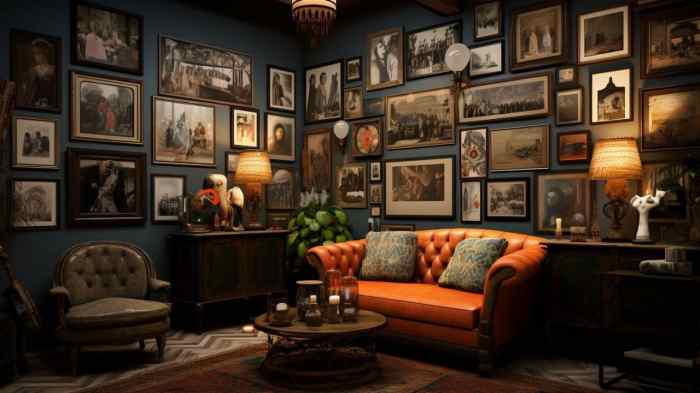
Maximalist living room ideas invite you to break free from the conventional and embrace a vibrant, eclectic aesthetic. This design philosophy celebrates abundance, combining colors, patterns, and textures to create a lively and personalized space. Whether you’re a seasoned design enthusiast or just starting to explore your style, these ideas will inspire you to craft a living room that is anything but ordinary.
From selecting the perfect color schemes to incorporating unique art pieces, maximalism allows you to express your individuality fully. Imagine an inviting space filled with rich hues, layered fabrics, and thoughtfully curated decor that reflects your personality. Dive into the world of maximalist design and discover tips for transforming your living room into a bold sanctuary.
Maximalist Living Room Concepts
Maximalism in living rooms is all about creating spaces that are rich in color, texture, and personality. It’s a design philosophy that embraces abundance and encourages a mix of patterns, styles, and decor elements. By combining various influences, a maximalist living room can become a vibrant reflection of individual tastes and experiences. The fundamental principles of maximalist design emphasize personalization and the layered use of space.
Rather than adhering to a strict minimalist approach, maximalism invites the inclusion of diverse elements, ensuring that every piece contributes to the overall visual narrative. This style often incorporates a variety of materials and patterns, promoting a sense of comfort through chaos.
Color Schemes Enhancing Maximalist Themes
Color plays a pivotal role in establishing the maximalist aesthetic. Unlike minimalist designs that typically favor neutral tones, maximalism thrives on bold and vivid color combinations. The interplay of multiple hues can transform a living room into an eclectic haven. To effectively utilize color, consider the following schemes:
- Contrasting Palettes: Pairing bold colors like royal blue with vibrant orange creates a striking visual impact.
- Layered Tones: Using shades of the same color, such as various greens, can add depth while maintaining cohesion.
- Color Blocking: Different areas of the room can be painted in distinct, lively colors to define spaces and create visual intrigue.
Each of these schemes helps to cultivate an engaging environment that invites curiosity and dialogue.
Furniture Choices for Maximalist Living Rooms
The selection of furniture in a maximalist living room is crucial for achieving the desired atmosphere. It allows for the expression of personality through diverse shapes and textures. A well-curated collection of furniture pieces can serve as a focal point or a conversation starter within the space.Consider the following furniture options that embrace the maximalist ethos:
- Statement Sofas: Opt for oversized sofas in rich fabrics like velvet or patterned upholstery that become the centerpiece of the room.
- Eclectic Chairs: Incorporate a variety of chairs, including vintage finds and modern designs, to create a dynamic seating arrangement.
- Artful Coffee Tables: Choosing a coffee table that doubles as art, such as a sculptural piece or one with intricate detailing, adds to the overall design narrative.
- Bold Shelving Units: Utilize open shelving to display books, collectibles, and art, further enhancing the layered look.
These furniture choices not only contribute to functionality but also reinforce the colorful and eclectic spirit of maximalism. Each piece should be selected with intent, keeping in mind how it harmonizes with the overall theme of the room.
Textiles and Patterns in Maximalist Design

Maximalist living rooms thrive on the combination of diverse textures and vibrant patterns, creating spaces that feel rich and full of personality. By thoughtfully layering different fabrics and incorporating bold prints, a maximalist design can transform any room into a captivating experience that invites exploration and interaction.Layering textures is essential to achieving the maximalist aesthetic. A cohesive look can be established by mixing various fabric types, incorporating elements such as velvet, linen, and cotton.
Each material brings its unique character, allowing for an engaging visual narrative. For instance, pairing a soft velvet sofa with a chunky knit throw and silk cushions can add depth and warmth to the space. To create a harmonious environment, consider the color palette and how these textures interact with one another.
Bold Patterns in Upholstery and Drapery
When it comes to maximalist design, bold patterns are a defining feature. Incorporating eye-catching prints in upholstery and drapery not only adds visual interest but also contributes to the overall theme of exuberance. Here are some key ideas for integrating bold patterns into your living room:
Statement Upholstery
Choose a sofa or armchair upholstered in a striking floral or geometric pattern. This piece can serve as the focal point of the room, drawing attention and setting the tone for the rest of the design.
Layered Drapery
Use drapes featuring vibrant designs, such as abstract prints or large-scale motifs, to frame windows. Combining these with sheer curtains can create a dynamic play of light and color.
Accent Pillows
Utilize an array of accent pillows in various patterns and textures. By mixing stripes, florals, and polka dots, you can create a playful and eclectic vibe that complements the overall maximalist theme.
Area Rugs
Consider an oversized area rug with a bold design to anchor the space. A rug can tie together the different elements of the room while providing a foundation for layering additional textures.In the realm of textiles, certain materials resonate particularly well with maximalist aesthetics. Popular choices include:
Velvet
Known for its luxurious feel and rich color saturation, velvet adds an element of opulence to any space.
Linen
This breathable fabric offers a casual, relaxed vibe, making it an excellent choice for layering with more sumptuous materials.
Cotton
Available in countless patterns and finishes, cotton is versatile and easy to maintain, allowing for bold experimentation without overwhelming the space.
Silk
Often used for accents, silk can add a touch of elegance and sophistication, particularly in drapery or throw pillows.Incorporating these textiles and patterns thoughtfully will not only contribute to a cohesive look but will also reflect a vibrant and individualized aesthetic that is at the heart of maximalist living.
Art and Decor for Maximalist Living Rooms
Maximalist design celebrates abundance and personality, with art and decor playing pivotal roles in crafting a vibrant living space. The inclusion of art not only adds visual interest but also serves as a reflection of personal style, transforming a room into a dynamic expression of creativity and individuality.Art is essential for creating a maximalist environment as it acts as a focal point, drawing the eye and sparking conversation.
The variety of textures, colors, and styles found in art pieces enhances the layered look characteristic of maximalism. In a room filled with bold patterns and rich textiles, art can provide a contrasting element that balances the chaos while also adding depth.
Types of Decor to Enhance Visual Interest
Incorporating various types of decor amplifies the eclectic feel of a maximalist living room. Each element contributes to the sensory-rich experience that defines this style. Below are some types of decor that can significantly elevate the visual appeal:
- Gallery Walls: A curated display of framed art, photographs, and even fabric pieces can create a stunning visual impact, showcasing a diverse range of styles and colors.
- Sculptural Pieces: Three-dimensional art, such as sculptures or unique installations, can add texture and intrigue, drawing attention and creating dynamic focal points throughout the room.
- Layered Rugs: Using multiple rugs in varying sizes and patterns can enhance warmth and comfort, while adding depth and complexity to the floor space.
- Statement Furniture: Bold, uniquely shaped furniture pieces can serve as art themselves, contributing to the overall design narrative of the room.
- Textiles: Richly patterned cushions, throws, and curtains can add layers of color and texture, reinforcing the maximalist aesthetic.
- Lighting Fixtures: Unique and oversized light fixtures can double as functional art, illuminating the space while making a bold statement.
Effective Display of Collections and Objects
Displaying collections and objects effectively is crucial in a maximalist living room, as it helps to create visual harmony amidst the variety. Here are several strategies to showcase these items without overwhelming the space:
Curating collections with a thoughtful approach ensures that each piece contributes to the overall ambiance while highlighting its unique qualities.
1. Create Thematic Displays
Group objects by theme, color, or material. This method can provide order within the abundance, making the arrangement more cohesive.
2. Use Open Shelving
Open shelves can be an excellent way to display books, art, or decorative items. This allows for a mix of items that can be easily changed and rearranged to keep the look fresh.
3. Vary Heights and Textures
When arranging collections, mixing heights and textures can create more visual interest. Taller items can anchor a display, while smaller pieces can add layers of detail.
4. Incorporate Lighting
Use spotlights or LED strips to illuminate specific collections or standout pieces. Lighting can transform how objects are perceived and highlight their importance in the overall design.
5. Utilize Surfaces Wisely
Tables, mantels, and other surfaces can combine various collections into curated vignettes. Play with scale and proportion to ensure that each object has its moment to shine.Through these thoughtful strategies, art and decor in a maximalist living room can work together to create an inviting, eclectic, and visually engaging environment that resonates with personal expression.
Lighting Techniques for Maximalist Spaces
Lighting plays a crucial role in defining the ambiance of a maximalist living room. It not only enhances the vibrant colors and intricate patterns typical in maximalist decor but also adds layers of warmth and intimacy to the space. When thoughtfully designed, lighting can elevate the eclectic mix of furnishings and art, bringing harmony to what might otherwise feel chaotic.To achieve a well-lit maximalist space, it’s essential to layer different light sources.
This approach creates depth and enhances visual interest. By combining ambient, task, and accent lighting, you can craft an inviting atmosphere that showcases the room’s unique elements while ensuring functionality.
Layering Light Sources
Creating a balanced lighting scheme in a maximalist living room involves strategically layering various types of lighting. Each type serves a distinct purpose and contributes to the overall aesthetic. Here’s a breakdown of how to effectively layer lighting:
- Ambient Lighting: This is the foundation of your lighting scheme, providing general illumination. Consider using oversized chandeliers or statement pendant lights that not only function as light sources but also serve as stunning focal points. A bold, colorful fixture can tie together the room’s design elements.
- Task Lighting: Task lighting is essential for specific activities like reading or working. Incorporate stylish floor lamps or table lamps with unique designs that complement the maximalist theme. Look for fixtures with intricate designs or bold colors to maintain visual interest.
- Accent Lighting: This type of lighting adds drama and highlights specific features in the room. Use wall sconces to illuminate artwork or decorative objects. A spotlight directed at a striking sculpture can create a gallery feel, enhancing the overall decor.
The art of layering is not just about choosing different fixtures; it’s about playing with brightness and color temperatures. For example, warm white bulbs can create a cozy atmosphere, while cool white lights can add a modern touch. By mixing these light sources, you enhance the room’s dynamic and ensure it feels alive at any hour.
Innovative Lighting Fixture Ideas
Choosing the right fixtures is vital in a maximalist living room. Here are some innovative ideas that align perfectly with maximalist decor:
- Clustered Pendant Lights: Grouping multiple pendant lights of different sizes and shapes creates a visually striking feature. Opt for fixtures made of vibrant glass or metallic finishes to reflect light and add sparkle.
- Artistic Floor Lamps: Floor lamps with sculptural designs can serve as artwork themselves. Look for pieces that combine unique materials or unusual shapes to complement the room’s theme.
- Colorful Table Lamps: Incorporating table lamps in bright colors or with patterned shades can enhance the eclectic vibe. These lamps can also provide localized lighting for areas like side tables or reading nooks.
- Neon Signs or LED Strips: For a modern twist, using neon signs or LED strips can add a pop of color and a contemporary edge. They can be used to Artikel furniture or highlight architectural features.
Incorporating these innovative fixtures not only meets functional lighting needs but also enhances the character of the space. Each element works together to create a cohesive and vibrant environment that reflects the personality of those who inhabit it.
“Lighting transforms a space; it creates mood and enhances the beauty of maximalist design.”
Integrating Technology into Maximalist Design
In today’s world, technology plays a pivotal role in our lives, and integrating it seamlessly into maximalist design can enhance both functionality and aesthetics. Maximalist living rooms are characterized by bold colors, intricate patterns, and layered textures, making the incorporation of smart devices a bit of a challenge but definitely achievable. By carefully selecting technology that complements the design elements, one can create a harmonious and stylish living space that doesn’t sacrifice modern conveniences for visual appeal.One of the key strategies in integrating technology into maximalist design is choosing smart home devices that blend seamlessly with the existing decor.
This not only maintains the design integrity but also enhances the room’s functionality. Here are some popular technology options that fit well within maximalist interiors:
Smart Devices that Complement Maximalist Interiors
The selection of smart devices should reflect the opulence and eclectic nature of maximalist living rooms. Consider the following devices that can enhance both form and function:
- Smart Speakers: Opting for a vintage-inspired smart speaker in a bold color can serve as both a tech device and a striking decor piece.
- Smart Lighting: Utilizing smart bulbs that can change colors allows for dynamic lighting that complements the vibrant hues often found in maximalist design.
- Televisions: Wall-mounted screens with artistic frames create a gallery-like ambiance while also providing modern entertainment options.
- Smart Thermostats: A sleek, visually appealing thermostat can blend into the room’s design while maximizing comfort.
- Automated Curtains: These can add a touch of luxury and functionality, allowing control over natural light without disrupting the overall aesthetic.
Incorporating technology without compromising style is a delicate balance. It’s essential to choose devices that enhance the visual narrative rather than detract from it. For instance, placing smart devices within decorative elements, such as integrating them into bookshelves or using decorative boxes to house routers and cables can maintain the room’s aesthetic while ensuring tech functionality.
Hiding or Showcasing Technology in Maximalist Settings
The approach to displaying technology in a maximalist living room can vary significantly. Some homeowners may prefer to hide their devices, while others might opt to showcase them as essential design elements. Here’s how to manage technology visibility:To hide technology effectively, consider the following methods:
- Concealed Wiring: Using cable management solutions to hide wires behind furniture or within the walls helps maintain a clean look.
- Built-in Furniture: Custom furniture with hidden compartments can store devices away from sight.
- Artwork and Decor: Framing speakers or integrating tech within art pieces can stylishly disguise devices.
Alternatively, showcasing technology can also add to the maximalist flair. Here are some ways to do so:
- Bold Designs: Select devices that have unique shapes or striking colors that complement the room’s style.
- Accent Displays: Use floating shelves to create a visual display of gadgets among books and decor items.
- Interactive Art: Screens that display art or photos can serve as both technology and an artistic focal point.
Integrating technology into maximalist design requires a thoughtful approach, ensuring that every device enhances the room’s unique character.
Harmony Between Maximalism and Minimalism
Striking the right balance between maximalist and minimalist design styles can create a unique and harmonious living space. While maximalism embraces bold colors, intricate patterns, and abundant decor, minimalism focuses on simplicity, clean lines, and a smaller number of pieces. By thoughtfully integrating elements from both philosophies, one can achieve a creative yet serene environment that feels both lively and calm.Finding a middle ground between these two contrasting styles involves careful selection and placement of design elements.
Using intentional contrasts can highlight the beauty of each style while maintaining a cohesive overall aesthetic. For instance, a vibrant, patterned sofa can be complemented with a sleek, minimalist coffee table to create a visually engaging yet balanced look.
Design Combinations of Maximalism and Minimalism
Combining maximalist and minimalist elements effectively requires an understanding of how they can coexist. Below are examples that illustrate successful design combinations:
- Colorful Artwork Against Neutral Walls: Artwork featuring bold colors and intricate designs can pop against a simple, white or soft-colored wall, allowing the artwork to become the focal point without overwhelming the space.
- Statement Furniture with Minimalist Accents: A flamboyant armchair can be paired with understated side tables and lamps to create a striking balance. This contrast highlights the armchair while keeping the overall look uncluttered.
- Layered Textiles with Simple Patterns: Incorporating rich, patterned textiles like throw pillows or rugs layered over a minimalist sofa can add depth and visual interest without straying into chaos.
- Maximalist Accessories in a Minimalist Space: Using one or two larger, statement accessories, such as an ornate vase or a large sculpture, in an otherwise minimalistic room can create a captivating centerpiece that draws the eye.
The psychological effects of blending maximalism and minimalism can also be significant. A well-balanced space can evoke feelings of comfort and excitement. The maximalist elements contribute energy and personality, while the minimalist aspects foster calmness and clarity. This combination can lead to increased creativity and productivity, as the stimulating elements encourage new ideas while the minimalist components provide a mental breather.
“The art of successful design lies in the ability to blend contrasting elements in a way that feels natural and inviting.”
Seasonal Decor Changes for Maximalist Living Rooms
Maximalist living rooms thrive on bold expression and vibrant layers, which makes them perfect candidates for seasonal decor changes. Adapting your decor to reflect the changing seasons not only refreshes your space but also enhances the overall ambiance. By incorporating seasonal elements, you can maintain a dynamic environment that feels in tune with nature and the calendar.Updating your decor according to seasonal themes involves a thoughtful rotation of design elements that can create a cohesive look while allowing for personal expression.
This plan should include textiles, colors, decorative items, and plants, all tailored to align with seasonal themes. Regularly rotating these elements keeps the space feeling fresh and invigorated.
Suggestions for Seasonal Decor Updates
To effectively change your decor with the seasons, consider the following suggestions that emphasize texture, color, and seasonal motifs:
- Spring: Embrace light fabrics and bright colors. Swap out heavy curtains for sheer ones and introduce pastel cushions and floral patterns. Fresh flowers like tulips or daffodils can add vibrant life.
- Summer: Focus on bright, bold colors and patterns. Use lightweight throws and incorporate tropical prints. Potted plants such as succulents or vibrant annuals can enhance the lively vibe.
- Fall: Transition into rich tones like burgundy, mustard, and burnt orange. Layer in textured fabrics such as wool or chunky knits, along with autumn-themed decor, like pumpkins and dried leaves.
- Winter: Create a cozy atmosphere with layered textiles in darker shades. Add elements like faux fur throws and metallic accents to evoke a warm yet festive spirit.
Plan for Rotating Decor Elements
A structured plan for rotating decor can ensure your living room remains fresh and inviting throughout the year. Here’s a straightforward approach:
- Quarterly Rotation: Every three months, schedule time to switch out textiles, artwork, and decorative items. This can coincide with the beginning of each season.
- Monthly Refresh: Every month, add or change smaller items such as cushions, vases, or artwork. This can keep the space dynamic without requiring a full overhaul.
- Weekly Touch-ups: Dedicate a few minutes each week to reorganize accessories or rearrange furniture slightly, maintaining visual interest.
Benefits of Seasonal Flowers and Plants
Incorporating seasonal flowers and plants into your maximalist design has numerous advantages that enhance the aesthetic and atmosphere of your living room.
“Seasonal blooms not only elevate the visual appeal but also contribute to a refreshing energy in the space.”
- Boosts Aesthetic Appeal: Seasonal flowers add color and texture that can tie together your overall design scheme, creating a more harmonious look.
- Improves Air Quality: Plants like peace lilies or snake plants purify the air, promoting a healthier indoor environment.
- Creates a Connection with Nature: Seasonal plants help bring the outdoors in, fostering a sense of calm and well-being.
- Encourages Mindfulness: Regularly changing your plants allows for a moment of mindfulness and connection to the seasonal cycles.
Related Home Improvement Topics
Incorporating maximalist principles into your living room can significantly enhance your home’s overall aesthetic. However, the journey towards a cohesive living space involves more than just the living room. It encompasses various aspects of interior design, decoration, and even outdoor spaces. This section will explore the importance of these elements while offering insights into kitchen improvements that align with a maximalist living room, as well as landscaping ideas that complement your interior themes.
Importance of Interior Design and Decorating
Interior design plays a crucial role in establishing a harmonious living environment. It unifies different elements of a space, such as color, texture, and layout, creating a seamless flow from one area to another. Thoughtful decoration enhances the personality of your home, allowing it to reflect your unique style. A well-designed space promotes comfort and functionality, making it essential to consider the overall theme when designing any room, including the kitchen and outdoor areas.
Kitchen Improvements for Maximalist Living Rooms
To achieve a cohesive look, kitchen improvements should resonate with the maximalist aesthetic. This means embracing bold colors, intricate patterns, and diverse textures. Here are some kitchen enhancements that can match a maximalist living room:
- Colorful Cabinetry: Opt for cabinets painted in vibrant hues or adorned with distinctive patterns. Consider mixing and matching colors to create a playful vibe.
- Statement Backsplash: Use decorative tiles or a mural as a backsplash that echoes the maximalist spirit, featuring eye-catching designs or textures.
- Unique Hardware: Select decorative knobs and handles that stand out, such as vintage brass or artistic glass pieces.
- Layered Lighting: Implement multiple lighting sources, including pendant lights and wall sconces, to add depth and ambiance to the kitchen.
- Open Shelving: Display an eclectic mix of dishware, plants, and decorative items on open shelves, making the kitchen feel vibrant and inviting.
Landscaping Outdoor Decorating Ideas
The exterior of your home is just as important as the interior when it comes to creating a cohesive design. Landscaping can enhance the maximalist vibe, providing a seamless transition between indoors and outdoors. Consider these outdoor decorating ideas:
- Bold Planters: Use oversized or uniquely shaped planters in bright colors to showcase your favorite plants and flowers.
- Diverse Plant Selection: Incorporate a variety of plants with different heights, colors, and textures to create a lush and vibrant garden.
- Artistic Garden Features: Install sculptures, fountains, or decorative trellises that align with your maximalist theme, serving as focal points in your outdoor space.
- Outdoor Furniture: Choose colorful, patterned cushions and furniture that invite relaxation while reflecting the joyous nature of maximalist design.
- String Lights: Hang whimsical string lights or lanterns to create an enchanting atmosphere during the evening, enhancing the overall ambiance.
Functional Aspects of Maximalism
Maximalism is not just an aesthetic choice; it encompasses various functional elements that enhance the livability of a space. By integrating diverse lighting techniques, innovative construction methods, and strategic painting strategies, a maximalist living room can be both practical and visually stimulating. This section delves into how these functional aspects contribute to the overall experience of maximalist design.
Home Lighting Techniques for Enhanced Functionality
Lighting plays a crucial role in enhancing both the functionality and aesthetic appeal of a maximalist living room. A well-lit space not only showcases vibrant colors and patterns but also creates an inviting atmosphere. Here are some common lighting techniques that maximize utility while embracing the essence of maximalism:
- Layered Lighting: Combining ambient, task, and accent lighting can create depth and dimension. For instance, using chandeliers for general illumination, table lamps for reading, and wall sconces to highlight art creates a harmonious blend.
- Dimmer Switches: Installing dimmer switches allows for flexibility in lighting intensity, accommodating different moods and activities, from hosting parties to cozy evenings.
- Statement Fixtures: Bold lighting fixtures, such as oversized pendant lights or vintage sconces, serve as functional art pieces that enhance the maximalist theme while providing necessary illumination.
New Construction Methods Supporting Maximalist Living
Modern construction techniques have evolved, enabling homeowners to embrace maximalism without sacrificing structural integrity or functionality. Incorporating innovative building materials and designs can significantly enhance a maximalist living space. Some methods include:
- Open Floor Plans: These encourage a fluid transition between different areas of the home, allowing for a more dynamic arrangement of furniture and decor.
- Sustainable Materials: Utilizing eco-friendly materials such as reclaimed wood and recycled steel not only supports the environment but also adds unique textures and patterns that align with maximalist ideals.
- Modular Furniture: This allows for versatility in arranging a space, making it easy to experiment with layout and design, which is essential for a maximalist approach.
Home Painting Strategies in Maximalist Themes
Painting is a powerful tool in maximalist design that can dramatically alter the perception and mood of a living room. The right colors and techniques can elevate a space while expressing individuality. The following strategies can help achieve a cohesive yet bold maximalist look:
- Accent Walls: Using vibrant colors or intricate wallpaper on one wall can create a focal point without overwhelming the entire room.
- Textured Finishes: Techniques like sponge painting or stenciling add depth and interest, enhancing the visual complexity of the space.
- Color Blocking: This involves painting large sections of different colors juxtaposed, allowing for an eclectic mix that reflects personal style.
“In maximalism, every color, texture, and pattern works together to create a beautiful chaos that is both functional and expressive.”
Outdoor Living Spaces and Maximalism
Maximalist design principles can extend beyond the confines of your home and into outdoor living spaces, creating a lush and vibrant atmosphere that invites relaxation and socialization. Emphasizing bold patterns, diverse textures, and an eclectic mix of colors, outdoor spaces can be transformed into dynamic extensions of your home. By integrating these design elements into patios and decks, you can create a visually engaging environment that reflects your personal style while ensuring functionality.
Patio Deck Designs Reflecting Maximalist Principles
When designing a patio or deck with maximalism in mind, the goal is to create an inviting and visually stimulating environment. Here are some essential elements to consider:
- Vibrant Color Schemes: Utilize bold and saturated colors for furniture, cushions, and decor. Consider a mix of complementary and contrasting hues to create depth and interest.
- Layered Textures: Incorporate a variety of textures through textiles, such as outdoor rugs, cushions, and throws. Mixing materials like wood, metal, and fabric enhances the sensory experience.
- Eclectic Furniture Choices: Opt for an assortment of furniture styles—think vintage chairs paired with modern tables, or an ornate bench alongside sleek loungers. This mix promotes a curated, collected-over-time feel.
- Decorative Accents: Use an array of decorative items like large planters, sculptures, and artistic lighting fixtures. These elements should reflect your personality and engage the senses.
- Greenery and Florals: Introduce a variety of plants, flowers, and even herbs. Vertical gardens or oversized planters can add lushness and contribute to the maximalist aesthetic.
Pest Control Tips for Aesthetic Outdoor Spaces
Maintaining an outdoor space that is both beautiful and pest-free is essential. Here are some pest control strategies that will not compromise the aesthetic of your outdoor living area:
- Natural Deterrents: Utilize plants known for their pest-repellent properties, such as rosemary, lavender, and marigolds. These can enhance your design while deterring unwanted insects.
- Strategic Lighting: Employ warm, soft lighting options that do not attract insects as much as cooler, brighter lights. Consider using LED fixtures that are designed to minimize bug attraction.
- Regular Maintenance: Keep outdoor spaces clean and tidy by regularly removing debris, which can attract pests. This includes cleaning up fallen leaves and food remnants from outdoor dining.
- Eco-Friendly Sprays: Consider using organic pest control sprays or essential oil-based repellents that are safe for plants and people, ensuring the beauty of your space remains intact.
Home Plumbing Considerations for Outdoor Decor Integration
Integrating outdoor decor often involves plumbing elements that enhance both functionality and aesthetics. Here are key plumbing considerations for maximizing your outdoor space:
- Water Features: Installing fountains or ponds can add a serene ambiance. Ensure you have a reliable water supply and a proper drainage system to prevent stagnation.
- Outdoor Kitchens: If you’re incorporating a kitchenette, plan for sinks and water lines that seamlessly blend with your outdoor design. Consider mixing rustic and modern fixtures for a unique look.
- Irrigation Systems: For gardens and plant features, integrate drip irrigation systems that are efficient and hidden from view, preserving the clean look of your outdoor area.
- Outdoor Showers: When designing outdoor showers, ensure proper drainage and plumbing to avoid water pooling. Choose stylish fixtures that complement your overall aesthetic.
Home Remodeling with a Maximalist Approach
Remodeling your home with a maximalist approach embraces boldness, creativity, and personal expression. This design philosophy allows homeowners to reflect their individuality through a rich tapestry of colors, patterns, and textures. As more people seek to personalize their living spaces, maximalism stands out by encouraging the incorporation of diverse elements that tell a story about the homeowner’s tastes and experiences.Key elements to consider when embarking on a maximalist remodeling project include vibrant color palettes, layered textiles, and a mix of artistic decor.
Each element should contribute to an overall sense of abundance and personality rather than chaos. When done thoughtfully, maximalism can transform a conventional space into a lively, engaging environment.
Key Elements in Maximalist Remodeling
When remodeling with a maximalist approach, various elements should be prioritized to capture the essence of this style. Here are essential aspects to consider:
- Color and Texture: Choose a rich color palette that combines bold hues with contrasting shades. Layering various textiles, like velvet, silk, and linen, can enhance the tactile experience of the space.
- Statement Pieces: Incorporate oversized furniture or unique art pieces that serve as focal points. These items should reflect your personality and interests, such as vintage finds or contemporary sculptures.
- Eclectic Decor: Mix and match various decorative items, including plants, books, and collectibles. Each piece should contribute to a curated, yet spontaneous aesthetic.
- Personal Art Collection: Displaying your artwork or photographs adds a personal touch and creates a distinct narrative within your home.
- Layered Lighting: Use a combination of ambient, task, and accent lighting to enhance the overall atmosphere and highlight specific areas of interest.
Successful Remodeling Examples
There are numerous successful remodeling projects that exemplify a maximalist approach, showcasing how this style can be effectively implemented. One standout example is the renovation of a traditional Victorian home in San Francisco. The owners opted for a vibrant color scheme featuring deep blues and rich reds, coupled with an eclectic mix of furniture styles ranging from antique to modern.
The living room features a striking gallery wall filled with diverse artwork, while statement lighting fixtures draw attention and provide a warm glow.Another inspiring project involved a mid-century modern home in Palm Springs, where the owners embraced maximalism by incorporating bold wallpaper with intricate patterns and layering furniture with different textures and colors. Each room tells a story through its decor, from the lush plant life to the carefully curated collections displayed on shelves.
The Importance of Personal Expression
Personal expression is the cornerstone of maximalist design. Remodeling decisions should reflect your tastes, values, and experiences, allowing your home to serve as a canvas for your identity. This approach fosters a sense of belonging and comfort, as every element resonates with your personal journey.Incorporating elements such as travel memorabilia, family heirlooms, or favorite art pieces can enhance this personal narrative.
It is essential to remember that maximalism is not just about abundance; it’s about creating a space that feels authentically yours, where each item has a purpose and a story. By focusing on personal expression, your remodeled home can become a true reflection of who you are and what you love.
Epilogue
In conclusion, embracing maximalist living room ideas can transform your home into a captivating reflection of who you are. By blending various elements—from textures and colors to personal collections—you can create a space that’s rich in character and warmth. Remember, maximalism is about celebrating life and individuality, so let your creativity flow and enjoy the process of designing a space that’s uniquely yours.
Q&A
What is maximalism in interior design?
Maximalism is a design approach that emphasizes bold colors, layered textures, and a mix of patterns, celebrating a highly personalized and expressive aesthetic.
How do I start incorporating maximalist ideas?
Begin by selecting a vibrant color palette, adding various textures, and displaying unique decor pieces that resonate with your style.
Can maximalism work in small spaces?
Yes, maximalism can enhance small spaces by using bold accents and layered decor to create a sense of depth and character without overwhelming the area.
What colors are best for a maximalist living room?
Rich jewel tones, vibrant hues, and unexpected color combinations are excellent choices for a maximalist living room.
How can I balance maximalism with functionality?
Incorporate multifunctional furniture and thoughtful organization to maintain a practical living space while embracing maximalist aesthetics.


