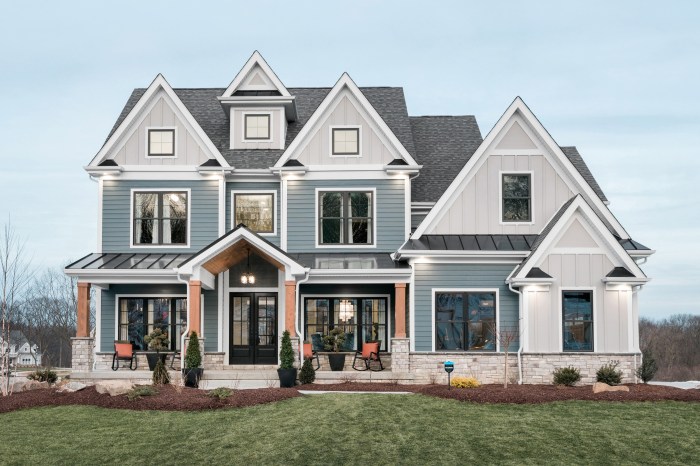
Smart home construction 2025 is set to revolutionize the way we live, blending innovation with convenience for a more connected lifestyle. As technology continues to advance, smart homes are becoming increasingly sophisticated, integrating artificial intelligence, IoT devices, and advanced home automation systems. This evolution is not just about convenience; it enhances security, optimizes energy efficiency, and transforms interior and exterior spaces into smart, functional environments.
In this exploration, we’ll delve into the key technologies shaping the future of smart homes, design innovations that elevate our living spaces, and practical upgrades that ensure homes are ready for the challenges of tomorrow. From smart kitchens to advanced lighting solutions, let’s uncover how these trends are redefining modern living.
Smart Home Technology Trends in 2025
As we approach 2025, smart home technology continues to evolve, integrating advanced systems that promise to enhance our living spaces. The convergence of various technologies not only makes homes more efficient but also transforms the way we interact with our environments. Key trends are shaping the future of smart homes, driven by consumer demand for convenience, security, and energy efficiency.The most significant advancements in smart home technology include the widespread adoption of artificial intelligence (AI), the integration of the Internet of Things (IoT), and enhanced security systems.
These elements work together to create a seamless and intuitive home automation experience, allowing homeowners to control their environments with ease and confidence.
Integration of AI in Home Automation Systems
Artificial intelligence is at the forefront of revolutionizing home automation systems. By leveraging AI, smart homes can learn user preferences, adapt to behaviors, and improve overall functionality. This adaptability leads to a more personalized experience for homeowners, as systems can autonomously manage energy consumption, optimize settings for comfort, and increase security measures.Key features of AI integration in smart homes include:
- Predictive Analytics: AI can analyze historical data to forecast energy usage, identify patterns, and recommend adjustments to optimize efficiency.
- Voice Assistants: Enhanced voice recognition allows for natural language processing, enabling users to interact with their devices more intuitively.
- Smart Scheduling: AI algorithms can adjust heating, cooling, and lighting schedules based on user routines and occupancy levels, maximizing energy savings.
- Automated Maintenance Alerts: Smart systems can detect irregularities and notify homeowners about potential maintenance issues before they escalate.
Role of Security Systems in Modern Smart Homes
Security remains a top priority for homeowners, and modern smart homes incorporate cutting-edge security systems to ensure safety and peace of mind. These systems utilize various technologies to provide comprehensive protection while integrating seamlessly with other smart home features.The importance of advanced security systems in smart homes includes:
- Surveillance Cameras: High-definition cameras with motion detection and night vision capabilities provide real-time monitoring of property, accessible remotely through mobile devices.
- Smart Locks: Keyless entry systems allow homeowners to control access to their homes via smartphones, providing convenience and enhanced security.
- Intrusion Detection: Sensors can be placed on doors and windows to alert homeowners of unauthorized entry, ensuring immediate responses to potential threats.
- Integration with Emergency Services: Smart security systems can automatically alert local authorities in case of an emergency, significantly reducing response times.
Interior Design Innovations for Smart Homes
The fusion of technology and interior design has evolved significantly, leading to a transformative approach in how we conceptualize living spaces. As smart homes become increasingly popular, interior design innovations are adapting to incorporate cutting-edge technologies that enhance both functionality and aesthetics. This shift not only influences the selection of materials and furnishings but also redefines our expectations of home environments, making them more intuitive and responsive to our needs.
Influence of Technology on Interior Design Choices
The impact of technology on interior design is profound, shaping how we choose colors, materials, and layouts. With the integration of smart home systems, designers are now prioritizing features that promote convenience and connectivity. For instance, open floor plans equipped with smart lighting systems allow for customizable moods and energy-efficient settings. One notable trend is the use of augmented reality (AR) tools that enable homeowners to visualize changes in their spaces before implementing them.
This technology provides the ability to experiment with color palettes and furniture arrangements virtually, ensuring that design choices complement the overall smart functionality of the home.
Smart Materials in Home Decor
Smart materials are revolutionizing home decor, offering innovative solutions that enhance both comfort and design. These materials respond dynamically to environmental changes, providing an unprecedented level of adaptability. Examples include:
Self-cleaning surfaces
Utilizing nanotechnology, these surfaces repel dirt and grime, reducing maintenance time and enhancing the home’s cleanliness.
Light-responsive fabrics
Curtains and upholstery that change color or opacity in response to light levels can create a dynamic atmosphere, adjusting the ambiance throughout the day.
Thermochromic tiles
These tiles change color based on temperature variations, adding an interactive element to flooring and wall designs.The integration of such smart materials allows homeowners to maintain a modern aesthetic while ensuring functionality and sustainability.
Furniture Integrating Smart Technology
The furniture landscape is rapidly evolving with the introduction of smart technology, promoting both comfort and efficiency. Here are some examples of furniture that exemplify these innovations:
Smart beds
These beds come equipped with sleep tracking technology, adjustable firmness settings, and even climate control features, ensuring a personalized sleep experience.
Smart tables
Featuring built-in charging stations and wireless connectivity, these tables not only serve as functional surfaces but also enhance connectivity in living spaces.
Interactive couches
With integrated speakers and touch controls, modern couches are designed to blend entertainment with comfort, allowing for seamless movie nights or music sessions.Each piece of smart furniture is designed with the intent to streamline daily activities and elevate the overall user experience, reflecting the convergence of technology and design in the modern home.
Kitchen Improvements in Smart Homes
The kitchen is often referred to as the heart of the home, and with the rise of smart home technology, it has evolved into a hub of innovation and convenience. In 2025, modern kitchens are equipped with cutting-edge appliances designed to enhance culinary experiences, streamline daily tasks, and promote energy efficiency. The integration of smart technology not only transforms functionality but also shapes the design and layout of kitchens, making them more user-friendly and adaptable to individual lifestyles.Smart appliances are at the forefront of kitchen improvements, featuring advanced functionalities that cater to the needs of contemporary homeowners.
Notable examples include smart refrigerators capable of monitoring food inventory, suggesting recipes based on available ingredients, and even enabling online grocery shopping. Smart ovens offer precision cooking controls, allowing users to preheat or adjust cooking temperatures remotely via smartphone apps. Additionally, dishwashers equipped with smart sensors optimize water usage and energy consumption, significantly reducing utility bills while maintaining cleanliness.
Benefits of Integrating IoT Devices into Kitchen Design
Integrating IoT (Internet of Things) devices into kitchen design offers numerous advantages, enhancing both efficiency and user experience. These benefits include:
- Remote Monitoring and Control: Homeowners can manage their kitchen appliances from anywhere, ensuring meals are prepared on time and kitchen tasks are efficiently handled.
- Energy Efficiency: Smart devices monitor energy consumption in real-time, allowing users to make informed decisions about their energy use and reducing overall costs.
- Enhanced Food Safety: Devices such as smart meat thermometers provide alerts when food reaches ideal cooking temperatures, promoting safe food handling practices.
- Time-Saving Features: Automated functions streamline meal preparation and clean-up, giving users more free time to enjoy with family and friends.
Optimizing Kitchen Layouts for Smart Technology
To create a seamless interaction between smart appliances and homeowners, optimizing kitchen layouts is essential. Thoughtful design can enhance the functionality of these technologies, making daily tasks easier and more enjoyable. Key considerations include:
- Centralized Control Hub: Designate an area for smart controls, such as a touch-screen panel that manages all connected devices, ensuring easy access and operation.
- Strategic Appliance Placement: Position smart appliances like refrigerators, ovens, and dishwashers in a way that minimizes movement and promotes workflow efficiency, often referred to as the kitchen work triangle.
- Built-in Connectivity: Ensure that all appliances are Wi-Fi or Bluetooth capable, and consider integrating smart outlets into cabinetry for a clutter-free look while maintaining connectivity.
- Flexible Spaces: Incorporate movable islands or modular furniture that can accommodate various tasks, adapting the space according to cooking needs or social gatherings.
Landscaping and Outdoor Decorating Trends
In 2025, landscaping and outdoor decor will be revolutionized by smart technology, enhancing how we interact with our outdoor living spaces. As homeowners increasingly seek to blend functionality with aesthetics, smart solutions will become essential features in gardens, patios, and backyards. From automated irrigation to intelligent lighting systems, the integration of technology will not only elevate the beauty of outdoor areas but also promote sustainability and convenience.
Smart Irrigation Systems
Smart irrigation systems will play a pivotal role in modern landscaping. These systems utilize weather data, soil moisture levels, and even plant types to create efficient watering schedules, ensuring plants receive just the right amount of water. This not only conserves water but also promotes healthier gardens. Key benefits of smart irrigation systems include:
- Water Conservation: By adjusting watering schedules based on real-time data, these systems minimize water waste, making them environmentally friendly.
- Cost Savings: Homeowners can significantly reduce their water bills due to the efficient usage of resources.
- Healthier Plants: Automated systems help prevent overwatering or underwatering, leading to stronger, more resilient plants.
Impact of Smart Lighting on Outdoor Aesthetics
Smart lighting has the potential to transform outdoor spaces into enchanting areas that can be enjoyed at any hour. With the ability to control lighting through a smartphone or smart home system, homeowners can create dynamic environments that adapt to different moods and occasions.The aesthetic impact of smart lighting is significant, as it enhances the visual appeal of landscapes. Important aspects include:
- Customizable Ambiance: Homeowners can adjust the color and intensity of lights to set the desired atmosphere, whether for a cozy gathering or a vibrant party.
- Security Enhancement: Well-placed smart lights can deter intruders by automatically illuminating pathways and entry points during the night.
- Showcasing Landscape Features: Highlighting specific plants or garden structures with targeted lighting creates visual interest and depth in outdoor spaces.
“Smart landscaping solutions not only beautify outdoor areas but also contribute to environmental sustainability and economic efficiency.”
Advanced Home Lighting Solutions
The evolution of smart home technology has brought about significant advancements in lighting solutions that not only enhance aesthetic appeal but also improve energy efficiency. These systems allow homeowners to create versatile moods, increase comfort, and reduce energy costs through innovative designs and smart controls. As we delve into the future of home lighting in 2025, it becomes essential to explore smart lighting systems, mood-based lighting design, and the integration of natural sunlight.
Smart Lighting Systems for Energy Efficiency
Smart lighting systems are pivotal in reducing energy consumption in households. These systems incorporate advanced technologies like LED bulbs, motion sensors, and smart dimmers that adjust brightness based on the time of day or occupancy. By implementing these solutions, homeowners can achieve significant energy savings while enjoying enhanced convenience.Key features of energy-efficient smart lighting systems include:
- LED Technology: LEDs are known for their longevity and low energy consumption compared to traditional incandescent bulbs, resulting in reduced electricity bills.
- Smart Dimmers: These devices allow users to control the brightness of their lights, optimizing energy use based on needs and enhancing room ambiance.
- Motion Sensors: Automatically turn lights on or off when someone enters or leaves a room, minimizing energy waste.
- Scheduling Features: Users can program lights to turn on and off at specific times, ensuring lights are not used unnecessarily.
Utilizing smart lighting technology can lead to approximately 70% energy savings compared to traditional lighting methods.
Mood-Based Lighting Design Guide
Creating a mood-based lighting design in homes involves strategic placement and selection of lighting fixtures to evoke desired atmospheres. Different areas of the home benefit from various lighting effects that cater to specific activities or moods, such as relaxation, work, or socializing.To design an effective mood-based lighting scheme, consider the following elements:
- Layered Lighting: Combine ambient, task, and accent lighting for flexibility. Ambient lighting provides general illumination, task lighting focuses on specific areas, and accent lighting highlights artwork or architectural features.
- Color Temperature: Utilize warm white light (2700K-3000K) for cozy settings and cool white light (4000K-5000K) for active spaces like kitchens and offices.
- Smart Controls: Integrate smart switches and apps to adjust lighting based on activities, allowing users to create customized scenes like “Movie Night” or “Dinner Party.”
Effective mood lighting can significantly enhance the emotional atmosphere of a space, making it more inviting and comfortable.
Integration of Smart Controls with Natural Sunlight
The integration of smart controls with natural sunlight presents a unique opportunity to maximize energy efficiency and enhance indoor environments. Smart shading systems and automated lighting can work in tandem with sunlight to improve energy consumption and provide optimal comfort.Strategies for effective light integration include:
- Automated Blinds: These can be programmed to open and close based on the sun’s position, optimizing natural light while reducing glare and heat during peak sunlight hours.
- Light Sensors: Smart lighting systems can adjust artificial light levels based on the amount of natural light detected in the room, ensuring balanced illumination throughout the day.
- Daylight Harvesting: This technique involves using sensors to track sunlight and adjust indoor lighting accordingly, thus reducing reliance on artificial lighting.
Properly harnessed natural sunlight can reduce electricity use significantly, contributing to a more sustainable living environment.
New Construction Trends for Smart Homes
As the demand for smart homes continues to rise, construction trends evolve to support advanced technology integration. Homebuilders are increasingly adopting innovative materials and practices that not only enhance connectivity but also prioritize sustainability. This shift is shaping the future of home construction, making it crucial for homeowners and builders alike to stay informed about these developments.
Construction Materials for Smart Technology
The incorporation of smart technology into new homes requires specific materials that can support various devices and systems. Builders are now utilizing advanced construction materials that promote efficiency and connectivity.
- High-Performance Insulation: Enhanced insulation materials such as spray foam and insulated concrete forms (ICFs) provide superior thermal performance, allowing smart heating and cooling systems to function more effectively.
- Smart Glass: Incorporating electrochromic glass allows for dynamic control of light and heat, which can be adjusted through smart home systems, improving energy efficiency.
- Modular Construction Elements: Prefabricated sections can be designed with integrated wiring and plumbing for smart devices, reducing time on site and ensuring that technology is embedded from the start.
- Advanced Wiring Solutions: Using categories 6A and above for Ethernet cabling ensures high-speed connectivity essential for seamless smart home operations.
Planning for Future Technology Integration
Anticipating future technology needs is vital in smart home construction. Builders now focus on flexible designs that can accommodate evolving technologies without requiring extensive renovations.
- Expandable Infrastructure: Installing conduits and additional wiring during initial construction provides easy upgrades in the future, allowing homeowners to integrate new technologies as they emerge.
- Centralized Control Systems: Designing homes with centralized hubs that manage all smart devices ensures easy integration of future technologies, making updates streamlined and efficient.
- Flexible Space Design: Creating adaptable spaces that can evolve with changing technology trends keeps homes relevant and functional for years to come.
Sustainable Practices in Smart Home Construction
Sustainability plays a crucial role in modern construction trends, especially in the realm of smart homes. Building practices today prioritize eco-friendly methods, reducing the overall environmental impact of new homes.
- Renewable Energy Sources: Integrating solar panels and wind turbines supports smart home systems, enabling homeowners to generate their own energy and decrease reliance on traditional power sources.
- Energy-Efficient Appliances: The use of Energy Star-rated appliances not only conserves energy but also works seamlessly with smart home systems to optimize usage patterns.
- Water Conservation Systems: Implementing smart irrigation and gray water recycling systems contributes to sustainable water use, aligning with the principles of smart technology.
“The future of home construction lies in the harmonious blend of technology and sustainability, ensuring that homes are not only smart but also environmentally responsible.”
Home Painting Ideas for Smart Homes

Creating a visually appealing environment is essential in modern living spaces, especially in smart homes where technology and aesthetics blend seamlessly. Home painting has evolved beyond mere color application; it now enhances smart features and complements the overall design. Selecting the right color schemes can accentuate the technology around you, making it feel like a natural part of your home.Color schemes play a pivotal role in framing the tech-driven atmosphere of smart homes.
When choosing paint, consider how the colors interact with light and smart home gadgets. For instance, soft pastels can create a calming ambiance, making tech devices less obtrusive, while bold colors can make a statement, highlighting the innovative features of your home.
Color Schemes Enhancing Smart Home Technology
A well-thought-out color scheme can significantly boost the functionality and aesthetics of smart home technology. Here are some popular color schemes that work harmoniously with modern gadgets and appliances:
- Neutral Tones: Shades like greys, beiges, and whites provide a clean backdrop that allows smart devices to stand out without overwhelming the space.
- Monochromatic Schemes: Utilizing varying shades of a single color offers a cohesive look while emphasizing smart home features. For instance, different tones of blue create a serene atmosphere while reinforcing the concept of tranquility.
- Accent Colors: Adding vibrant hues like electric blue or bright orange can enhance the modern feel of a smart home, drawing attention to specific areas or devices.
Smart Paints and Their Innovative Uses
Smart paints are revolutionizing how we approach home aesthetics, allowing for dynamic changes that reflect mood or preference. These paints are capable of changing color or patterns in response to environmental stimuli or user commands, integrating technology directly into the walls of your home.One example of this is thermochromic paint, which alters its color based on temperature changes. Imagine a living room that shifts from cool blue to warm yellow as the sun sets, creating a cozy atmosphere without the need for additional lighting.
Another innovative option is mood-responsive paint that interacts with smart home systems, changing colors based on the time of day or even the activities taking place in the space.
Maintaining a Modern Aesthetic Through Paint Choices
Adopting a modern aesthetic for your home not only enhances its value but also aligns with the sleek design of smart technologies. Here are some tips to maintain a cohesive look:
- Opt for Matte Finishes: Matte paints can give walls a contemporary look while reducing glare, allowing smart devices to stand out more effectively.
- Use Contrast Wisely: Pairing dark walls with light furnishings or vice versa can create a striking visual balance, enhancing the overall design impact.
- Consider Texture: Incorporating textured wall paints can add depth and interest, making the smart home environment feel more inviting and layered.
Patio Deck Enhancements with Smart Features
The modern patio deck is evolving into an intelligent outdoor entertainment space that seamlessly integrates technology with comfort and style. With the advent of smart home innovations, homeowners can now enhance their patio decks to provide not only aesthetic appeal but also functionality. The incorporation of smart features transforms outdoor areas into multifunctional spaces that cater to various needs, from hosting gatherings to enjoying a quiet evening under the stars.The integration of weather-resistant technology is paramount for any outdoor deck.
Smart solutions designed to withstand the elements ensure that your patio remains a reliable entertainment space throughout the year. These features not only enhance the usability of the deck but also prolong its lifespan and reduce maintenance efforts. By utilizing materials and technologies that resist the effects of weather, homeowners can create a deck that is both beautiful and durable.
Smart Solutions for Outdoor Entertainment Spaces
The following features are essential for transforming your patio deck into a smart outdoor entertainment space, ensuring convenience and enjoyment for all who gather there:
- Climate Control Systems: Integrated heating and cooling systems maintain a comfortable temperature, allowing for year-round use.
- Smart Lighting: Automated lighting systems can adjust brightness and color based on the time of day or mood, enhancing the ambiance of outdoor gatherings.
- Outdoor Speakers: Wireless sound systems that connect to smart devices provide high-quality audio for parties or relaxing evenings.
- Smart Grilling: Wi-Fi-enabled grills offer precise temperature control and monitoring through a smartphone app, ensuring perfectly cooked meals.
- Automated Shade Solutions: Motorized awnings and umbrellas can be deployed with a simple command, providing instant relief from the sun or rain.
Integration of Weather-Resistant Technology in Decks
Incorporating weather-resistant technology is vital for maintaining the integrity of your outdoor space. Smart materials and coatings can significantly enhance the durability of patio decks:
- Composite Decking: Made from a blend of wood fibers and recycled plastic, this material resists mold, fading, and warping.
- Smart Sensors: These sensors can detect moisture levels and temperature fluctuations, alerting homeowners to potential issues before they become significant problems.
- Weather-Resistant Furniture: Outdoor furniture designed with materials like aluminum or high-density polyethylene can withstand harsh weather conditions without compromising style.
Must-Have Features for a Smart Patio Deck
As technology continues to evolve, the following features are becoming increasingly popular for smart patio decks, enhancing both functionality and luxury:
- Integrated Wi-Fi: Ensures connectivity throughout the outdoor space for seamless access to smart devices.
- Waterproof Outlets: Allow for safe use of electronics outdoors, including speakers and mobile devices.
- Customizable Smart Controls: Centralized systems that allow users to manage lighting, sound, and temperature from one interface.
- Automated Irrigation: Smart irrigation systems can water plants based on weather data, conserving resources while maintaining aesthetics.
- Smart Security Features: Cameras and motion sensors that alert homeowners of unauthorized access, providing peace of mind.
Pest Control Innovations for Smart Homes
The integration of smart technology into pest control is revolutionizing how homeowners manage infestations. With the rise of smart home systems, pest control has become more efficient and effective, providing residents with peace of mind and proactive solutions. These advanced technologies not only detect pest problems early but also facilitate automated responses, making pest management smarter and more seamless than ever.Smart pest control technologies include a variety of innovative systems designed to monitor and address pest issues in real time.
From smart traps to interconnected sensors, these tools enable homeowners to manage pest threats proactively rather than reactively. For instance, devices equipped with advanced sensors can detect the presence of pests and alert homeowners instantly through their smartphones. This early detection is crucial as it allows for swift action, potentially preventing larger infestations and the costly damages that accompany them.
Smart Sensors for Early Detection
Smart sensors play a pivotal role in identifying pest problems at their inception, significantly increasing the chances of successful eradication. These sensors use various technologies, including motion detection, thermal imaging, and sound recognition, to identify pests before they multiply. The effectiveness of these sensors lies in their ability to monitor specific areas continuously and send real-time alerts to homeowners for immediate action.Incorporating smart pest control systems into a smart home can enhance overall efficiency and effectiveness.
Here are some tips for seamless integration:
- Choose compatible devices that can connect to your existing smart home ecosystem, ensuring smooth communication between systems.
- Regularly update the firmware of all smart pest control devices to maintain optimal performance and security.
- Utilize automation features to program alerts and notifications, allowing you to respond promptly when pests are detected.
- Implement preventive measures alongside smart devices, such as sealing entry points and eliminating attractants, to create a comprehensive pest management strategy.
- Consider using multi-sensor systems that can detect various pests, providing a holistic approach to pest control.
Home Plumbing Upgrades for Smart Living
In the realm of smart home construction, plumbing is an often-overlooked aspect that can significantly enhance efficiency and convenience. Modern plumbing solutions are now integrating advanced technology to create systems that not only save water but also provide homeowners with better control and monitoring capabilities. These upgrades are essential for fostering an environmentally friendly and sustainable living environment while ensuring maximum comfort and convenience.Smart plumbing solutions focus on automating and optimizing water usage throughout the home.
This includes the implementation of sophisticated water management systems that monitor consumption, detect leaks, and provide real-time statistics to homeowners. By utilizing sensors and smart devices, these systems can alert residents to potential issues before they become more significant problems, leading to cost savings and reduced water waste.
Water Management Systems in Smart Homes
Water management systems serve as the backbone of smart plumbing, allowing homeowners to monitor and control their water usage efficiently. These systems can be connected to mobile devices, enabling users to adjust settings remotely. Key features of these systems include:
- Automated Leak Detection: Smart plumbing systems can automatically detect leaks within the plumbing infrastructure. For instance, leak detectors like Flo by Moen utilize advanced sensors that continuously monitor water flow and pressure, alerting homeowners via an app when a leak is detected.
- Consumption Tracking: Systems such as Phyn Plus offer real-time monitoring of water consumption, providing insights into daily usage patterns. This data can help homeowners identify areas where water can be conserved, thus contributing to sustainability efforts.
- Smart Shut-off Valves: These devices can automatically shut off the water supply in the event of a detected leak, preventing damage and reducing water loss. The EcoNet Smart Valve is an example that integrates with a home network to provide such functionality.
Leak Detection Technology and Its Benefits
Leak detection technology is a crucial component of modern plumbing that enhances home security and efficiency. By utilizing various types of sensors and monitoring systems, homeowners can prevent costly water damage and conserve water. Important aspects of leak detection technology include:
- Real-time Alerts: Advanced leak detection systems deliver instant notifications to homeowners when a leak is detected, allowing for prompt action to mitigate damage. For example, the Aqara Water Leak Sensor sends an alert directly to a smartphone, ensuring immediate response.
- Smart Home Integration: Many leak detection systems can integrate with existing smart home systems, allowing for automated responses such as shutting off water supply or sending alerts to emergency contacts. This seamless integration enhances overall home management.
- Data Logging: Some leak detection systems keep a log of water usage and leak incidents, providing valuable insights into plumbing performance and helping homeowners make informed decisions regarding their water consumption habits.
These advancements in plumbing technology not only promote a smarter home environment but also contribute to long-term cost savings and environmental stewardship. As smart homes continue to evolve, homeowners can expect even more innovative plumbing upgrades that enhance their living experience.
Home Remodeling Strategies for Smart Integration
As smart technology continues to evolve, integrating it into home remodeling projects has become essential for enhancing convenience, efficiency, and security. Homeowners looking to remodel must consider strategies that allow for seamless integration of smart features into their living spaces. This involves not only the choice of technology but also the materials and design approaches that accommodate modern innovations.When planning a smart home remodel, it’s important to adopt a comprehensive strategy that encompasses various aspects.
This includes understanding how to select technology-friendly materials, ensuring that the chosen systems are compatible with existing structures, and outlining a detailed roadmap for the project. By following these guidelines, homeowners can achieve a harmonious blend of aesthetics and functionality.
Technology-Friendly Materials Selection
Choosing the right materials is crucial in any remodeling project, especially when accommodating smart technology. Certain materials enhance the functionality of smart devices while contributing to the overall design aesthetic. Here are some key considerations for selecting technology-friendly materials:
- Wiring and Electrical Systems: Opt for high-quality wiring that can support smart devices, such as CAT6 cables for internet connectivity and dedicated electrical circuits for high-demand appliances.
- Smart-Ready Fixtures: Incorporate smart-ready switches, outlets, and lighting fixtures that can easily integrate with smart home systems, allowing for both wired and wireless connections.
- Durable Surfaces: Choose materials that withstand wear and tear, such as quartz countertops in kitchens and durable flooring options that can house sensors and wiring without compromising design.
Roadmap for Planning a Smart Home Remodel
Creating a roadmap is essential for a successful smart home remodel. It helps in structuring the project and ensuring that all aspects are covered systematically. Below are key phases to consider when planning:
- Assessment: Evaluate your current space to identify areas where smart technologies can be integrated effectively.
- Budgeting: Establish a budget that includes costs for smart devices, installation, and potential renovations necessary to accommodate new technology.
- Design: Collaborate with designers who understand smart technology to create a layout that maximizes functionality while maintaining aesthetic appeal.
- Installation: Schedule the installation of electrical systems and smart devices, ensuring that all components are compatible and functioning correctly before moving onto finishing touches.
- Testing: After installation, thoroughly test all smart systems to confirm they work seamlessly together, addressing any issues early in the process.
“A well-planned remodeling strategy can transform a traditional space into a fully integrated smart home, providing enhanced convenience and efficiency.”
Last Word
In summary, Smart home construction 2025 is not merely a trend but a significant leap towards a more sustainable and efficient lifestyle. As we embrace these innovative technologies, we can expect our homes to become smarter, more secure, and tailored to our unique needs. The future of home construction is here, and it promises to enhance our living experiences in ways we have yet to imagine.
Question & Answer Hub
What is a smart home?
A smart home is a residence equipped with technology that allows for remote or automated control of systems and features like lighting, heating, and security.
How does AI enhance smart homes?
AI enhances smart homes by learning user preferences and automating processes to improve efficiency and convenience, resulting in a more personalized home environment.
What are the benefits of smart kitchen appliances?
Smart kitchen appliances offer convenience, energy efficiency, and enhanced functionality, allowing users to control them remotely and receive notifications for maintenance or issues.
Are smart homes secure?
Smart homes can be secure if they are equipped with proper security measures, such as encryption, secure passwords, and regular updates to protect against cyber threats.
What role does sustainability play in smart home construction?
Sustainability in smart home construction focuses on using eco-friendly materials and technologies that reduce environmental impact while promoting energy efficiency and resource conservation.


