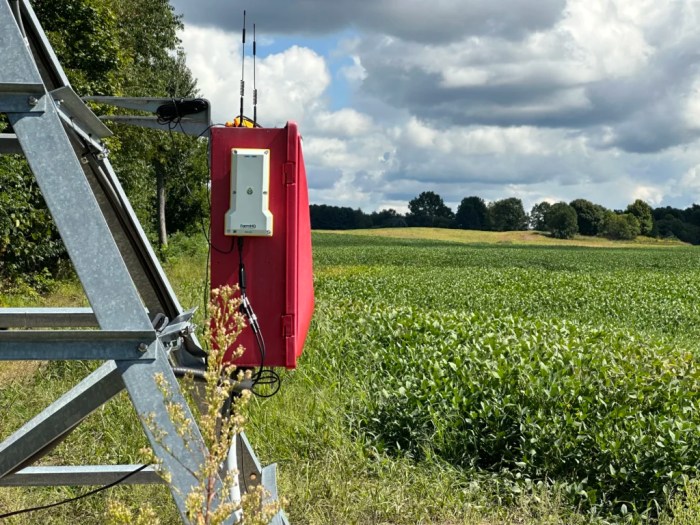
Smart irrigation systems for gardens are revolutionizing the way we approach gardening and landscaping. By leveraging advanced technology and data, these systems ensure that plants receive the right amount of water at the right time, promoting healthier growth and reducing waste. This innovative approach not only conserves water but also adapts to changing weather conditions, making gardening more efficient and eco-friendly.
From sensors that monitor soil moisture levels to automated schedules that adjust based on weather forecasts, smart irrigation systems offer a wide range of features that set them apart from traditional methods. As gardeners increasingly seek sustainable solutions, these systems provide an attractive option for maintaining lush gardens while being mindful of resource usage.
Overview of Smart Irrigation Systems

Smart irrigation systems are revolutionizing the way we nurture our gardens. These advanced systems utilize technology to optimize water usage, ensuring that plants receive the appropriate amount of moisture while conserving water resources. The benefits of smart irrigation extend beyond just plant health; they include reduced water bills, decreased environmental impact, and the convenience of remote management.The technology behind smart irrigation systems integrates various elements, including soil moisture sensors, weather data, and automated control systems.
These components work together to determine the precise watering needs of your garden. By taking into account current weather conditions and soil moisture levels, these systems can adjust watering schedules automatically, which minimizes waste and maximizes efficiency.
Technology Behind Smart Irrigation Systems
The core technology of smart irrigation systems involves a combination of sensors, controllers, and data analytics. Sensors placed in the soil monitor moisture levels, while weather data can be sourced from local forecasts or connected weather stations. This information is relayed to a central control unit, which processes the data to create a tailored irrigation schedule. The integration of mobile applications also allows homeowners to control their irrigation systems remotely.
For instance, users can adjust settings through their smartphones, receive notifications about watering needs, and analyze water usage patterns. This tech-savvy approach not only makes gardening easier but also more sustainable.
Popular Smart Irrigation Products
Several smart irrigation products have gained popularity in the market due to their effectiveness and ease of use. Here are a few noteworthy examples:
- Rachio Smart Sprinkler Controller: This device allows users to manage their sprinkler systems via a smartphone app. It adjusts watering schedules based on local weather data, ensuring optimal water usage.
- Orbit B-hyve Smart Hose Faucet Timer: Ideal for smaller gardens, this product connects to a hose faucet and can be programmed to water plants according to specific schedules, while also considering weather conditions.
- RainMachine: A weather-based irrigation controller that integrates with Wi-Fi, providing real-time weather updates to optimize watering schedules automatically.
- Netro Smart Sprinkler Controller: This product learns the watering needs of your garden over time and adjusts itself, reducing water waste and enhancing plant health.
Each of these products represents a step forward in garden care, providing users with the ability to maintain lush, healthy landscapes while being mindful of water conservation. As technology continues to evolve, smart irrigation systems will undoubtedly become more accessible and efficient, further transforming gardening practices.
Key Features of Smart Irrigation Systems
Smart irrigation systems represent a significant advancement in gardening and agricultural technology, aiming to optimize water usage while ensuring the health of plants. These systems harness technology to provide precise water delivery based on specific needs, ultimately enhancing plant growth and conserving resources.The effectiveness of a smart irrigation system hinges on several key features that set it apart from traditional irrigation methods.
These systems utilize automation, connectivity, and data analysis to deliver water efficiently. The most notable differences between conventional and smart irrigation systems include their responsiveness to environmental conditions and their ability to minimize water waste.
Essential Features of Smart Irrigation Systems
Smart irrigation systems boast a range of features that contribute to their efficiency and effectiveness. Understanding these features helps gardeners choose the right system for their needs. Here are some of the essential characteristics:
- Automated Scheduling: Smart systems can automatically adjust watering schedules based on plant needs and environmental conditions, significantly reducing water waste.
- Remote Access: Many smart irrigation systems can be controlled via smartphone apps, allowing users to monitor and adjust their irrigation from anywhere at any time.
- Soil Moisture Sensors: These sensors measure the moisture level in the soil, determining when irrigation is necessary, which helps avoid overwatering.
- Weather Data Integration: Smart irrigation systems often incorporate local weather forecasts to optimize watering schedules, preventing irrigation during rain or high humidity.
- Drip Irrigation Capability: Many smart systems are compatible with drip irrigation methods, delivering water directly to the plant roots where it’s needed most.
Differences Between Conventional Irrigation and Smart Systems
The differences between conventional irrigation systems and smart systems are profound. Traditional irrigation methods often rely on fixed schedules and manual adjustments, which can lead to inefficient water use. In contrast, smart systems utilize real-time data to make informed decisions about when and how much water to deliver.
“The integration of technology in smart irrigation allows for precise control over water delivery, ensuring that plants receive the right amount of moisture at the right time.”
Role of Sensors and Weather Data
Sensors play a crucial role in optimizing water usage in smart irrigation systems. Soil moisture sensors, for example, provide accurate readings of the moisture levels, allowing the system to activate irrigation only when necessary. Similarly, weather data integration helps the system anticipate rainfall or changes in temperature, adjusting its operation accordingly.The importance of these features cannot be overstated. They not only enhance plant health but also contribute to significant water savings.
By utilizing weather data, smart irrigation systems can predict when natural precipitation will occur, allowing for adjustments that prevent unnecessary watering. In essence, the combination of sensors and weather data in smart irrigation systems leads to a more sustainable approach to gardening, ensuring that water resources are used efficiently while maintaining the vitality of plants.
Implementation and Installation
Setting up a smart irrigation system can transform your gardening experience by ensuring your plants receive the right amount of water at the right time. The process involves several steps, from planning your layout to the final touches of configuration. The implementation of a smart irrigation system requires a methodical approach to ensure efficiency and functionality. Here’s a comprehensive guide on how to set it up effectively.
Steps for Setting Up a Smart Irrigation System
The installation process involves multiple stages that require careful planning and execution. Below are the essential steps to follow:
- Assess Your Garden: Start by evaluating the size of your garden and the types of plants you are growing. This assessment will dictate the irrigation needs.
- Choose the Right System: Select a smart irrigation system that matches your garden’s requirements, considering factors such as water source availability and system compatibility.
- Plan the Layout: Design the irrigation layout, including the placement of sprinkler heads, drip lines, and the controller unit. Make sure to account for plant spacing and sunlight exposure.
- Gather Tools and Materials: Compile all the necessary tools and materials for the installation to avoid interruptions during the process.
- Install the System: Begin the installation by laying out the tubing, connecting the fittings, and positioning the sprinkler heads as per your plan.
- Set Up the Controller: Configure the smart irrigation controller according to the specific watering schedule and preferences for your garden.
- Test the System: After installation, run the system to check for any leaks or adjustments needed to ensure optimal water distribution.
- Monitor and Adjust: Once the system is operational, monitor its performance and make any necessary adjustments based on environmental changes or plant growth.
Checklist for Tools and Materials
Having the right tools and materials at hand is crucial for a smooth installation. Below is a checklist to help you prepare:
- Smart irrigation controller
- Drip tubing or hoses
- Sprinkler heads
- Connectors and fittings
- Shovel and digging tools
- Tape measure
- Level and stakes
- Wire cutters and pliers
- Filter and pressure regulator
- Backflow preventer
- Smartphone or device for app configuration
Common Pitfalls to Avoid During Installation
While installing a smart irrigation system can be straightforward, several common mistakes can lead to inefficiencies or system failure. Being aware of these pitfalls can save you time and resources:
Proper planning and foresight can prevent many installation errors.
- Neglecting Local Regulations: Familiarize yourself with local water use regulations or restrictions that may impact your irrigation system.
- Improper Placement of Components: Ensure all components are positioned correctly to avoid overlapping water zones and ensure full coverage.
- Ignoring Soil Type: Different soil types absorb water at varying rates; adjust your watering schedule accordingly to prevent overwatering or underwatering.
- Forgetting to Test the System: Always run tests after installation to identify leaks or issues before regular use.
- Failing to Monitor Performance: Regularly check the system’s performance and make adjustments based on seasonal changes or plant health.
Benefits of Smart Irrigation for Garden Health
Smart irrigation systems revolutionize the way we care for our gardens, ensuring that plants receive the precise amount of water they need for optimal growth. These systems utilize advanced technology to monitor soil moisture levels, weather conditions, and plant requirements. As a result, they contribute significantly to healthier plants and more vibrant landscapes while promoting efficient water usage.One of the primary advantages of smart irrigation is its ability to maintain consistent moisture levels in the soil, which is critical for plant health.
By utilizing sensors and automated watering schedules, these systems ensure that plants are neither overwatered nor underwatered. This leads to improved root development, enhanced nutrient uptake, and increased resilience against pests and diseases.
Water Conservation Statistics
Smart irrigation systems are particularly noteworthy for their efficiency in water conservation compared to traditional gardening methods. The statistics are compelling, showcasing the substantial reduction in water usage that can be achieved with the adoption of these systems.
- Traditional irrigation methods often waste up to 50% of water due to evaporation, runoff, and overwatering.
- Smart irrigation technology can reduce water usage by approximately 30-50% through precise watering techniques.
- According to a study by the Environmental Protection Agency (EPA), a typical household using a smart irrigation system can save about 15,000 gallons of water annually.
These figures demonstrate the undeniable impact of smart irrigation on promoting responsible water use, which is vital in regions facing water scarcity.
Successful Garden Transformations
Several case studies highlight the transformative effects of smart irrigation systems on gardens, showcasing their ability to enhance plant health and overall garden aesthetics. One notable example is a community garden in California that adopted a smart irrigation system.
- Prior to installation, the garden struggled with uneven watering, resulting in patchy growth and a high incidence of plant diseases. After implementing smart irrigation, the garden saw a 40% increase in plant health ratings within the first growing season.
- Another case involves a residential garden in Arizona, where the homeowner reported a dramatic reduction in water bills while simultaneously achieving a lush, thriving landscape. The system adjusted watering schedules based on local weather forecasts, leading to healthier plants that flourished in the arid climate.
These examples underscore the real-world benefits of smart irrigation, illustrating how technology can foster healthier gardens while championing environmental conservation.
Maintenance and Troubleshooting
Maintaining a smart irrigation system is crucial to ensure its longevity and efficiency. Regular upkeep not only prevents malfunctions but also optimizes water usage, contributing to healthier gardens. A proactive approach to maintenance can save time, money, and resources while enhancing the overall performance of your irrigation system.Keeping your smart irrigation system functioning optimally involves routine checks and immediate attention to any issues that arise.
Common problems can include blockages in the emitters, faulty sensors, or connectivity issues with the control systems. Understanding how to troubleshoot these issues can minimize downtime and maintain your garden’s health.
Maintenance Tips
Implementing a regular maintenance routine is vital for the longevity of your smart irrigation system. Here are some essential tasks to consider:
- Check Filters and Emitters: Regularly inspect filters and emitters for blockages or debris. Clean or replace them as necessary to ensure uniform water distribution.
- Inspect Hoses and Connections: Look for leaks or cracks in hoses. Tighten connections and replace any damaged components to prevent water wastage.
- Test Sensors: Periodically test soil moisture sensors and rain shut-off devices to confirm they are functioning correctly. Faulty sensors can lead to over or under-watering.
- Review System Programming: Regularly verify that the irrigation schedule aligns with seasonal needs. Adjust run times based on weather conditions and plant needs.
- Evaluate Coverage: Check that water coverage is adequate across your garden. Adjust sprinkler heads or drip lines if certain areas are receiving insufficient water.
Troubleshooting Common Issues
When problems arise, knowing how to troubleshoot can help quickly restore functionality. Here’s a breakdown of common issues and their solutions:
- No Water Flow: If the system isn’t watering, check for clogs in filters or emitters. Verify that the water source is connected and operational.
- Poor Coverage: If some areas are dry, inspect for blocked emitters or misaligned sprinkler heads. Adjust their placement as needed to ensure even distribution.
- Sensor Malfunctions: If sensors are not reading accurately, clean them and check for any dirt buildup. Replace faulty sensors to ensure proper moisture readings.
- Connectivity Issues: Ensure your smart system is connected to Wi-Fi. Restart the control hub if there are issues with remote access or app connectivity.
- Overwatering or Underwatering: If plants appear wilted or waterlogged, review the programming settings and adjust the irrigation schedule accordingly.
Routine Maintenance Schedule
Creating a maintenance schedule can help in organizing tasks and ensuring nothing is overlooked. Here’s a suggested timeline for maintaining your irrigation system:
| Task | Frequency |
|---|---|
| Inspect filters and emitters | Monthly |
| Check hoses and connections | Bi-monthly |
| Test sensors | Seasonally |
| Review irrigation programming | Monthly |
| Evaluate coverage | At the start of each season |
Regular maintenance and troubleshooting efforts will ensure that your smart irrigation system performs effectively, allowing your garden to thrive with minimal effort. By adhering to a structured maintenance plan, you can quickly address any issues that arise and keep your garden healthy and vibrant.
Integration with Other Home Improvement Aspects
Smart irrigation systems do more than just water your garden; they can integrate seamlessly with various home improvement elements to create a cohesive and beautiful outdoor environment. By enhancing exterior landscaping and outdoor decor, these systems work in harmony with other technologies to elevate your garden’s appearance and functionality. This integration not only improves aesthetics but also contributes to a healthier and more enjoyable outdoor space.
Enhancement of Exterior Landscaping
Smart irrigation systems can significantly enhance the overall appeal of your exterior landscaping. Properly managed watering schedules ensure that plants receive the right amount of moisture, which in turn supports vibrant foliage, blooming flowers, and lush lawns. This integration can be further enhanced by considering the following aspects:
- Automated watering tailored to plant needs ensures optimal growth and health.
- Adjustments based on weather forecasts can prevent over or under-watering, maintaining a balanced landscape.
- Integration with landscaping features such as decorative stones or water features creates a harmonious environment.
Smart irrigation systems work hand-in-hand with landscape design for visual appeal, allowing homeowners to create stunning outdoor spaces.
Connections with Home Lighting
Integrating smart irrigation systems with home lighting can create captivating nighttime aesthetics in your garden. When both systems work together, they can transform outdoor spaces into enchanting areas that highlight features without overwhelming the nighttime ambiance. Consider these points:
- Smart lights can be programmed to turn on at dusk, illuminating pathways, flower beds, and key landscape features while the irrigation system ensures these plants are adequately watered.
- Timed lighting can create dramatic effects on wet foliage, enhancing the colors and textures of the garden.
- Coordinating irrigation with lighting schedules can ensure that plants are watered without interfering with lighting functions, promoting energy efficiency.
This synergy not only boosts the garden’s visual appeal but also fosters a welcoming atmosphere for outdoor gatherings.
Synergy Between Smart Irrigation and Pest Control Measures
The integration of smart irrigation systems with pest control measures creates a smart gardening ecosystem that promotes plant health while managing pest populations effectively. A well-watered garden is less prone to stress and disease, which can invite pests. The following elements contribute to an effective synergy:
- Automated irrigation can be adjusted to avoid over-watering, which reduces the risk of attracting pests like mosquitoes that thrive in stagnant water.
- Sensors can be employed to monitor soil moisture levels, allowing for precise watering that doesn’t encourage pest infestation.
- Integrated pest control solutions, such as organic repellents, can be utilized in conjunction with smart systems to target specific pests at the right time without harming beneficial insects.
This holistic approach not only preserves garden health but also minimizes the need for chemical pesticides, creating a safer environment for both plants and garden visitors.
Eco-Friendly Practices and Sustainability
Smart irrigation systems not only enhance the efficiency of water usage but also play a significant role in promoting eco-friendly gardening practices. By reducing water wastage and optimizing irrigation schedules based on real-time data, these systems contribute to environmental sustainability. The integration of smart technology in gardening aligns with the growing need for more responsible resource management and promotes healthier ecosystems.The environmental impact of smart irrigation systems is primarily positive.
These systems minimize water consumption by using sensors to detect soil moisture levels and adjust watering accordingly. This means less water runoff and reduced strain on local water supplies. Furthermore, implementing smart irrigation can lead to healthier plants, which in turn support local wildlife and contribute to biodiversity.
Incorporation of Sustainable Practices
To enhance sustainability in garden care, several practices can be seamlessly integrated with smart irrigation systems. These practices not only complement the use of technology but also establish a more ecologically balanced garden environment.
- Native Plant Selection: Choosing native plants that are well-adapted to the local climate can significantly reduce the need for supplemental watering and chemical fertilizers.
- Rainwater Harvesting: Collecting rainwater in barrels can provide an additional water source for irrigation, further decreasing reliance on municipal water. Smart systems can integrate this resource for optimal use.
- Compost Usage: Incorporating organic compost enhances soil health, allowing plants to retain moisture more effectively, which can be monitored by smart irrigation systems.
- Soil Health Monitoring: Utilizing smart technology to analyze soil quality can guide gardeners in making informed decisions about amendments and watering needs.
Eco-Friendly Landscaping Ideas
In addition to smart irrigation systems, various landscaping ideas can support sustainable gardening practices. These ideas not only enhance the aesthetic appeal of gardens but also contribute positively to the environment.
- Permeable Paving: Using permeable materials for patios and walkways allows rainwater to filter into the ground, reducing runoff and promoting groundwater recharge.
- Xeriscaping: Designing gardens to require minimal irrigation by selecting drought-tolerant plants can significantly save water while maintaining beauty.
- Green Roofs: Installing green roofs can improve insulation, manage stormwater, and provide additional green space for plants, positively impacting urban environments.
- Pollinator Gardens: Creating spaces filled with flowering plants that attract bees, butterflies, and other pollinators can support local ecosystems and enhance biodiversity.
- Edible Landscaping: Incorporating edible plants into landscaping not only provides fresh produce but also reduces the carbon footprint associated with transporting food.
“By adopting eco-friendly practices and sustainable landscaping, gardeners can create thriving environments that benefit both nature and their communities.”
Future Trends in Smart Irrigation Technology
The evolution of smart irrigation technology is set to reshape the gardening landscape significantly in the coming years. As innovations continue to emerge, they promise to enhance efficiency, sustainability, and user engagement in managing garden water resources. Anticipating future trends allows gardeners and industry professionals to prepare for a more integrated and responsive approach to irrigation.Advancements in technology are converging to create smarter irrigation systems that adapt to environmental changes and user preferences in real-time.
Recent developments in artificial intelligence (AI), the Internet of Things (IoT), and big data analytics are paving the way for more precise water management strategies. As these technologies evolve, they offer exciting prospects for future garden irrigation systems, combining efficiency with sustainability for better garden health and resource conservation.
Emerging Technologies Influencing Smart Irrigation
Several emerging technologies are poised to enhance smart irrigation systems:
- AI and Machine Learning: These technologies can analyze weather patterns, soil moisture levels, and plant health data to optimize irrigation schedules and amounts automatically.
- IoT Sensors: Advanced sensors can be placed throughout gardens to provide real-time data, allowing for remote monitoring and control of irrigation systems.
- Cloud Computing: Storing data in the cloud enables the integration of diverse datasets, enhancing decision-making processes for irrigation management.
- Mobile Applications: User-friendly apps will continue to empower homeowners to manage irrigation systems conveniently from their smartphones, providing alerts and reports on water usage.
- Drone Technology: Drones equipped with thermal imaging can assess plant health and moisture levels across large areas, allowing for targeted irrigation interventions.
Predictions for the Future Landscape of Garden Irrigation Systems
Looking ahead, the smart irrigation landscape is expected to become more sophisticated. Key predictions include:
- The increasing adoption of fully automated systems that require minimal user intervention while still delivering optimal irrigation based on real-time conditions.
- Integration of renewable energy sources, such as solar-powered systems, that reduce the carbon footprint associated with garden irrigation.
- Enhanced data analytics capabilities that allow for predictive modeling, helping gardeners anticipate plant needs based on weather forecasts and growing conditions.
- A shift towards modular systems that can easily expand or adapt based on garden size and plant types, allowing for personalized irrigation solutions.
- Greater emphasis on user education and engagement, as technology becomes more accessible and homeowners seek to understand the impact of their irrigation practices on water conservation.
Integration of Smart Home Technology with Irrigation Systems
The future will see a seamless integration of smart home technology with irrigation systems. Homeowners will benefit from interconnected devices that facilitate comprehensive control over their environments. This integration includes:
- Smart Controllers: These devices will communicate with other home systems, such as weather stations and home automation systems, to optimize watering schedules.
- Voice-Activated Systems: Compatibility with virtual assistants like Amazon Alexa or Google Assistant will enable hands-free control over irrigation settings, enhancing convenience.
- Home Monitoring Systems: Integrating irrigation data into broader home monitoring platforms will provide homeowners with insights into overall water consumption and efficiency.
- Alerts and Notifications: Homeowners will receive real-time notifications regarding irrigation schedules, system maintenance needs, or unusual changes detected in the garden.
The smart irrigation sector is heading towards a more integrated, efficient, and eco-friendly future, where technology plays a pivotal role in conserving resources and promoting healthy gardens.
Enhancing Interior and Garden Aesthetics
Creating a visually appealing garden is as much about design as it is about functionality. Smart irrigation systems not only promote efficient water usage but also support the aesthetic quality of your garden and indoor spaces. By integrating technology with creativity, you can cultivate a stunning kitchen garden that harmonizes with your home’s overall decor and enhances the beauty of both interiors and exteriors.
Utilizing Smart Irrigation for Kitchen Gardens
Kitchen gardens benefit significantly from smart irrigation systems, which ensure optimal soil moisture and plant health. An effective approach includes the following elements:
- System Selection: Choose a smart irrigation system with soil moisture sensors to monitor water needs accurately and adjust schedules accordingly.
- Plant Selection: Incorporate a variety of herbs, vegetables, and edible flowers that complement each other visually while also making for attractive, functional displays.
- Layout Design: Design the layout with raised beds or vertical gardens to maximize space and create a visually striking garden that is easy to maintain.
Smart irrigation enhances the aesthetics of your kitchen garden by allowing plants to thrive, thus displaying their full vibrancy and creating an inviting atmosphere for cooking and dining experiences.
Landscaping Techniques Pairing with Smart Irrigation
Incorporating landscaping techniques in conjunction with smart irrigation can result in a stunning outdoor environment. Consider these key practices:
- Layered Planting: Use a mix of heights and textures, such as tall perennials, medium shrubs, and ground covers, to create depth and interest.
- Pathway Design: Construct natural stone or gravel pathways that guide visitors through the garden, enhancing both accessibility and visual appeal.
- Color Schemes: Select plants that bloom in varying colors across seasons to ensure continuous visual interest throughout the year.
These landscaping techniques, aligned with smart irrigation, enhance the overall decor of your garden, creating a lush and inviting space that becomes a point of pride.
Influence of Lighting Design on Gardens
Lighting plays a crucial role in enhancing garden aesthetics, particularly when synchronized with smart irrigation systems. Here’s how lighting can elevate your garden’s appeal:
- Highlighting Features: Use spotlights to illuminate unique plants, sculptures, or water features, drawing attention to the garden’s focal points.
- Safety and Navigation: Install pathway lights to ensure safe movement through the garden at night, while also creating a warm and welcoming ambiance.
- Color Temperature: Choose warm LED lights to create a cozy atmosphere that complements the natural hues of plants, making them appear more vibrant in the evenings.
Integrating thoughtful lighting design with smart irrigation fosters a captivating outdoor experience, allowing you to enjoy your garden during the day and night while enhancing aesthetic appeal.
Home Renovation and Smart Irrigation
As homeowners embark on renovation projects, there lies a prime opportunity to enhance outdoor spaces through smart irrigation systems. Integrating smart irrigation not only improves water efficiency but also aligns with modern landscaping trends that prioritize sustainability and aesthetic appeal.Incorporating smart irrigation systems during home remodeling can streamline landscaping efforts, ensuring that gardens flourish with minimal manual intervention. A thoughtful approach to landscaping and irrigation planning becomes particularly critical when new construction occurs.
The design of the home and surrounding areas must take into account optimal water distribution and conservation.
Opportunities to Incorporate Smart Irrigation
When renovating a home, several opportunities present themselves for incorporating smart irrigation systems. Identifying these opportunities can enhance both functionality and sustainability in outdoor spaces. Key areas to consider include:
- Landscape Design: During renovations, landscape design offers a blank canvas to implement smart irrigation from the outset. This ensures that watering schedules are tailored to new plantings and soil types.
- Installation of New Hardscaping: Renovations often include the installation of walkways, patios, or decks. Integrating smart irrigation systems can ensure surrounding plants receive adequate moisture without the need for extensive manual watering.
- Integration with Smart Home Systems: Renovation projects provide the perfect opportunity to connect smart irrigation with other home automation systems, facilitating seamless control from a single application.
- Native Plant Selection: Incorporating native plants that are adapted to the local climate reduces water needs and complements the functionality of smart irrigation systems.
Impact of New Construction on Landscaping and Irrigation Planning
New construction significantly influences landscaping and irrigation planning. The layout of the home, changes in soil composition, and alterations to the natural landscape can all affect irrigation needs. Homeowners must consider the following aspects:
- Soil Assessment: New constructions often disrupt existing soil structures. Assessing soil quality helps determine the best irrigation methods and plant selections.
- Water Drainage: Modifications in terrain can alter water drainage patterns. Planning irrigation systems must account for these changes to prevent overwatering or drought conditions in specific areas.
- Plant Growth Requirements: With new construction, it’s essential to understand growth requirements for new plants based on their placement relative to the home and other structures.
- Environmental Considerations: The impact on local ecosystems should guide the selection of plants and irrigation systems to ensure sustainability.
Roadmap for Integrating Smart Irrigation in Renovation Plans
Creating a roadmap for integrating smart irrigation into renovation plans involves several critical steps. This structured approach not only enhances garden health but also optimizes water usage effectively.
- Evaluate Existing Systems: Analyze any current irrigation systems and determine what enhancements or replacements are needed.
- Set Clear Goals: Establish specific goals for the garden, such as water conservation targets or aesthetic preferences.
- Research Smart Technologies: Investigate various smart irrigation technologies, including sensors, timers, and weather-based controllers, to find the best fit.
- Plan Layouts: Design the irrigation layout in conjunction with landscape design, ensuring optimal coverage and efficiency.
- Consult Professionals: Engage with landscape architects or irrigation specialists who can provide insights and recommendations tailored to individual projects.
- Implementation: Schedule installation during the renovation process to allow for seamless integration with other construction activities.
- Monitoring and Adjustment: Post-installation, regularly monitor the system for effectiveness, making adjustments as needed based on plant growth and seasonal changes.
Ultimate Conclusion
In conclusion, adopting smart irrigation systems for gardens not only enhances the beauty and health of your plants but also aligns with sustainable practices that benefit the environment. As technology continues to evolve, these systems will likely become an integral part of gardening, offering innovative solutions for both new and seasoned gardeners. Embracing this shift can lead to vibrant landscapes and significant water savings, redefining our relationship with nature.
Frequently Asked Questions
What are the main benefits of smart irrigation systems?
Smart irrigation systems conserve water, promote plant health, and reduce labor through automation.
Can smart irrigation systems be integrated with smart home devices?
Yes, many smart irrigation systems can connect with smart home devices for enhanced control and monitoring.
How do smart irrigation systems save water?
By using sensors and weather data, these systems deliver water only when necessary, minimizing waste.
Are smart irrigation systems easy to install?
Yes, most systems come with user-friendly installation guides, though some may require professional help.
Do smart irrigation systems require regular maintenance?
Yes, regular checks and maintenance are needed to ensure optimal performance and longevity of the system.


