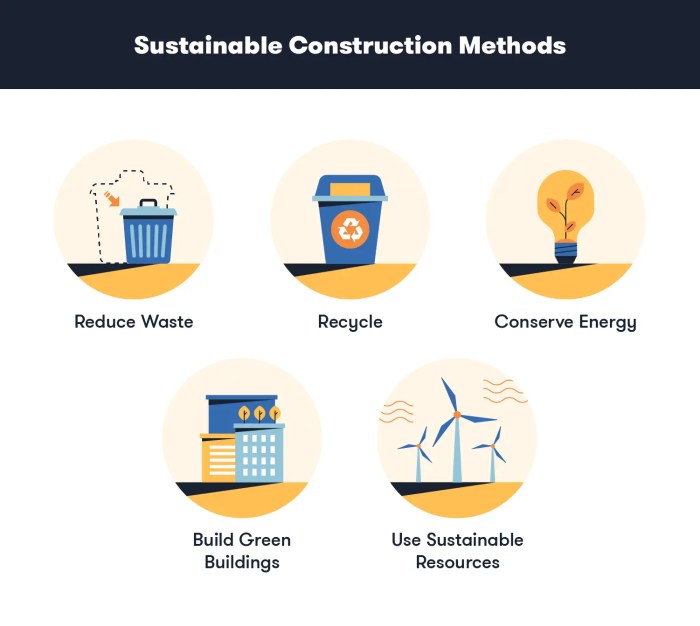
Sustainable construction techniques are revolutionizing the way we build and inhabit our spaces, focusing on methods that not only meet our current needs but also preserve resources for future generations. By integrating eco-friendly practices and materials, these techniques aim to minimize environmental impact while enhancing the livability of our homes and buildings.
From energy-efficient designs to innovative plumbing solutions, adopting sustainable methods fosters a healthier planet and promotes economic benefits. As we explore the various components of sustainable construction, it becomes clear that the future of building lies in our commitment to environmental stewardship and responsible design.
Sustainable Construction Techniques Overview
Sustainable construction techniques encompass a range of practices aimed at minimizing environmental impact while maximizing resource efficiency and social responsibility. As the global population grows and the effects of climate change become more pronounced, the significance of these techniques has surged. Embracing sustainable construction not only contributes to preserving the planet but also enhances the quality of life for current and future generations.Sustainable construction techniques emphasize the use of eco-friendly materials, energy-efficient processes, and waste reduction strategies.
By integrating these practices, the construction industry can significantly reduce its carbon footprint and promote a healthier environment. This approach is essential not just for compliance with regulations but also for fostering innovation in the built environment.
Materials Used in Sustainable Construction
The choice of materials plays a critical role in sustainable construction. Utilizing renewable, recycled, and locally sourced materials can significantly reduce energy consumption and waste. Here are some examples of sustainable materials commonly used in construction:
- Bamboo: Known for its rapid growth and strength, bamboo is a renewable resource that serves as an excellent alternative to traditional timber.
- Recycled Steel: Steel can be recycled multiple times without losing its structural integrity, making it a sustainable option for construction.
- Rammed Earth: This natural building material is made from compressed earth and has excellent thermal mass properties, reducing the need for heating and cooling.
- Reclaimed Wood: Salvaged wood from old buildings or furniture can be reused, minimizing deforestation and preserving the value of aged timber.
- Insulated Concrete Forms (ICFs): ICFs provide superior insulation, reducing energy consumption for heating and cooling in buildings.
The adoption of these materials not only conserves natural resources but also reduces the amount of waste sent to landfills. Moreover, many of these materials have a lower embodied energy, meaning they require less energy to produce and transport, further enhancing their sustainability.
Benefits of Adopting Sustainable Construction Methods
The benefits of implementing sustainable construction practices extend beyond environmental impact; they also encompass economic and social advantages. These methods provide a holistic approach to construction that can lead to:
- Reduced Energy Costs: Buildings designed with energy efficiency in mind often utilize less energy, resulting in lower utility bills over time.
- Improved Indoor Air Quality: Sustainable materials and construction techniques can reduce pollutants indoors, contributing to healthier living environments.
- Higher Property Values: Sustainable buildings can often command higher prices and attract tenants or buyers who prioritize eco-friendly living.
- Enhanced Community Well-being: Sustainable construction methods often involve the local community, promoting social equity and enhancing local economies.
- Compliance with Regulatory Standards: Many regions are increasingly adopting stringent environmental regulations, and sustainable practices ensure compliance and avoid penalties.
Incorporating sustainable construction techniques creates a ripple effect that promotes environmental stewardship, enhances economic viability, and fosters healthier communities. As stakeholders across the construction industry recognize the importance of sustainability, the shift towards eco-friendly practices becomes not only necessary but also advantageous.
Eco-Friendly Building Materials
In the realm of sustainable construction, the choice of building materials plays a pivotal role in reducing environmental impact. Eco-friendly building materials not only contribute to energy efficiency but also promote sustainability throughout their life cycles. This section explores various eco-friendly materials, their comparative benefits over traditional options, and the importance of lifecycle assessments in the construction industry.
Varieties of Eco-Friendly Building Materials
Understanding the different types of eco-friendly building materials is crucial for making informed decisions in sustainable construction. These materials often come with distinct properties that set them apart from conventional options. Here are some notable eco-friendly materials:
- Recycled Steel: Known for its high strength-to-weight ratio, recycled steel reduces the need for new materials and minimizes energy consumption during production.
- Bamboo: This rapidly renewable resource is lightweight, strong, and requires minimal processing, making it a sustainable alternative to traditional hardwoods.
- Rammed Earth: Made from natural raw materials, rammed earth provides excellent thermal mass, enhancing energy efficiency in buildings.
- Straw Bales: These are excellent insulators, and when used as building blocks, they offer a cost-effective and sustainable solution that sequesters carbon dioxide.
- Recycled Glass: Used in various applications like countertops and tiles, recycled glass reduces waste and adds aesthetic value to construction projects.
Comparative Benefits of Sustainable Alternatives
When comparing eco-friendly materials to traditional options, it is essential to consider factors like environmental impact, durability, and cost-effectiveness. Sustainable alternatives often outperform conventional materials in several key areas:
- Environmental Impact: Eco-friendly materials generally produce fewer greenhouse gas emissions during production and use, contributing to a lower carbon footprint.
- Energy Efficiency: Many sustainable materials possess superior insulating properties, leading to lower energy consumption for heating and cooling.
- Longevity: Sustainable materials like recycled steel and bamboo tend to have longer life spans, reducing the frequency of replacements and waste generation.
- Resource Conservation: Utilizing recycled materials helps preserve natural resources and reduces the need for virgin material extraction.
Lifecycle Assessment of Sustainable Materials
Lifecycle assessment (LCA) is a method employed to evaluate the environmental impact of materials throughout their entire life cycle—from extraction and processing to disposal. This assessment is vital in understanding the holistic effects of using eco-friendly materials. Key stages in the LCA include:
- Raw Material Extraction: Evaluating the sustainability of sourcing materials, including the impact on ecosystems and biodiversity.
- Manufacturing Process: Analyzing energy usage, emissions, and waste produced during the manufacturing phase.
- Usage Phase: Assessing the energy efficiency and performance of materials in actual building scenarios.
- End-of-Life Disposal: Investigating disposal methods and potential for recycling or repurposing, which can significantly affect overall sustainability.
“The true sustainability of a building material can only be judged by considering its entire lifecycle.”
Energy Efficiency in Construction

Improving energy efficiency in construction is essential for reducing operational costs, minimizing environmental impact, and enhancing the overall performance of buildings. By integrating energy-efficient design principles and innovative technologies, construction projects can significantly lower their energy consumption while ensuring comfort and functionality for occupants.To achieve higher energy efficiency in building designs, several methods can be employed. These include optimizing the building orientation to take advantage of natural light and ventilation, utilizing high-performance insulation, and implementing energy-efficient HVAC systems.
Each of these strategies plays a crucial role in reducing energy demands and promoting sustainability.
Innovative Technologies for Energy Efficiency
A variety of innovative technologies are revolutionizing energy-efficient construction practices today. Here are some key advancements:
- Smart Building Systems: These systems use sensors and automation to optimize energy use in real-time, adjusting lighting, heating, and cooling based on occupancy and weather conditions.
- High-Efficiency Windows: Advanced glazing technologies, such as triple-glazed windows, minimize heat transfer, providing better insulation and reducing heating and cooling needs.
- Renewable Energy Integration: Incorporating solar panels and wind turbines can significantly offset energy consumption by harnessing renewable sources and generating on-site energy.
- Energy Storage Solutions: Innovations in battery technology allow for the storage of excess energy generated from renewable sources, ensuring that buildings can utilize this energy when needed.
- Green Roofs and Walls: These installations not only provide insulation but also reduce urban heat island effects and enhance biodiversity, contributing to overall energy efficiency.
Energy-Saving Practices for New Construction Projects
Implementing energy-saving practices during new construction projects can make a significant difference in overall energy efficiency. The following practices are essential considerations:
- Conducting Energy Audits: Before construction, performing thorough energy audits can identify potential areas for energy savings and inform design decisions.
- Utilizing Local Materials: Sourcing materials locally reduces transportation energy costs and supports sustainable practices.
- Designing for Passive Solar Gain: Incorporating design elements that maximize natural light and heat can minimize reliance on artificial heating and cooling systems.
- Implementing Efficient Landscaping: Strategic landscaping can provide shade and reduce heat absorption, helping to lower energy costs for cooling.
- Incorporating Energy-Efficient Appliances: Selecting appliances with high energy ratings contributes to long-term energy savings and operational efficiency.
By prioritizing energy efficiency in construction, we not only enhance building performance but also contribute to a more sustainable future.
Water Conservation Techniques
Water conservation is a critical aspect of sustainable construction, playing a pivotal role in reducing the overall environmental impact of building projects. With the increasing pressure on water resources due to urbanization and climate change, implementing water-efficient practices is essential for ensuring a sustainable future. By integrating water conservation techniques in construction, we not only minimize water waste but also promote responsible usage, ultimately benefiting both the environment and the economy.
Importance of Water Conservation in Sustainable Construction
Water conservation techniques are vital in sustainable construction for several reasons. Firstly, they help mitigate the depletion of local water supplies, ensuring that communities have access to clean water. Secondly, efficient water management reduces operating costs for buildings through lower utility bills. Finally, incorporating water-saving techniques enhances the overall environmental footprint of a project, aligning it with green building standards.
“Water conservation in construction is not just about saving water; it’s about creating a sustainable future.”
Water-Efficient Plumbing Systems and Fixtures
Implementing water-efficient plumbing systems and fixtures is a key strategy in water conservation. These systems are designed to minimize water usage without compromising performance. Examples include:
- Low-Flow Toilets: These toilets use significantly less water per flush compared to traditional models, often reducing water consumption by more than 50%.
- Water-Saving Showerheads: These fixtures provide adequate water pressure while using far less water, typically around 1.5 gallons per minute (GPM) compared to the standard 2.5 GPM.
- Smart Irrigation Systems: These systems utilize sensors and weather data to optimize water use in landscaping, ensuring that plants receive the right amount of water based on current conditions.
Best Practices for Water-Conserving Landscaping
Landscaping plays a significant role in water conservation efforts in construction. Adopting best practices can lead to substantial reductions in water use. Key strategies include:
- Native Plant Selection: Choosing plants that are indigenous to the region helps reduce the need for supplemental watering, as these plants are adapted to local climate and soil conditions.
- Xeriscaping: This landscaping method emphasizes drought-resistant plants and efficient irrigation techniques, minimizing the overall water usage.
- Mulching: Applying mulch around plants helps retain soil moisture, reduces evaporation, and prevents weed growth, thereby decreasing the need for watering.
By focusing on these water conservation techniques, the construction industry can significantly contribute to sustainable development while preserving invaluable water resources for future generations.
Indoor Air Quality and Sustainable Construction
Maintaining indoor air quality (IAQ) is a crucial aspect of sustainable construction, significantly affecting the health and comfort of occupants. Poor IAQ can lead to a variety of health issues, including respiratory problems, headaches, and fatigue. Therefore, integrating strategies to enhance air quality in buildings is essential in the design and construction process. Proper material selection plays a vital role in enhancing IAQ.
Sustainable building materials are often chosen not only for their environmental benefits but also for their impact on indoor air quality. By selecting materials that emit fewer volatile organic compounds (VOCs) and other harmful pollutants, builders can create healthier living environments.
Material Selection for Improved Indoor Air Quality
Choosing the right materials can greatly influence the air quality within a building. Sustainable materials that prioritize low emissions contribute to a cleaner indoor environment. Here are some methods to enhance IAQ through material selection:
- Low-VOC Paints and Finishes: Utilizing paints and finishes that are low in VOCs minimizes harmful emissions, promoting better air quality.
- Natural Fiber Insulation: Materials like cellulose, wool, or cotton insulation are not only eco-friendly but also help regulate moisture and prevent mold growth.
- Non-Toxic Flooring Options: Install flooring made from sustainable materials like bamboo or cork, which have lower emissions compared to traditional options.
- Composite Wood Products: Selecting products made from reclaimed wood or certified sustainable sources reduces the reliance on new materials and often includes low-emission adhesives.
The installation and operation of ventilation systems are also critical to sustaining indoor air quality. Proper ventilation ensures that fresh air circulates throughout a building while expelling stale air and contaminants.
Impact of Ventilation Systems on Indoor Air Quality
Ventilation systems are essential for maintaining a healthy indoor environment by diluting indoor pollutants and removing excess moisture. Effective ventilation strategies can significantly improve IAQ, including:
- Natural Ventilation: Utilizing windows, vents, and other openings allows fresh air to flow into the building, reducing reliance on mechanical systems.
- Mechanical Ventilation Systems: Installing high-efficiency HVAC systems with advanced filtration improves air quality by removing particulates and allergens.
- Balanced Ventilation: A balanced system provides equal amounts of incoming and outgoing air, maintaining pressure and minimizing drafts.
- Smart Ventilation Controls: Implementing sensors and automated controls based on occupancy and air quality levels ensures efficient operation and enhances comfort.
Incorporating these practices in sustainable construction not only ensures better air quality but also aligns with the broader goals of sustainability by reducing the environmental impact of buildings while enhancing the well-being of their occupants.
Interior Design and Decorating in Sustainable Homes
Sustainable interior design goes beyond aesthetics; it integrates eco-friendly principles into the living spaces we inhabit. This approach emphasizes the use of sustainable materials, energy efficiency, and health-conscious choices that contribute to a more environmentally responsible lifestyle. By focusing on these aspects, homeowners can create spaces that not only look good but also support well-being and environmental stewardship.Sustainable interior design principles encompass a range of considerations, from the choice of materials to the overall ambiance of a space.
When designing interiors sustainably, it is essential to prioritize the use of non-toxic materials, energy-efficient systems, and spaces that promote natural light and air flow. These elements work together to reduce the environmental impact of a home while enhancing the quality of life for its inhabitants.
Sustainable Material Choices
Using reclaimed or recycled materials can have a significant impact on reducing waste and conserving resources. These materials not only add character to a space but also tell a story and promote sustainability. Here are some ideas for incorporating recycled materials into home decor:
- Reclaimed Wood: Repurposed wood from old barns, pallets, or even furniture can be transformed into stunning flooring, furniture, or accent walls, adding warmth and uniqueness to interiors.
- Recycled Glass: Glass tiles made from recycled bottles or jars can be used in kitchen backsplashes or bathroom designs, creating a visually striking feature while minimizing waste.
- Vintage Items: Incorporating vintage furniture and decor pieces not only reduces the demand for new products but also brings a sense of history and personality to the home.
- Bamboo and Cork: Both materials are rapidly renewable and can be used for flooring, cabinetry, and various decorative elements, offering sustainable options that are stylish and durable.
Color and Lighting Choices
Color and lighting choices play a critical role in enhancing sustainability while creating a welcoming atmosphere. Thoughtful selections can significantly influence energy consumption and the overall aesthetic. Here are some important aspects to consider:
- Natural Light: Maximizing natural light through window placement and the use of reflective surfaces reduces the need for artificial lighting, thus conserving energy. Skylights and large windows can create bright, open spaces that feel more inviting.
- Energy-Efficient Lighting: Choosing LED or CFL bulbs not only reduces energy consumption but also provides a longer lifespan compared to traditional bulbs. Dimmers and smart lighting systems can further enhance efficiency.
- Color Psychology: Light colors can make spaces feel larger and more open, while dark colors can create a cozy atmosphere. Selecting paint with low or zero volatile organic compounds (VOCs) contributes to better indoor air quality.
- Accent Lighting: Strategically placed accent lighting can highlight architectural features or artwork, adding depth and interest to rooms while reducing the need for overhead lighting.
“By incorporating sustainable interior design principles, we can create spaces that not only reflect our values but also promote health and well-being.”
Incorporating these sustainable interior design practices into homes not only benefits the environment but also enhances the aesthetic appeal and functionality of living spaces. The thoughtful selection of materials, colors, and lighting can transform a house into a home that is both beautiful and sustainable.
Kitchen Improvements with Sustainability in Mind
Incorporating sustainability into kitchen designs not only enhances the aesthetic appeal but also contributes significantly to energy conservation and environmental protection. With the increasing awareness of eco-friendly practices, modern kitchens are now equipped with sustainable solutions that promote efficiency, reduce waste, and enhance indoor air quality. This segment explores energy-efficient appliances, sustainable layouts, and eco-friendly materials that can transform your kitchen into a green haven.
Energy-Efficient Appliances
Energy-efficient appliances play a crucial role in creating sustainable kitchens. These appliances are designed to consume less energy while delivering superior performance. When selecting appliances, look for the ENERGY STAR certification, which indicates that the product meets strict efficiency guidelines set by the U.S. Environmental Protection Agency. Examples include:
- Refrigerators: Modern ENERGY STAR refrigerators use up to 15% less energy than conventional models. They often feature smart technology that adjusts cooling based on usage patterns.
- Dishwashers: Newer dishwashers can wash a full load using as little as 3 gallons of water, greatly reducing both water and energy consumption.
- Induction Cooktops: These heat up quickly and provide precise temperature control while using less energy compared to traditional electric or gas cooktops.
Sustainable Kitchen Layouts and Designs
Designing a sustainable kitchen goes beyond choosing the right appliances; it involves creating an efficient layout that maximizes workflow and minimizes energy use. Key design principles include:
- Work Triangle: The kitchen triangle concept ensures that the stove, sink, and refrigerator are placed in a way that facilitates smooth movement, reducing unnecessary energy expenditure.
- Natural Lighting: Incorporate large windows or skylights to utilize natural light, reducing the need for artificial lighting during the day.
- Recycled Materials: Use recycled materials for countertops and cabinetry. Options like recycled glass, reclaimed wood, and sustainable bamboo not only look great but also reduce environmental impact.
Eco-Friendly Materials for Kitchen Renovations
Choosing eco-friendly materials is vital for sustainable kitchen renovations. The right materials can significantly reduce your carbon footprint while ensuring durability and style. Consider the following options:
- Low-VOC Paints: These paints emit fewer volatile organic compounds, improving indoor air quality.
- Reclaimed Wood: Using reclaimed wood for cabinets or flooring not only provides unique character but also prevents deforestation.
- Quartz and Glass Countertops: Made from recycled materials, these options are both stylish and environmentally friendly.
“Sustainable kitchen practices lead to a healthier home and planet.”
Landscaping Outdoor Decorating for Sustainability
Sustainable landscaping is a powerful way to enhance the beauty of outdoor spaces while contributing positively to the environment. By integrating eco-friendly practices, we can create vibrant landscapes that not only look good but also support local ecosystems and promote sustainable living. This approach emphasizes biodiversity, resource conservation, and the use of native plants to minimize maintenance and water usage.
Sustainable Landscaping Practices That Enhance Biodiversity
Incorporating sustainable landscaping techniques encourages a thriving ecosystem, providing habitat for various wildlife species. These practices help maintain the health of the environment while allowing for aesthetically pleasing gardens and outdoor spaces. Key strategies include:
- Creating Pollinator Gardens: These gardens attract bees, butterflies, and other beneficial insects that are essential for pollination. Including a variety of flowering plants ensures a continuous bloom throughout the growing season.
- Installing Birdhouses and Feeders: Providing nesting sites and food sources encourages birds to inhabit your garden, contributing to natural pest control and enhancing biodiversity.
- Using Organic Mulch: Organic mulches not only suppress weeds but also decompose over time, enriching the soil while promoting healthy plant growth.
- Incorporating Rain Gardens: These gardens capture and filter runoff water, reducing erosion and providing crucial habitat for amphibians and other wildlife.
Native Plants That Require Less Water and Maintenance
One of the most effective ways to achieve a sustainable landscape is to utilize native plants. These plants are adapted to the local climate and soil conditions, requiring less water and maintenance compared to non-native species. Consider the following benefits of native plants:
- Water Conservation: Native plants are more drought-resistant, reducing the need for irrigation and conserving water resources.
- Low Maintenance: Once established, native plants typically require less upkeep, which means less time and resources spent on gardening.
- Supporting Local Wildlife: Native plants provide food and shelter for local wildlife, contributing to biodiversity and ecosystem health.
Examples of native plants include:
Black-eyed Susan
A hardy perennial that thrives in various soil types and attracts pollinators.
Coneflower
Known for its vibrant colors and ability to thrive in drought conditions.
Butterfly Bush
A magnet for butterflies and beneficial insects, providing nectar throughout the summer.
Outdoor Spaces That Promote Sustainable Living
Creating outdoor spaces that foster sustainable living involves designing areas that encourage eco-friendly practices and community involvement. Aspects to consider include:
- Community Gardens: These spaces not only provide fresh produce but also foster community engagement and education about sustainable practices.
- Edible Landscapes: Incorporating fruit trees, vegetable beds, and herb gardens into your landscape can provide food while reducing the carbon footprint associated with transporting produce.
- Composting Areas: Designing a space for composting organic waste helps reduce landfill contributions and creates nutrient-rich soil for gardening.
By thoughtfully designing outdoor spaces with sustainability in mind, we can create environments that inspire a greener way of living and promote community involvement in ecological stewardship.
Home Lighting Solutions
In today’s eco-conscious world, selecting the right lighting solutions for residential properties is essential for both energy efficiency and sustainability. Home lighting not only impacts the aesthetic appeal of a space but also plays a significant role in reducing energy consumption. By understanding various lighting options and design strategies, homeowners can achieve a well-lit, inviting environment while minimizing their energy usage.Energy-efficient lighting options have become increasingly popular as technology advances, providing both functionality and sustainability.
Modern choices such as LED, CFL, and smart lighting systems offer homeowners numerous benefits. These options are not only long-lasting but also consume significantly less energy compared to traditional incandescent bulbs. Furthermore, they reduce the frequency of bulb replacements, resulting in less waste.
Benefits of Natural versus Artificial Lighting
Natural lighting is often preferred for its health benefits and energy savings. It creates a warm and inviting atmosphere while lowering electricity costs. On the other hand, artificial lighting, when designed and implemented strategically, can complement natural light and enhance the overall ambiance of a home.Comparing natural and artificial lighting highlights their unique advantages:
- Natural Lighting: Harnessing sunlight maximizes energy efficiency, reducing reliance on electric lighting during daylight hours.
- Health Benefits: Exposure to natural light improves mood, boosts productivity, and supports overall well-being.
- Cost-Effective: Utilizing daylight reduces electricity bills and the carbon footprint associated with energy production.
- Artificial Lighting: Offers flexibility in design, allowing homeowners to create a desired ambiance at any time of day.
- Variety of Options: Available in various styles, color temperatures, and wattages to suit specific needs and preferences.
- Smart Systems: Modern technology enables automated control, energy monitoring, and customizable settings for optimal efficiency.
Lighting Design for Energy Savings
An effective lighting design plan can significantly contribute to overall energy savings in a home. By strategically placing fixtures and selecting appropriate light sources, homeowners can maximize efficiency while enhancing aesthetic appeal.When planning lighting design, consider the following aspects:
- Layered Lighting: Combining ambient, task, and accent lighting creates a balanced and functional environment.
- Smart Controls: Utilizing dimmers, timers, and motion sensors ensures lights are used only when necessary, conserving energy.
- Placement: Positioning lights to minimize shadows and maximize task visibility enhances effectiveness and reduces glare.
“Proper lighting design can decrease energy consumption by up to 30% while improving the quality of light in a home.”
By integrating these energy-efficient lighting solutions and thoughtful design principles, homeowners can create a sustainable living space that is both visually appealing and environmentally friendly.
New Construction Best Practices
Sustainable construction practices are essential for creating buildings that are not only environmentally friendly but also economically viable and socially responsible. Implementing best practices in new construction helps minimize resource consumption, reduce waste, and promote a healthier living environment. By adhering to certain standards and guidelines, builders can ensure their projects align with sustainability goals.Standards and certifications play a crucial role in guiding sustainable new construction.
Various organizations have developed benchmarks that help project teams assess their sustainability efforts. Among the most recognized certifications are LEED (Leadership in Energy and Environmental Design), BREEAM (Building Research Establishment Environmental Assessment Method), and the Living Building Challenge. These certifications evaluate a building’s performance in energy efficiency, water conservation, material usage, and indoor environmental quality, among other criteria.
Checklist for Planning a Sustainable New Building Project
A comprehensive checklist is vital for ensuring that all aspects of sustainability are considered throughout the planning and construction phases. The following points Artikel key considerations that should be addressed:
- Define sustainability goals and objectives specific to the project.
- Research local environmental regulations and guidelines.
- Choose an appropriate site that minimizes environmental impact.
- Incorporate energy-efficient designs and materials.
- Plan for water conservation through efficient plumbing and landscaping.
- Analyze the lifecycle of materials to enhance durability and sustainability.
- Engage with stakeholders, including the community, for feedback and support.
- Set a budget that includes sustainable materials and technologies.
- Establish a timeline that considers all phases of sustainable construction.
Effective project management is integral to the success of sustainable construction. It ensures that all teams are aligned with the project’s sustainability goals and that resources are efficiently utilized. Project managers must coordinate activities, maintain communication among stakeholders, and assess risks related to sustainability practices. A comprehensive risk management strategy can identify potential setbacks, such as supply chain issues with eco-friendly materials or unexpected regulatory changes, allowing for timely interventions.
“Sustainable construction is not just about the environment; it’s about creating spaces that foster well-being and community.”
By integrating these best practices and adhering to established standards and certifications, new construction projects can lead the way toward a more sustainable future while providing long-term benefits for occupants and the environment alike.
Home Painting with Eco-Friendly Products
The choice of paint for your home goes beyond aesthetics; it significantly impacts the environment and your indoor living space. Using eco-friendly paints can enhance your home’s beauty while promoting health and sustainability. This section focuses on the benefits of low-VOC (Volatile Organic Compounds) and natural paints, along with tips for selecting sustainable paint colors and understanding their influence on indoor air quality.The importance of using low-VOC or natural paints cannot be overstated.
These products are formulated to minimize harmful emissions, making them a healthier choice for both the environment and the inhabitants of a home. Low-VOC paints release fewer toxic compounds, which can contribute to respiratory issues and other health problems. By opting for these paints, homeowners not only improve indoor air quality but also reduce their carbon footprint.
Benefits of Low-VOC and Natural Paints
Choosing low-VOC or natural paints provides several advantages that extend beyond aesthetics. Here are a few key benefits:
-
Improved Indoor Air Quality:
Low-VOC paints significantly reduce the number of harmful chemicals released into the air, ensuring a healthier living environment.
-
Environmental Sustainability:
Many eco-friendly paints are made from renewable resources and are biodegradable, making them a better choice for the planet.
-
Better Performance:
Modern low-VOC paints offer excellent coverage and durability, dispelling the myth that eco-friendly options compromise quality.
-
Reduced Odor:
Eco-friendly paints tend to have less pungent odors, making the painting process more pleasant and less disruptive.
Tips for Choosing Sustainable Paint Colors
Selecting sustainable paint colors involves considering both aesthetic preferences and environmental impact. Here are essential tips to guide your choices:
-
Research Color Options:
Investigate color palettes that utilize natural pigments, which are often less harmful compared to synthetic dyes.
-
Consider Light Reflectance:
Lighter colors can enhance natural light and reduce the need for artificial lighting, contributing to energy savings.
-
Look for Certifications:
Choose paints with eco-labels such as Green Seal or Ecolabel that verify their environmental claims.
-
Test Samples:
Always sample colors in the actual space to see how they interact with light and furniture, ensuring they meet your aesthetic goals.
Impact of Paint Choices on Indoor Air Quality
The paint you choose can significantly impact indoor air quality, which is crucial for maintaining a healthy home environment. Here are the critical factors to consider:
-
Off-gassing:
Traditional paints release volatile organic compounds that can linger in the air for months, while low-VOC options minimize this issue.
-
Humidity Control:
Certain eco-friendly paints can help regulate humidity levels, reducing mold and mildew growth, which can affect health.
-
Long-term Benefits:
Investing in healthier paint solutions can lead to fewer respiratory issues and allergies, fostering a more comfortable living space over time.
Designing a Sustainable Patio Deck
Creating a sustainable patio deck is not just about crafting a beautiful outdoor space; it’s also about making environmentally conscious choices that enhance the longevity and functionality of your deck. With thoughtful design and the right materials, you can enjoy a stylish outdoor retreat while minimizing your ecological footprint.When it comes to designing an eco-friendly outdoor deck, the selection of materials plays a crucial role.
Sustainable materials such as reclaimed wood, bamboo, and composite materials made from recycled plastics and wood fibers are excellent choices. These materials not only look great but also have a lower environmental impact compared to traditional decking options. For instance, bamboo grows rapidly and can be harvested sustainably, making it an excellent alternative to slow-growing hardwoods.
Eco-Friendly Design Ideas
Incorporating sustainable design elements into your patio deck can enhance its functionality while being kind to the planet. Here are several ideas to consider:
- Integrated Planters: Design your deck with built-in planters that allow you to grow herbs or flowers. This not only beautifies the space but also encourages biodiversity.
- Natural Shade Structures: Consider installing a pergola or trellis made from reclaimed wood, which can provide shade and support climbing plants, reducing heat buildup on the deck.
- Multi-level Decking: Create different levels in your deck to define spaces for dining, lounging, or entertaining while allowing for better water drainage and natural airflow.
- Recyclable Furnishings: Choose outdoor furniture made from recycled materials or sustainably sourced wood, ensuring they blend well with the overall design.
Sustainable Materials for Decking
Selecting sustainable materials is essential for reducing the environmental impact of your patio deck. Below are some popular options along with their benefits:
- Reclaimed Wood: Sourced from old barns and buildings, reclaimed wood adds character and has a low environmental impact since it repurposes existing materials.
- Bamboo: A fast-growing grass that is incredibly durable and renewable, bamboo decks offer a modern aesthetic while being eco-friendly.
- Composite Decking: Made from a mix of recycled wood fibers and plastic, composite materials are low maintenance and resist fading, splintering, and insects.
Maintenance Tips for Sustainable Decks
To ensure the longevity of your sustainable deck, proper maintenance is key. Here are essential maintenance tips to prolong its life:
- Regular Cleaning: Clean your deck regularly with a gentle soap and water to prevent mold and mildew buildup, which can damage the materials over time.
- Sealing and Staining: Use eco-friendly sealants and stains to protect the wood from the elements and enhance its appearance. Reapply as necessary according to the manufacturer’s recommendations.
- Prompt Repairs: Address any damage, such as loose boards or splinters, immediately to prevent further deterioration and maintain safety.
“A well-maintained sustainable deck not only enhances your outdoor living space but also contributes positively to the environment.”
Pest Control in Sustainable Homes
Integrated pest management (IPM) strategies are essential in sustainable homes to minimize the use of harmful chemicals and promote a healthier living environment. These strategies focus on understanding the pest lifecycle and utilizing a combination of biological, cultural, physical, and chemical methods to control pest populations effectively. By doing so, not only do we protect our homes, but we also contribute to a more sustainable ecosystem.Natural pest control methods are a cornerstone of sustainable pest management.
These techniques utilize natural predators, barriers, and organic products to reduce pest populations without harming beneficial organisms. For example, introducing ladybugs can help manage aphid populations, while using neem oil can deter various insects. The integration of these methods not only protects the home but encourages biodiversity in the surrounding landscape.
Integrated Pest Management Strategies
Implementing an integrated pest management approach involves several key strategies that together create a cohesive plan for pest control. Understanding these strategies will aid homeowners in creating a pest-resistant environment.
- Monitoring and Identification: Regularly inspecting plants and spaces helps identify pest problems early. Accurate identification ensures that the right control measures are applied.
- Preventative Measures: Cultural practices such as crop rotation, companion planting, and maintaining healthy soil reduce pest attraction and enhance plant resilience.
- Biological Control: Utilizing natural predators and parasites can significantly reduce pest populations. For instance, parasitic wasps can control caterpillar larvae effectively.
- Physical Barriers: Installing barriers such as row covers, insect netting, and traps can physically prevent pests from accessing plants.
- Responsible Chemical Use: If necessary, opting for least-toxic synthetic options or organic pesticides as a last resort ensures minimal impact on non-target species and the environment.
Natural Pest Control Methods
Natural pest control methods play a vital role in maintaining the ecological balance within sustainable landscaping. These methods avoid synthetic chemicals, promoting a healthier environment both indoors and outdoors.
- Essential Oils: Oils such as peppermint, lavender, and tea tree oil can repel various pests due to their strong scents.
- Homemade Remedies: Solutions like diatomaceous earth and soap sprays can effectively combat soft-bodied insects like aphids and spider mites without lingering residues.
- Encouraging Biodiversity: Planting a diverse range of flowers and herbs attracts beneficial insects, which help control pest populations naturally.
Maintaining a Healthy Ecosystem in Landscaping
The importance of maintaining a healthy ecosystem in landscaping cannot be overstated. A well-balanced ecosystem not only enhances the beauty of a home but also supports pest management.
- Soil Health: Enriching soil with organic matter improves its structure and fertility, promoting healthy plant growth that can resist pest attacks.
- Native Plants: Using native plants in landscaping creates habitats for beneficial wildlife, further aiding in pest control.
- Water Management: Proper drainage and irrigation practices prevent standing water, which can attract pests like mosquitoes.
The synergy of natural pest control methods and healthy ecosystems leads to sustainable homes that are resilient to pest challenges.
Sustainable Home Plumbing Solutions
In the quest for a more sustainable lifestyle, efficient plumbing solutions play a pivotal role in conserving water and reducing waste. Implementing eco-friendly plumbing practices not only lowers utility bills but also contributes to the overall health of our planet. This section covers key technologies and best practices that can lead to a more sustainable home plumbing system.
Water-Saving Technologies for Plumbing Systems
Modern plumbing technologies offer innovative ways to save water without sacrificing performance. These water-saving innovations can significantly reduce water consumption in households. Key technologies include:
- Low-Flow Fixtures: Low-flow faucets, showerheads, and toilets are engineered to minimize water use while maintaining effective performance. For instance, low-flow showerheads can reduce water flow to about 1.5 gallons per minute, compared to standard showerheads that use 2.5 gallons per minute.
- Dual-Flush Toilets: These toilets provide two options for flushing: a low-volume flush for liquid waste and a higher volume for solid waste. This feature can save an average of 20-30% more water compared to traditional toilets.
- Smart Irrigation Systems: Utilizing sensors and weather data, these systems optimize water usage for outdoor landscapes, reducing waste and ensuring plants receive the right amount of hydration.
Best Practices for Installing and Maintaining Plumbing Fixtures
Proper installation and maintenance of plumbing fixtures are essential for maximizing their efficiency and lifespan. Homeowners should consider the following best practices to ensure optimal performance:
- Professional Installation: Hiring a qualified plumber ensures that fixtures are installed correctly, which helps prevent leaks and water waste.
- Regular Maintenance: Periodically checking for leaks, corrosion, or signs of wear can dramatically extend the life of plumbing fixtures. Simple actions like inspecting joints and seals can prevent small issues from becoming significant problems.
- Use Quality Materials: Investing in durable, eco-friendly materials during installation can help reduce the need for replacements and repairs, contributing to sustainability.
Greywater Recycling Systems
Greywater recycling is an innovative solution that repurposes wastewater from sinks, showers, and washing machines for non-potable uses such as irrigation and toilet flushing. This practice not only conserves fresh water but also reduces the burden on sewage systems. Implementing a greywater system involves the following components and considerations:
- System Design: A well-designed greywater system captures water from specific fixtures while filtering and treating it for safe reuse. Systems can vary from simple diverters to complex filtration and storage units.
- Regulations and Compliance: Homeowners must familiarize themselves with local regulations regarding greywater use, as some areas have specific codes for installation and maintenance.
- Environmental Impact: Utilizing greywater systems can significantly reduce household water consumption by up to 50%, thereby lowering water bills and minimizing environmental impact.
“Implementing sustainable plumbing solutions not only conserves water but also leads to a healthier home environment and a more sustainable planet.”
Home Remodeling with Sustainability in Focus
Home remodeling projects present a prime opportunity to enhance the sustainability of your living space. By integrating eco-friendly practices and materials, homeowners can make significant strides toward reducing their environmental impact while enhancing the comfort and aesthetics of their homes. Emphasizing sustainable practices during remodeling not only benefits the planet but also can improve energy efficiency and increase property value.Incorporating sustainable practices in remodeling projects involves a multifaceted approach.
This includes selecting sustainable materials, optimizing energy efficiency, and considering water-saving solutions. The following are effective strategies to achieve sustainability during your home remodeling journey.
Incorporating Sustainable Practices
Sustainable remodeling starts with conscientious planning. Homeowners should assess areas in their homes that may benefit from improvements in efficiency and eco-friendliness. Here are key considerations:
Choose Reclaimed or Recycled Materials
Opting for materials that have been salvaged or repurposed can significantly reduce waste. For example, reclaimed wood for flooring or old bricks for accent walls not only adds character but also contributes to sustainability.
Upgrade to Energy-Efficient Appliances
When updating kitchens or bathrooms, selecting ENERGY STAR-rated appliances can save energy and water in the long term.
Implement Sustainable Insulation
Use eco-friendly insulation materials such as cellulose, made from recycled paper, or sheep’s wool, which provide excellent thermal performance.
Focus on Natural Lighting
Incorporating skylights or larger windows can reduce the need for artificial lighting, minimizing energy consumption during the day.
Plan for Efficient Layouts
Designing spaces that minimize energy use—such as positioning heat-generating appliances away from air conditioning units—can improve overall energy efficiency.
Sourcing Sustainable Materials
Finding sustainable materials requires intention and research, as not all products on the market are made with eco-friendly practices in mind. Here are some effective methods for sourcing materials for renovations:
Research Local Suppliers
Many local suppliers offer eco-friendly options. Supporting local businesses reduces transportation emissions and often provides better materials.
Check Certifications
Look for materials certified by organizations such as the Forest Stewardship Council (FSC) or Energy Star. These certifications indicate adherence to sustainable practices.
Utilize Online Resources
Websites dedicated to sustainable building materials can provide information on where to find eco-friendly options that fit your budget and style.
Attend Trade Shows
Home and garden expos often feature vendors that specialize in sustainable materials and innovative designs, providing direct contact with suppliers.
Importance of Energy Audits
Conducting an energy audit prior to remodeling can provide insights into your home’s energy performance, helping to identify key areas for improvement. This assessment serves as a valuable tool for increasing sustainability during renovations.
Identify Energy Loss Areas
An energy audit will highlight areas where your home is losing energy, such as inefficient windows or inadequate insulation. Addressing these issues can significantly reduce energy costs.
Cost-Effective Upgrades
Understanding your energy usage can help prioritize the most impactful and cost-effective upgrades to implement during remodeling.
Long-Term Savings
Investing in energy-efficient upgrades identified in an audit can lead to substantial savings on utility bills over time, making your remodeling project not only sustainable but also financially savvy.By focusing on sustainable practices, sourcing eco-friendly materials, and conducting thorough energy audits, homeowners can effectively remodel their spaces while prioritizing environmental responsibility and long-term efficiency.
Last Recap
In summary, embracing sustainable construction techniques is not just an option but a necessity for a sustainable future. By prioritizing eco-friendly materials, energy efficiency, and water conservation, we can create spaces that are not only functional but also beneficial to our communities and the environment. The path forward is paved with responsibility and innovation, making every building project a stepping stone towards a greener tomorrow.
FAQ Insights
What are sustainable construction techniques?
Sustainable construction techniques are practices that aim to reduce the environmental impact of building projects, often through the use of eco-friendly materials and energy-efficient designs.
Why is sustainable construction important?
Sustainable construction is crucial as it helps to conserve natural resources, reduce waste, and lower greenhouse gas emissions, contributing to a healthier planet.
What are some examples of eco-friendly building materials?
Examples include bamboo, recycled steel, reclaimed wood, and low-VOC paints, all of which minimize environmental impact compared to traditional materials.
How can energy efficiency be improved in buildings?
Energy efficiency can be improved through better insulation, energy-efficient appliances, smart home technologies, and optimizing natural lighting.
What is indoor air quality and why does it matter?
Indoor air quality refers to the condition of air inside buildings, which is important for health and comfort; sustainable construction practices can greatly enhance air quality by selecting appropriate materials and ensuring proper ventilation.


