
Termite inspection and treatment are essential components of home maintenance that every homeowner should prioritize. These tiny pests can cause significant damage to your property if left unchecked, making regular inspections crucial. By understanding the signs of termite activity and exploring treatment options, you can protect your home from costly repairs and ensure a safe living environment.
This discussion will dive into the importance of regular inspections, the various treatment methods available, and how preventive measures can be integrated into home design and landscaping. You’ll learn how to spot the signs of termite infestation, the best materials to use in your home, and how to maintain a pest-resistant environment both indoors and outdoors.
Termite Inspection
Regular termite inspections are crucial for homeowners as they help identify potential infestations before they cause significant structural damage. Termites can silently eat away at the wooden structures of a home, leading to costly repairs and safety hazards. Scheduling periodic inspections not only ensures peace of mind but also aids in maintaining the value and integrity of the property.Identifying the signs of a termite infestation early can save homeowners from extensive damage.
The following list Artikels some common indicators that may suggest a termite presence:
Signs of Termite Infestation
Recognizing the signs of a termite infestation is vital for prompt action. Here are several signs that homeowners should be aware of:
- Mud Tubes: Termites construct mud tubes to travel between their colonies and food sources. These tubes are often found on walls, foundations, or in crawl spaces.
- Wood Damage: Hollow-sounding wood or wood that crumbles easily can indicate termite activity. Check wooden structures for any signs of deterioration.
- Exited Wings: Discarded wings near windows, doors, or other entry points may suggest the presence of swarmers, which are reproductive termites.
- Frass: Termite droppings, or frass, resemble sawdust and can often be found near infested wood. It indicates that termites are actively feeding on the wood.
- Visible Termites: Spotting live termites is a clear indication of an infestation. They can be seen during swarming seasons, usually in spring.
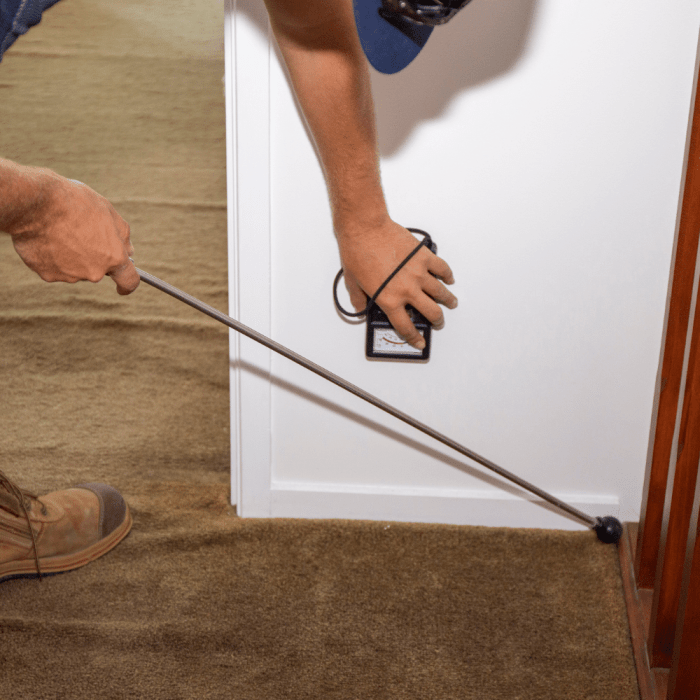
The inspection process is a crucial step in detecting termite infestations. Trained professionals utilize specific techniques and tools to assess the property effectively. The following Artikels the key elements of a thorough termite inspection:
Termite Inspection Process
A systematic approach is essential during a termite inspection, as it allows professionals to identify infestations accurately. Here’s what the inspection entails:
- Exterior Inspection: Inspectors examine the exterior of the home for mud tubes, wood damage, and conducive conditions such as moisture and wood-to-soil contact.
- Interior Inspection: Inside the home, technicians check basements, crawl spaces, attics, and any wooden structures for signs of termite activity.
- Moisture Assessment: Termites thrive in damp environments. Inspectors assess areas prone to moisture, such as plumbing leaks and poor drainage systems.
- Use of Technology: Advanced tools like moisture meters, infrared cameras, and acoustic devices may be utilized to detect hidden termite activity.
- Documentation: After the inspection, a detailed report is provided to the homeowner, outlining findings and recommendations for treatment if necessary.
“Early detection through regular inspections can prevent significant damage caused by termites.”
Termite Treatment Options
Termite infestations can lead to serious structural damage if not addressed promptly. Fortunately, there are various treatment options available to eliminate these pests and protect your property. Understanding the different methods can help you make an informed decision on the best approach for your situation.
Chemical Treatment Methods
Chemical treatments involve the use of specialized pesticides or insecticides designed to target termites effectively. These methods can be highly effective, especially in cases of severe infestation. Common chemical treatment options include:
- Liquid Soil Treatments: These are applied to the soil surrounding the foundation of a building to create a barrier that prevents termites from entering. Products like fipronil and imidacloprid are often used in this method.
- Termiticides: These are directly injected into the wood or soil. Some termiticides also act as a repellent, effectively keeping termites at bay.
- Baiting Systems: Bait stations containing slow-acting insecticides are strategically placed around the property. Termites consume the bait and bring it back to their colony, gradually eliminating it.
Chemical treatments are generally effective for severe infestations, but they require professional application.
Non-Chemical Treatment Methods
Non-chemical treatments are gaining popularity for those looking for environmentally friendly pest control solutions. Some effective non-chemical methods include:
- Heating: Raising the temperature of the infested area to a lethal level for termites (around 120°F) can effectively eliminate them. This method requires specialized equipment to ensure uniform heating.
- Cold Treatment: Involves using freezing techniques to eliminate termites in localized areas. This method is particularly effective for smaller infestations.
- Biological Control: Utilizes nematodes, which are microscopic worms that naturally seek out and kill termites. This method is less harmful to the environment and promotes natural pest control.
Non-chemical methods can be effective for minor infestations but may not provide the same immediate results as chemical treatments.
Effectiveness Based on Infestation Severity
The effectiveness of these treatment methods can vary significantly depending on the severity of the infestation.
- Minor Infestations: Non-chemical treatments may suffice, such as localized heating or the introduction of biological control agents.
- Moderate Infestations: Baiting systems or a combination of chemical and non-chemical methods may be necessary to ensure thorough elimination.
- Severe Infestations: Chemical treatments are often required for immediate results. Liquid soil treatments and direct applications to infested wood are usually the best course of action.
Determining the severity of the infestation is crucial for selecting the most effective treatment.
Professional vs. DIY Treatment Methods
While DIY treatment methods can be appealing to save costs, they often lack the efficacy of professional services. Professionals have access to advanced pest control technologies and a deeper understanding of termite behavior.
- Expertise: Professionals are trained to identify signs of infestation and determine the right treatment approach, reducing the risk of re-infestation.
- Safety: Handling chemical treatments requires proper knowledge and precautions. Professionals ensure safe application while minimizing risks to occupants and pets.
- Long-term Solutions: Professionals often provide warranties and follow-up services, ensuring that the problem is thoroughly addressed and preventing future issues.
In many cases, hiring a professional is a safer and more effective choice, particularly for significant infestations that require a comprehensive approach.
Interior Design and Decorating
When creating a beautiful and functional home, it’s essential to consider not only aesthetics but also durability against potential threats like termite damage. Integrating termite-resistant materials and being mindful of design choices can significantly contribute to a pest-free environment, ensuring that your interior spaces remain safe and stylish.Selecting the right materials and furnishings is crucial for preventing termite damage. Homeowners can enhance the longevity of their investments by prioritizing items that resist termite infestation.
This approach not only protects the structural integrity of the home but also maintains a cohesive and appealing design.
Materials and Furnishings That Resist Termite Damage
Using termite-resistant materials is an effective strategy for safeguarding your interior design. Here are some options to consider:
- Bamboo and Steel: Both materials are incredibly durable and less appealing to termites compared to traditional wood.
- Composite Wood Products: Engineered wood products often involve adhesives and chemicals that make them less attractive to pests.
- Fiberglass and PVC: These synthetic materials are resistant to moisture and do not provide a food source for termites.
- Cedar and Redwood: Naturally resistant to insects, these types of wood can be a great choice for furniture and decor.
Incorporating these materials into your interior design can significantly reduce the risk of termite damage while ensuring your home remains stylish.
Influence of Termite Inspections on Interior Design Choices
Regular termite inspections provide critical insights into potential vulnerabilities within a home. Understanding areas prone to infestation allows homeowners to make informed decisions regarding their design choices. For instance, if certain areas are identified as high-risk, opting for slip-resistant flooring or choosing furniture with minimal wood content can mitigate risks. A well-executed inspection can lead to proactive measures in design elements.
Homeowners may choose to avoid wood-based foundations in high-risk areas and consider alternatives that are more resilient to pests.
Checklist for Homeowners to Ensure Pest-Resistant Interiors
To help maintain a pest-resistant interior, homeowners can utilize the following checklist:
- Regularly schedule termite inspections.
- Opt for furniture made from composite materials.
- Seal any cracks or openings in walls and foundations.
- Use moisture barriers in crawl spaces and basements.
- Store firewood away from the home.
- Regularly check for signs of water damage or leaks.
- Limit the use of untreated wood in high-risk areas.
- Incorporate plants that repel pests into your decor.
Employing these guidelines can enhance the pest resistance of your living spaces, allowing homeowners to enjoy their interiors without the concern of potential termite damage.
Kitchen Improvements
Improving your kitchen not only enhances its aesthetic appeal but also helps protect it from termite infestations. Selecting the right materials and designing the layout thoughtfully can significantly reduce the likelihood of pest damage. Here, we will explore effective kitchen materials against termites, optimal kitchen layouts to minimize risks, and improvements that may necessitate a termite inspection.
Materials Effective Against Termite Damage
When selecting materials for your kitchen, it’s crucial to consider those that can withstand termite activity. Certain options not only enhance durability but also add style to your space. Here are some materials that are resistant to termite damage:
- Steel and Aluminum: These metals are impervious to termites and are often used for cabinets and fixtures, offering a modern look while providing solid protection.
- Concrete: Used in countertops and flooring, concrete is naturally resistant to termites and can be finished in various styles to suit your design preferences.
- Composite Wood Products: Products like MDF and particleboard are often treated with anti-termite chemicals, making them less appealing for termite infestations.
- Natural Stone: Options such as granite and quartz are not only stylish but also resistant to pests, making them ideal for countertops.
Designing a Kitchen Layout to Minimize Pest Infestations
An effective kitchen layout plays a vital role in deterring pests, including termites. It’s important to maintain proper ventilation, minimize moisture, and ensure easy access for regular inspections. Here are some design considerations to keep in mind:
- Elevated Cabinetry: Installing cabinets a few inches off the ground can help prevent moisture accumulation and create a barrier against termites that nest in soil.
- Proper Drainage: Ensure that sinks and dishwashers are installed with adequate drainage to avoid water pooling, which attracts pests.
- Ventilation Systems: Incorporating exhaust fans and windows helps control humidity levels, reducing an inviting environment for termites.
- Sealed Gaps and Cracks: Regularly inspect and seal any openings in walls or flooring to prevent termites from accessing the kitchen area.
Kitchen Improvements Requiring Termite Inspections
Certain kitchen renovations can disturb structures that may attract termites or expose untreated wood. It’s important to ensure proper inspections are carried out before executing these improvements. Here are common enhancements that should be evaluated:
- New Flooring Installation: Replacing flooring with materials that may trap moisture can create an inviting setting for termites, necessitating an inspection beforehand.
- Cabinet Replacement: If replacing old cabinets, check for existing termite damage in underlying structures to prevent a larger infestation.
- Kitchen Extensions: Any structural changes could disturb existing pest barriers, so an inspection is advisable to ensure no infestations are present.
- Countertop Upgrades: Replacing countertops can expose underlying wooden surfaces that may be vulnerable, highlighting the need for prior inspections.
The choice of materials and thoughtful kitchen design can significantly mitigate the risks of termite infestations, ensuring a long-lasting and pest-free environment.
Landscaping Outdoor Decorating
Creating a beautiful outdoor space not only enhances the aesthetic of your home but also plays a crucial role in pest control, particularly in deterring termite activity. Thoughtful landscaping can help create barriers and reduce the risk of termite infestation, ensuring your home remains a sanctuary. When it comes to outdoor decorating, the choices you make can significantly impact your overall pest control strategy.
Effective landscaping can minimize moisture retention and create an environment that is less hospitable for termites. Additionally, incorporating certain materials and plants can help in preventing wood-to-soil contact, which is a primary conduit for termite access.
Guidelines for Landscaping Choices
Select landscaping designs that prioritize termite prevention. Here are some important guidelines to keep in mind:
- Maintain a clear distance between mulch and wooden structures. Use non-wood mulch like gravel or stones to minimize termite attraction.
- Ensure proper drainage in your yard. Standing water can attract pests, including termites, so consider grading your landscape to divert water away from your home.
- Limit the use of wood in landscaping features. Instead, consider using composite materials or metal edging to discourage termites.
- Regularly inspect and maintain your garden to remove any dead or decaying plant material that can attract termites.
- Choose plants that thrive in your region and are known to have low moisture requirements, as overly humid environments can attract termites.
Plants That Deter Termites
Incorporating specific plants in your garden can help create a barrier against termites. Here is a list of plants that are less likely to attract termites:
- Lavender: Known for its strong scent, lavender can repel various pests, including termites.
- Mint: The strong aroma of mint can help deter termites and other insects.
- Rosemary: This hardy herb is not only a great culinary addition but also acts as a natural pest repellent.
- Marigolds: Their bright flowers are known to repel nematodes and other pests, potentially reducing termite attraction.
- Thyme: A drought-resistant herb that not only enhances your cooking but also helps keep pests at bay.
Incorporating these guidelines and plant selections into your landscaping design can significantly impact your home’s pest control strategy. By being mindful of your outdoor environment, you can create a beautiful landscape that also protects your home from unwanted pests like termites.
Home Lighting
Proper lighting in and around your home serves much more than an aesthetic purpose; it plays a pivotal role in identifying and managing pest issues, including termite activity. A well-lit environment helps homeowners easily spot signs of infestation, while thoughtfully designed outdoor lighting can deter these pests from approaching your home. Furthermore, natural light can contribute significantly to a pest-free indoor environment.
Identifying Termite Activity
Effective lighting can be a first line of defense against termite infestations. Termites are attracted to moisture, and their activity often correlates with sections of your home that are poorly lit and damp. When you illuminate these areas, you increase visibility and make it easier to detect signs of termites, such as mud tubes or damaged wood.
“Bright, strategic lighting can help reveal hidden termite activity that might otherwise go unnoticed.”
Regular inspections of your home with proper lighting can enhance your ability to catch any early signs of infestation. Consequently, investing in adequate lighting fixtures can lead to a proactive approach in pest control.
Outdoor Lighting Design Ideas
Outdoor lighting is not just about aesthetics; it can also minimize termite attraction. Here are design ideas that can help reduce the likelihood of attracting termites near your home:
1. Use LED Lights
LED lights emit less heat and are less attractive to insects compared to traditional bulbs. They provide ample illumination without drawing pests.
2. Position Lights Strategically
Place outdoor lighting away from your home’s foundation. This minimizes the attraction of termites to the immediate vicinity of your home.
3. Opt for Yellow or Sodium Lights
These types of lights are known to be less attractive to insects, including termites, and can illuminate your yard without luring pests.
4. Incorporate Motion Sensors
Motion-activated lights can deter pests by creating a dynamic environment that is less hospitable to stagnant insect activity.By implementing these outdoor lighting strategies, homeowners can create a more pest-resistant environment around their properties.
Natural Light and Indoor Environments
Natural light plays a vital role in maintaining a pest-free indoor atmosphere. Sunlight can help reduce humidity levels inside your home, which in turn discourages termite activity. Additionally, bright, sunlit spaces are less appealing to many pests, including termites. To maximize the benefits of natural light indoors:
Utilize Large Windows
Install large windows or glass doors that allow sunlight to flood your rooms. This not only brightens your home but also helps in reducing moisture buildup.
Incorporate Skylights
Skylights are an excellent addition to bring in more light, especially to darker areas of the house. This helps in maintaining a dry environment, which is less attractive to termites.
Regular Maintenance
Ensure that curtains and blinds are opened during the day to allow maximum sunlight exposure. This simple habit can significantly reduce humidity levels indoors.By harnessing the power of natural light, homeowners can create an environment that is both inviting and less hospitable to pests, ensuring a healthier living space.
New Construction
When constructing a new home, taking proactive measures against termite infestations is crucial for long-term protection. By selecting the right materials and building practices, homeowners can significantly reduce the risk of these pests invading their property. This section explores effective strategies for safeguarding new constructions against termites.
Construction Materials for Termite Protection
Choosing the right materials can play a key role in preventing termite damage. Some materials are inherently less appealing to termites or treated to resist infestations. Here are a few examples:
- Concrete: A popular choice for foundations, concrete is not susceptible to termites and serves as a formidable barrier.
- Steel: Utilizing steel framing instead of traditional wood can provide significant protection as termites cannot eat metal.
- Termite-Resistant Wood: Certain wood types, like cedar and redwood, contain natural oils that are repellent to termites.
- Composite Materials: Many composite lumber products are designed to be resistant to termites, making them a solid option for decks and outdoor structures.
- Treated Lumber: Wood that is pressure-treated with chemical preservatives to resist moisture and insect damage can offer additional protection.
Building Practices to Prevent Infestations
Implementing specific building practices during construction can help thwart termite infestations before they start. Here are some effective strategies:
- Proper Drainage: Ensure proper grading around the foundation to direct water away, as moisture attracts termites.
- Vapor Barriers: Install vapor barriers in crawl spaces to reduce moisture levels that may entice termites.
- Seal Cracks and Crevices: Close any openings in the foundation and around utility lines to prevent easy access for termites.
- Regular Maintenance: Regular inspections and maintenance should be scheduled to catch any potential issues early.
- Landscaping Considerations: Keep mulch and vegetation away from the foundation to minimize inviting conditions for termites.
Timeline for Termite Inspections During Construction
Establishing a timeline for termite inspections can ensure that potential issues are addressed promptly during the construction process. Here is a recommended schedule:
- Pre-Construction: Conduct a thorough inspection of the site before beginning construction to identify any existing termite activity.
- Foundation Stage: Inspect the foundation and ensure proper installation of barriers to prevent infestations.
- Framing Inspection: Evaluate framing materials and the installation of any termite-resistant options.
- Before Drywall Installation: Check for any signs of moisture or insect activity before closing up walls.
- Final Inspection: Conduct a comprehensive inspection before the final walkthrough with the homeowner to ensure everything is in order.
Home Painting
Home painting is not just about aesthetics; it can also play a significant role in protecting your home from termite infestations. Certain types of paints can create an environment that deters these pests, making it essential to choose the right products and techniques when painting your living spaces. By understanding the relationship between paint and pest control, homeowners can better safeguard their properties.Certain paint formulations contain insect-repelling properties that can help deter termite activity.
These specialized paints often include additives that create a barrier on wood surfaces, making it less appealing for termites to penetrate. In addition, paints with a lower moisture absorption rate can help prevent the conditions that attract termites, as these pests thrive in damp environments. It’s important to select paint that not only looks good but also provides protective benefits.
Recommended Paint Finishes for Moisture-Prone Areas
When painting areas that are prone to moisture and potential pest problems, it is essential to select the right finishes to enhance durability and protection. The following are recommended paint finishes that are ideal for such environments:
- Exterior Acrylic Paint: Offers excellent resistance to moisture and is highly durable, making it perfect for outdoor surfaces.
- Oil-Based Paint: Known for its water resistance, this finish is suitable for bathrooms and kitchens where humidity is a concern.
- Epoxy Paint: Commonly used in garages and basements, it provides a tough, moisture-resistant surface that is hard for pests to penetrate.
- Mineral-Based Paint: Breathable and water-resistant, this paint is great for areas prone to dampness, such as basements.
Inspecting and treating wood surfaces before painting is a crucial step that should not be overlooked. Any existing termite damage must be addressed before applying paint, as simply covering it up will not protect your home. Treating wood surfaces with insecticides can eliminate any hidden infestations and create a protective barrier against future termite activity. Additionally, ensuring that the wood is dry and free from rot will allow the paint to adhere better and last longer.
“Preventive care through inspection and treatment of wood surfaces is essential to maintaining a termite-free home.”
Patio Deck
Building a patio deck is a wonderful way to enhance your outdoor living space. However, it is essential to consider pest management, particularly termites, which can cause significant damage to wooden structures. Implementing strategic design choices and maintenance practices will minimize the risk of infestations, ensuring your patio deck remains a beautiful and safe extension of your home.When constructing a patio deck, selecting appropriate materials and methods will help reduce the likelihood of pest-related issues.
One critical factor is the choice of wood. Termites are particularly attracted to untreated wood and moisture, making it vital to use materials that are both durable and resistant to decay. By following best practices during installation and regular maintenance, homeowners can protect their decks from potential damage and prolong their lifespan.
Building Tips to Minimize Termite Risk
To create a patio deck that is less susceptible to termite infestations, consider the following strategies that can be integrated during the building process:
- Choose pressure-treated wood or naturally resistant species like cedar or redwood, which have natural oils that deter pests.
- Ensure proper drainage by constructing the deck at least six inches above the ground and sloping it away from the house to prevent moisture accumulation.
- Utilize concrete or composite materials for beams and supports to minimize direct wood contact with the ground.
- Incorporate a vapor barrier beneath the deck to reduce humidity levels and deter termites from establishing a habitat.
Maintenance Practices for Pest Protection
Regular maintenance is crucial in preserving the integrity of your patio deck and preventing pest damage. These practices will enhance durability and deter termites from making your deck their home:
- Conduct periodic inspections for signs of termite activity, like mud tubes or damaged wood, and address any issues immediately.
- Keep the deck clean by removing debris, leaves, and standing water that can attract pests.
- Apply a sealant or wood preservative annually to protect against moisture and decay, which can lure termites.
- Trim back any vegetation that touches the deck to create a barrier that discourages pests from accessing the wood.
Pest-Resistant Materials for Outdoor Decks
Selecting the right materials is key to building a pest-resistant patio deck. Here are some materials that are known for their durability and resistance to termites and other pests:
- Composite decking: Made from a blend of wood fibers and plastic, it is resistant to moisture, decay, and termites.
- Aluminum decking: Lightweight and durable, aluminum is impervious to termite damage and requires minimal maintenance.
- Cedar and redwood: These naturally resistant woods contain oils that can repel termites and withstand outdoor conditions.
- Pressure-treated lumber: Infused with chemicals that deter pests, this lumber is an effective choice for structural components of the deck.
Pest Control
Pest control is a vital aspect of maintaining a healthy and safe home environment. Among various pests, termites present a significant challenge due to their destructive nature. Effective pest management combines various strategies to monitor, prevent, and treat pest infestations, particularly termites. Understanding integrated pest management (IPM) can empower homeowners to take a proactive stance against these wood-destroying insects.Integrated pest management plays a crucial role in termite control by employing a combination of biological, cultural, physical, and chemical tactics.
This holistic approach aims to minimize pest populations while reducing reliance on chemical treatments. It begins with a thorough understanding of the termite life cycle and their behavior, allowing for targeted interventions. By regularly monitoring for signs of termites, such as mud tubes or discarded wings, homeowners can catch infestations early and take appropriate action. The IPM method also emphasizes habitat modifications, such as reducing moisture around the home and improving drainage, which can discourage termite activity.
Seasonal Pest Control Measures
Seasonal changes influence pest behavior and activity, making it essential for homeowners to adjust their pest control measures accordingly. Implementing seasonal strategies can help in early detection and effective management of termite infestations. Here are some key measures to consider throughout the year:
- Spring: As temperatures rise, termites become more active. Conduct thorough inspections of the home’s foundation and wooden structures. Look for signs of mud tubes or swarming activity.
- Summer: Monitor for moisture levels around the property. Regularly check gutters and downspouts to ensure proper drainage to prevent attracting termites.
- Fall: Prepare for the colder months by sealing cracks and openings in the home’s exterior. This reduces entry points for termites seeking warmth and shelter.
- Winter: Although termite activity slows down, it’s an excellent time to schedule professional inspections. Inspect the basement, crawl spaces, and attics for hidden signs of termites.
Pest Control Calendar
Creating a pest control calendar aids homeowners in maintaining a routine for inspections and treatments. A structured timeline encourages proactive management of potential pest issues, including termites. The following pest control calendar Artikels essential tasks throughout the year:
| Month | Action Items |
|---|---|
| January | Schedule professional termite inspection; inspect for moisture accumulation. |
| February | Seal any cracks and gaps in the home’s exterior. |
| March | Begin monitoring for termite activity as temperatures rise. |
| April | Inspect wooden structures and foundations for signs of damage. |
| May | Conduct a thorough check of landscaping and mulch near the house. |
| June | Ensure proper drainage; clear gutters and downspouts. |
| July | Monitor for signs of swarming; conduct interior inspections. |
| August | Review the home’s exterior for new entry points. |
| September | Prepare for fall by sealing openings; inspect attic spaces. |
| October | Schedule a professional inspection to assess potential winter issues. |
| November | Check for signs of moisture and adjust irrigation systems. |
| December | Conduct a final inspection of the year; prepare for the next year’s pest control plan. |
Regular inspections and timely interventions are key to effective termite management.
Home Plumbing
Proper home plumbing plays a crucial role in maintaining the integrity of your property and preventing pest infestations, including termites. Issues related to plumbing can create moist environments, which are ideal for termite activity. Understanding these potential problems and how to manage your plumbing systems can significantly reduce the risk of pest invasion.Identifying plumbing issues early on can prevent conditions that attract termites.
Leaky pipes, clogged drains, and improper drainage systems can all lead to excess moisture. Termites thrive in damp environments, and even a small leak can create a welcoming habitat. Regular maintenance of your plumbing systems is essential to keeping your home dry and pest-free.
Identifying Plumbing Issues
Recognizing common plumbing problems is the first step in safeguarding your home from termites. Some of the most frequent plumbing issues that can lead to termite-friendly conditions include:
Leaky Pipes
Even minor leaks can create damp areas that attract termites. Regularly inspect pipes for any signs of moisture.
Clogged Drains
Stagnant water in drains can lead to increased humidity levels. Ensure that drains are cleaned regularly to facilitate proper water flow.
Poor Drainage Systems
Ensure that gutters and downspouts effectively direct water away from your home’s foundation. Accumulated water around the home can lead to moisture problems.
Maintaining Plumbing Systems
To maintain your plumbing systems and prevent pest infestations, consider the following best practices:
- Schedule regular inspections by a professional plumber to identify and resolve issues before they escalate.
- Insulate pipes to prevent condensation and keep them dry.
- Ensure proper ventilation in high-moisture areas like bathrooms and kitchens.
Plumbing Inspection Checklist for Termite Control
Having a plumbing inspection checklist can help homeowners remain vigilant and proactive against potential termite issues. Here is a practical checklist to consider:
- Inspect all visible pipes for leaks or corrosion.
- Check under sinks and around appliances for signs of water damage.
- Ensure proper drainage away from the home’s foundation.
- Examine the basement and crawl spaces for moisture accumulation.
- Test water pressure to identify potential leaks in the system.
Regular plumbing inspections are essential in preventing conditions conducive to termite infestations.
Home Remodeling
Home remodeling provides a fantastic opportunity to improve aesthetics and functionality within a house. However, it can also reveal hidden issues that may have been lurking beneath the surface, particularly termite damage. When walls are opened, floors are lifted, or ceilings are replaced, homeowners may uncover evidence of termite activity that had gone unnoticed.During the remodeling process, it becomes essential to be vigilant about potential termite infestations.
The following guide Artikels key steps for homeowners to inspect for termites during renovations, ensuring that any hidden damage is detected early on.
Inspecting for Termites During Renovations
Being proactive about termite inspections can save homeowners from costly repairs down the line. The following steps can help in identifying termite damage during remodeling projects:
1. Examine Exposed Wood
When accessing areas such as walls or floors, take the time to inspect exposed wooden structures for any signs of termite damage. Look for:
Hollowed-out wood
Small holes or tunnels on the surface
Frass (termite droppings) that resembles sawdust
2. Check for Moisture Issues
Termites are attracted to moisture, making damp areas a hotspot for infestation. Inspect plumbing systems and areas around sinks and bathtubs for leaks that may create conducive conditions for termites.
3. Look for Mud Tubes
Termites often build mud tubes to travel between their nest and food sources. These tubes can be found in basements or crawl spaces and should be carefully examined during renovations.
4. Evaluate Structural Integrity
While remodeling, assess the overall integrity of wooden beams and support structures. Soft or crumbling areas may indicate extensive termite damage.
5. Consult a Professional
If signs of termite activity are found, engaging a pest control professional is crucial. They can provide a thorough inspection and recommend appropriate treatment options to mitigate the infestation.Pre-remodeling inspections and treatments are vital to ensure that any termite presence is dealt with before work begins. This proactive approach minimizes potential damage and costs associated with renovating a property that is unknowingly infested.
Homeowners should consider scheduling a professional termite inspection prior to commencing any major remodeling projects to protect their investments and ensure safety during the renovation process.
Closing Notes
In conclusion, a proactive approach to termite inspection and treatment can save homeowners from extensive damage and expensive repairs. By staying informed about the signs of infestations and exploring the available treatment options, you can create a pest-resistant home environment. Don’t underestimate the importance of regular inspections and smart design choices—it’s the key to a secure and healthy living space.
FAQ Guide
How often should I have a termite inspection?
It is recommended to have a termite inspection at least once a year, especially if you live in a high-risk area.
Can I treat a termite infestation myself?
While DIY methods exist, professional treatment is often more effective and can ensure complete eradication.
What are the signs of a termite infestation?
Common signs include hollow-sounding wood, discarded wings, mud tubes, and visible damage to wood structures.
Do termites only damage wood?
No, termites can also damage drywall and insulation, as they seek out cellulose materials.
How can I prevent termites in my home?
Maintain proper drainage around your home, eliminate wood-to-soil contact, and regularly inspect for signs of infestations.


